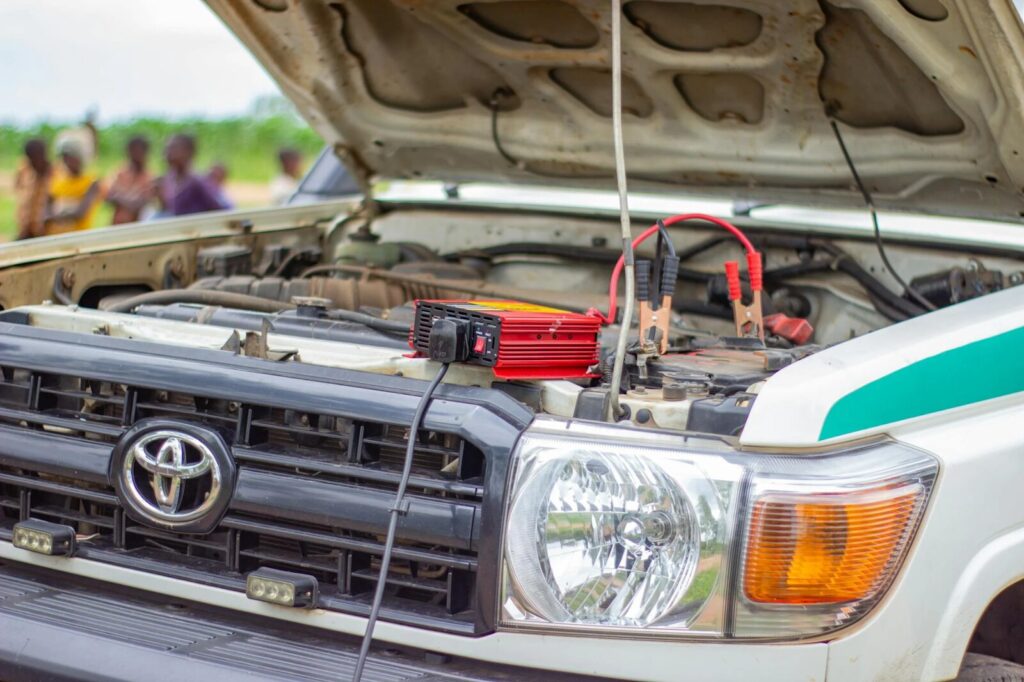




Imagine you’re running late for work. You hop in the car, turn the key—or press the button—and… nothing. Not even a click. Now you’re stranded in your driveway, waiting on roadside assistance or a jump-start. Chances are, this didn’t happen out of nowhere. Most battery failures give warning signs long before they leave you stuck.
At 770 Auto Service, we’ve seen it all—from corroded terminals and low voltage to batteries that were barely holding on for months. The good news? You can prevent those last-minute surprises with a little proactive care.
Let’s talk about car battery health, how to spot trouble before it strikes, and what you can do to keep your vehicle ready to roll.
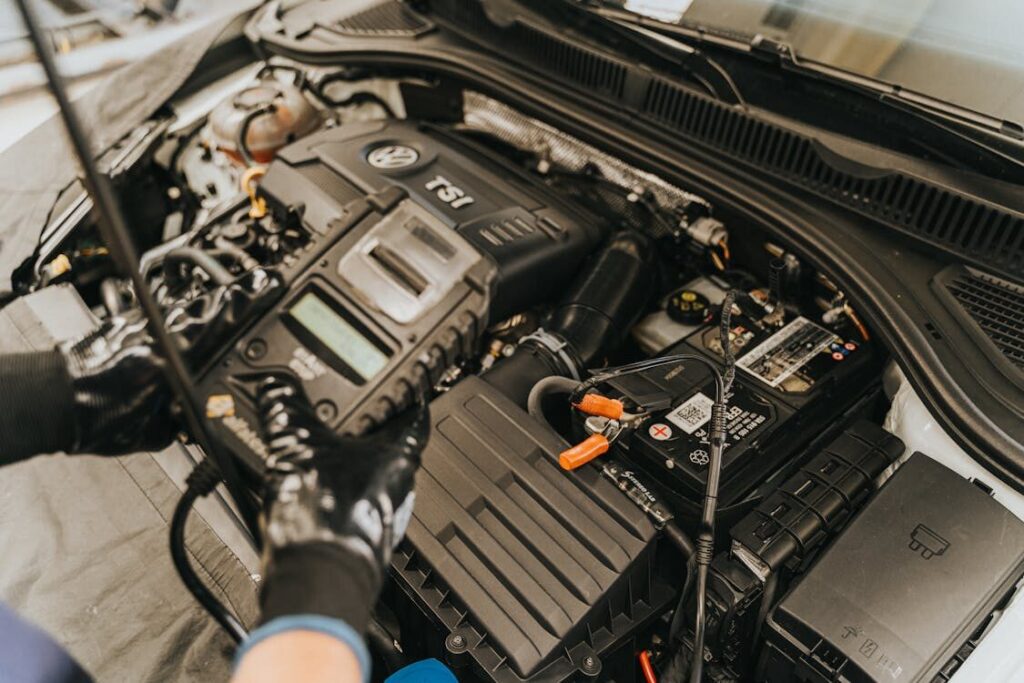
Why Battery Health Matters More Than You Think
Your car’s battery is the silent powerhouse behind everything from starting the engine to running your radio, headlights, and even your phone charger. Without a healthy battery, you’re not going anywhere.
But batteries don’t last forever. On average, they have a lifespan of about 3 to 5 years. That can vary depending on your driving habits, climate, and how often you start and stop the vehicle. Hot summers, freezing winters, and even short trips that don’t allow the battery to fully recharge can shorten its life.
Here’s the catch: many batteries fail without warning. But in most cases, they’ve been showing subtle symptoms—ones that most drivers overlook.
6 Telltale Signs of a Weak Battery
Let’s break down the common signs of a weak battery. Spotting these early could save you from that dreaded click of silence when you need your car most.
- Slow Engine Crank
If your engine sounds sluggish when it turns over, that’s often a red flag. A strong battery should deliver a quick, powerful crank. - Dim Headlights or Interior Lights
Lights that flicker or appear dim, especially when the car is idling, can indicate your battery isn’t holding charge as well as it should. - Dashboard Warning Light
Many vehicles have a battery-shaped warning icon. If it lights up, your battery or alternator might be on the fritz. - Electrical Issues
Power windows lagging? Radio resetting? Climate control not behaving properly? These are signs your battery might not be supplying steady power. - Corroded Battery Terminals
Pop the hood and take a look. White or bluish powder around the battery terminals can interrupt the electrical connection and weaken performance. - Frequent Jump-Starts
If you’ve needed more than one jump-start in the past few months, it’s time to stop ignoring the issue. Batteries aren’t supposed to die that often.
What Is a Battery Voltage Test and Why Should You Get One?
A battery voltage test is a simple but powerful diagnostic tool. It measures the electrical potential of your battery, giving a clear snapshot of its health.
A fully charged battery should read around 12.6 volts or more when the engine is off. If the reading is between 12.2 and 12.5 volts, your battery is moderately charged, and anything below 12 volts means it’s weak and could soon fail.
At 770 Auto Service, our trained technicians can perform a quick voltage test using professional-grade equipment. We’ll also check your charging system to make sure your alternator and voltage regulator are working properly. This gives you the full picture—not just whether the battery is dying, but why.
When Should You Check Your Car Battery Health?
You don’t need to wait until your car won’t start to get your battery checked. In fact, we recommend checking it:
- Before major weather changes – Summer heat and winter cold can cause battery failure.
- Every oil change or routine service – Think of it like checking tire pressure: a simple step that prevents bigger issues.
- After three years of use – That’s when most batteries begin to degrade.
- If you drive infrequently or only take short trips – Your battery may not fully recharge between uses.
Being proactive helps avoid getting stranded—and can also extend your battery’s lifespan.
How to Extend the Life of Your Car Battery
While no battery lasts forever, there are a few things you can do to keep yours healthy longer:
- Drive your car regularly and for at least 20-30 minutes at a time. Short trips don’t give your alternator enough time to recharge the battery fully.
- Turn off lights and accessories when the engine’s off. Even something as simple as a dome light can drain your battery overnight.
- Keep the battery clean and secure. Corrosion can be cleaned with baking soda and water, and loose battery mounts should be tightened to prevent vibrations that wear the battery out faster.
- Avoid extreme temperatures when possible. If your car sits outside all day, consider parking in the shade in the summer or using a battery blanket in winter.
- Get regular checks from your mechanic. A trained eye can often spot early warning signs you’d miss on your own.
What to Do If Your Battery Fails Unexpectedly
Even with regular checks, a battery can surprise you—especially if your alternator or another component starts acting up. If your car won’t start:
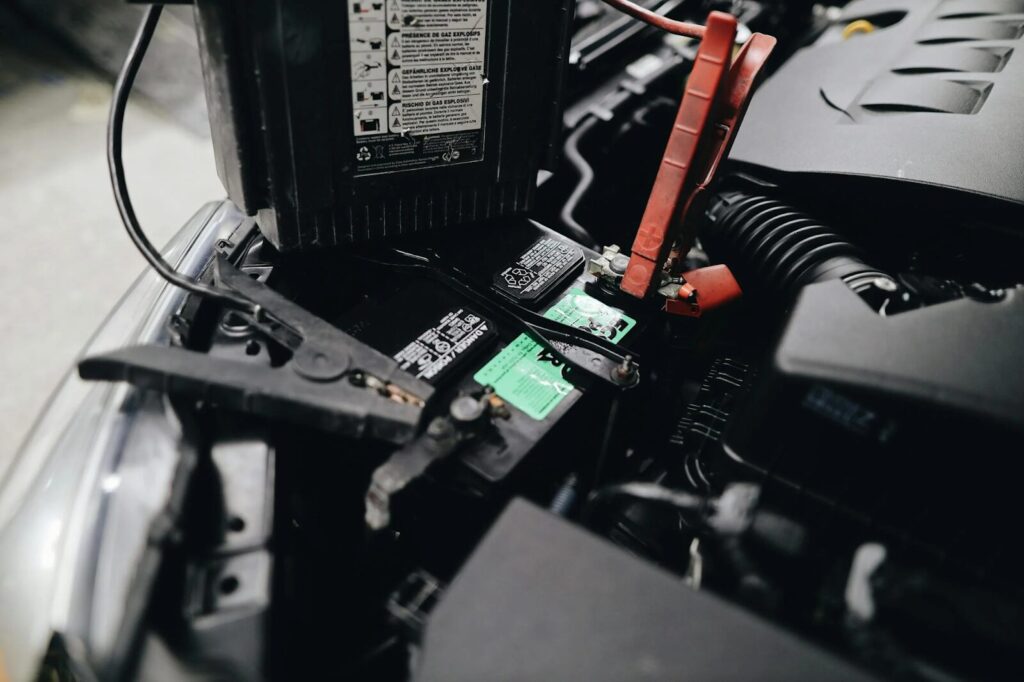
- Try a jump-start using another vehicle or portable jump pack.
- If it works, drive directly to a trusted auto repair shop for a voltage test.
- If it doesn’t work or the car dies again quickly, the issue might go beyond the battery—like a bad alternator, corroded cables, or electrical system fault.
Don’t ignore it. Repeated jump-starts can stress other parts of your electrical system and leave you worse off in the long run.