


Seasonal Car Care: Preparing Your Vehicle for Hot Summers & Cold Winters

As a vehicle owner in Brooklyn, NY, you know that the seasons can be as temperamental as the traffic on the Brooklyn Bridge. With scorching summers and freezing winters, it’s essential to ensure your car is ready for the challenges each season brings. This guide will walk you through the essentials of seasonal car maintenance in Brooklyn, helping you keep your vehicle in top shape no matter the weather. Understanding the Importance of Seasonal Car Maintenance Why Seasonal Maintenance Matters Seasonal car maintenance is crucial for several reasons. It not only extends the life of your vehicle but also ensures your safety on the road. The extreme temperatures of both summer and winter can stress your car’s systems, leading to unexpected breakdowns and costly repairs. Imagine being stuck on the side of the road during a sweltering summer day or a freezing winter night—it’s not just inconvenient, it’s dangerous. Understanding the “why” behind seasonal maintenance can also help you appreciate the investment in time and money. During summer, the intense heat can push your engine to its limits, making the cooling system a vital component of your car’s overall health. Similarly, in winter, the combination of cold air and road salt can lead to corrosion and other issues if not addressed properly. The Risks of Neglecting Seasonal Care Ignoring seasonal maintenance can lead to a host of problems. In summer, overheating can cause engine damage, while in winter, cold temperatures can affect battery performance and tire pressure. Regular maintenance checks help you avoid these issues and keep your car running smoothly year-round. Preventative maintenance is key to avoiding these costly and inconvenient scenarios. By simply scheduling regular check-ups and being mindful of the seasonal demands on your vehicle, you can catch potential issues early and address them before they escalate. Preparing Your Car for Hot Summers Checking Your Cooling System One of the most critical components during the summer is your car’s cooling system. Ensure the radiator is in good condition and the coolant levels are adequate. Consider flushing the system if it’s been a while since your last service. This step helps prevent your engine from overheating during those sweltering Brooklyn days. To prevent future problems, regularly inspect the cooling system hoses for leaks or cracks, and keep an eye on the temperature gauge on your dashboard. If the gauge starts creeping toward the red zone, it’s time to take action. Inspecting the Air Conditioning An efficient air conditioning system is a must for summer driving comfort. Have your A/C system checked for leaks and ensure the refrigerant levels are topped off. If you notice any strange noises or reduced cooling efficiency, it’s time to visit 770 Auto Service for a thorough inspection. Keeping the air filters clean can also enhance the efficiency of your A/C system. Regularly replacing cabin air filters not only improves air quality but also prevents strain on the system. Tire Maintenance for Summer Heat Summer heat can increase tire pressure, leading to blowouts. Regularly check tire pressure and tread depth to ensure optimal performance. Rotate your tires if necessary, and don’t forget to inspect the spare tire as well. Proper tire maintenance can save you from unexpected roadside emergencies. Consider investing in a digital tire pressure gauge for accurate readings. This small investment can help you maintain the correct tire pressure, extending the life of your tires and improving fuel efficiency. Preparing Your Car for Cold Winters Battery Health Check Cold weather can be tough on car batteries. Before winter hits, have your battery tested to ensure it can hold a charge. Clean any corrosion from the terminals and consider replacing the battery if it’s more than three years old. This simple step can prevent frustrating winter morning failures. Regularly starting your car and letting it run for a few minutes can help keep the battery charged, particularly if you don’t drive daily. Antifreeze and Coolant Levels Antifreeze is essential for preventing your engine from freezing in low temperatures. Check the antifreeze levels and top up if necessary. A 50/50 mix of antifreeze and water usually works best for most vehicles in Brooklyn’s winter climate. The cost of a bottle of antifreeze is relatively low, yet it plays a crucial role in engine protection. Regularly inspecting the coolant reservoir and hoses for leaks can prevent unexpected coolant loss, which can lead to overheating or engine damage. Winter Tire Considerations Winter tires provide better traction on icy and snowy roads. If you frequently drive in winter conditions, consider investing in a set of winter tires. Ensure they are properly inflated and have sufficient tread depth to navigate Brooklyn’s winter streets safely. Storing your summer tires properly when not in use can extend their lifespan, ensuring you’re ready for the seasonal switch. Addressing Seasonal Fluid Needs Summer Fluid Checks In summer, engine oil can thin due to high temperatures, reducing its effectiveness. Check your oil levels and consider using a higher viscosity oil if you notice any issues. Additionally, ensure that your windshield washer fluid is full, as summer storms can lead to dirty windshields. Regularly checking and topping off other fluids, such as transmission and power steering fluid, can also prevent premature wear of critical components. Winter Fluid Requirements In winter, switch to a windshield washer fluid with antifreeze properties to prevent it from freezing. Also, check your brake fluid, as it can absorb moisture over time, leading to reduced braking efficiency. Bleeding your brakes and replacing the fluid every two years can help maintain optimal braking performance and prevent moisture-related damage. Inspecting Belts and Hoses Summer Wear and Tear High temperatures can cause belts and hoses to crack and wear out faster. Visually inspect them for any signs of damage and replace them if necessary. This preventive measure can protect your engine from overheating and avoid costly repairs. Regularly checking for leaks or cracks in hoses can prevent coolant loss and potential engine damage. Winter Durability Cold temperatures can make belts and hoses
Electrical System Repair: From Batteries to Wiring Issues

Electrical systems are the unsung heroes of modern vehicles, quietly ensuring that every ride is smooth and safe. However, when these systems falter, it can lead to a range of issues, from a simple malfunction to a complete breakdown. Whether you’re navigating the busy streets of Brooklyn or preparing for a road trip across New York, understanding the basics of electrical repair is crucial. In this guide, we’ll explore everything from diagnosing battery issues to tackling complex wiring problems, all in a friendly and conversational tone. Let’s get started! Understanding Your Car’s Electrical System Before diving into repairs, it’s essential to have a basic understanding of your car’s electrical system. This knowledge can help you identify problems early and communicate effectively with professionals. Components of the Electrical System The electrical system in your vehicle consists of several key components, including the battery, alternator, starter, and wiring. Each plays a vital role in ensuring that your car functions properly. – Battery: The heart of the electrical system, providing the initial power to start your car. For example, imagine trying to start your car on a cold winter morning in Brooklyn only to find it won’t budge because the battery has lost its charge overnight. – Alternator: Keeps the battery charged and powers the electrical systems while the engine runs. Without a functioning alternator, even a new battery will quickly deplete, leaving you stranded. – Starter: Engages the engine to start the vehicle. A faulty starter often results in a frustrating clicking noise when you turn the key. – Wiring: Connects all electrical components, ensuring smooth communication and power distribution. A loose wire can interrupt this communication, causing systems like your headlights or air conditioning to malfunction. Common Signs of Electrical Problems Recognizing the signs of electrical issues can save you time and money. Some common indicators include dim headlights, a dead battery, or malfunctioning accessories like the radio or air conditioning. Imagine driving at night with flickering headlights; not only is it dangerous, but it also suggests a deeper electrical issue that needs attention. Diagnosing Battery Issues The battery is often the first suspect when electrical problems arise. Here’s how you can diagnose and address battery-related issues. Testing the Battery A simple multimeter can help you check your battery’s voltage. A fully charged battery should read around 12.6 volts. If the reading is significantly lower, it may be time for a replacement. For instance, if you’re measuring just 10 volts, your battery is likely on its last legs. Jump-Starting Your Car If your battery is dead, a jump-start can be a temporary solution. Ensure both cars are turned off, connect the jumper cables correctly, and start the functional vehicle first. Once your car starts, let it run for a few minutes to recharge the battery. Picture being stuck in a parking lot with a dead battery and a kind stranger offering to help you jump-start your car—a lifesaver moment that can get you back on the road quickly. Understanding Alternator Problems While batteries get all the attention, alternators are just as crucial. A faulty alternator can mimic many of the symptoms of a bad battery. Symptoms of a Failing Alternator If your car’s electrical systems are acting up, or you notice a burning rubber smell under the hood, your alternator might be the culprit. Other signs include dimming lights when idling and the battery warning light on your dashboard. A friend of mine once ignored these signs and found himself stuck on the side of the road during a night drive. Replacing the Alternator Replacing an alternator can be complex, often requiring professional help. However, for those comfortable with car maintenance, ensure the battery is disconnected before starting, and refer to your car’s manual for guidance. Tackling Wiring Issues Wiring is the nervous system of your vehicle’s electrical setup. Issues here can be tricky to diagnose but are crucial to address. Identifying Wiring Problems Frayed wires, blown fuses, and malfunctioning electrical components are telltale signs of wiring issues. Regularly inspect your wiring for visible damage. A loose wire might cause your car’s infotainment system to shut down unexpectedly, leaving you without navigation or music during a long drive. Fixing Wiring Issues For minor problems like loose connections, you can often make simple repairs yourself. However, complex issues, especially those involving critical systems, should be handled by professionals to ensure safety and reliability. Importance of Regular Electrical Diagnostics Routine checks can prevent sudden failures and extend the life of your car’s electrical system. Benefits of Professional Diagnostics Professional diagnostics can identify issues that might not be apparent during a visual inspection. Experts use specialized tools to pinpoint problems in your electrical system. Regular diagnostics, ideally once a year, can prevent costly repairs down the line. DIY Electrical Checks While professional diagnostics are invaluable, there are basic checks you can perform at home. Regularly test your battery, inspect wiring, and ensure all lights and accessories are functioning correctly. Keeping a simple toolkit in your car can help you handle minor issues on the go. Seasonal Tips for Electrical Maintenance The changing seasons in New York can impact your car’s electrical system. Here’s how to prepare for each season. Preparing for Winter Cold weather is tough on batteries. Ensure your battery is fully charged and consider getting it tested before the winter months. Keep jumper cables handy, and check that your lights and heater are in working order. A heated garage can also help preserve battery life during the harsh winter months. Surviving the Summer Heat High temperatures can cause batteries to fail and wiring to degrade. Make sure your cooling system is functioning, and inspect your wiring for any signs of heat damage. Parking in the shade can help reduce the strain on your car’s electrical systems during summer. When to Seek Professional Help Knowing when to call in the experts is crucial for maintaining your vehicle’s health and safety. Signs It’s Time to Visit 770 Auto Service If you’ve tried troubleshooting
Routine Maintenance: Oil, Filters & Preventive Care Tips

Every car owner knows that keeping a vehicle in top shape requires more than just filling up the gas tank and hitting the road. Routine maintenance is the backbone of a reliable car, and understanding the basics can save you time, money, and stress down the line. Today, we’ll walk you through the essentials of oil changes, filter replacements, and preventive care, all while keeping the conversation friendly and informative. Whether you’re a seasoned driver or a new vehicle owner, there’s something here for everyone. Why Routine Maintenance Matters Prolonging Vehicle Life Regular maintenance is key to extending the life of your vehicle. By staying on top of oil changes and filter replacements, you’re ensuring that your engine runs smoothly and efficiently. Think of it like brushing your teeth; it’s a small daily task that prevents larger problems in the future. For example, a simple oil change can prevent engine sludge, which can eventually lead to the engine’s breakdown. Cost-Effectiveness Preventive care is far more cost-effective than dealing with unexpected breakdowns. By investing a little time and money into routine maintenance, you can avoid costly repairs. This is particularly true for oil changes in Brooklyn, where prices can vary, but the cost of neglecting them can be much higher. Safety on the Road A well-maintained vehicle is a safe vehicle. Regular checks help identify potential issues before they become hazards. Ensuring your car is in good condition reduces the risk of accidents and keeps you and your passengers safe. Imagine driving down the highway when suddenly your brakes fail due to lack of maintenance. Such a situation not only endangers your life but can also be incredibly expensive. The Importance of Oil Changes Understanding Oil’s Role Oil is the lifeblood of your car’s engine. It lubricates the moving parts, reduces friction, and helps regulate temperature. Over time, oil breaks down and becomes contaminated, losing its effectiveness. This is why regular oil changes are essential. Without proper lubrication, the engine parts can wear out quicker, leading to increased fuel consumption and possible engine failure. When to Change Your Oil The frequency of oil changes can depend on several factors, including the type of oil used and driving conditions. Most experts recommend changing your oil every 3,000 to 5,000 miles. If you’re driving in the bustling streets of Brooklyn, frequent stop-and-go traffic may necessitate more frequent changes. To avoid overdoing it, always check your vehicle’s manual for manufacturer recommendations. Choosing the Right Oil Selecting the right oil for your vehicle is crucial. Consult your owner’s manual or a trusted mechanic to determine whether conventional, synthetic, or a blend is best for your car. Each type has its own benefits and drawbacks, so make an informed choice. Synthetic oil, for instance, is more expensive—sometimes double the cost of conventional oil—but it provides better performance and extends the time between oil changes. Filters: The Unsung Heroes Types of Filters Your car relies on several filters to keep it running smoothly. The most common ones are the air filter, oil filter, and fuel filter. Each plays a unique role in ensuring your vehicle operates efficiently. The air filter keeps dust and debris out of the engine, the oil filter removes contaminants from engine oil, and the fuel filter ensures clean fuel reaches the engine. Signs It’s Time for a Filter Change A telltale sign of a clogged air filter is a decrease in gas mileage or engine power. For oil filters, they should generally be replaced with every oil change. Fuel filters can last longer but should be checked regularly, especially if you notice engine misfires or reduced performance. Ignoring these signs can lead to more significant engine issues that cost hundreds of dollars to repair. DIY vs. Professional Service While some filter changes can be done at home with the right tools and a bit of know-how, others might require professional help. For those in Brooklyn, 770 Auto Service offers expert advice and services to ensure your filters are in top shape. Opting for a professional service might cost a bit more upfront, but it can save you money in the long run by preventing improper installations. Seasonal Maintenance Tips Preparing for Winter Winter in New York can be harsh. It’s important to check your antifreeze levels, battery health, and tire tread depth before the first snow falls. Switching to winter tires can also provide better traction on icy roads. Summertime Care Summer brings its own challenges. High temperatures can affect tire pressure and engine performance. Make sure to check your coolant levels and inspect your air conditioning system to avoid breakdowns during road trips. A simple coolant check can prevent overheating, which could lead to costly engine repairs. Spring and Fall Check-Ups These transitional seasons are a great time for a comprehensive check-up. Look for signs of wear and tear, test your brakes, and inspect your vehicle’s alignment. A little attention now can prevent bigger issues later. The Role of Professional Auto Services Finding a Trusted Mechanic Selecting a reliable auto service provider is crucial for effective maintenance. Look for certified mechanics and read reviews. 770 Auto Service in Brooklyn is known for its expertise and customer-focused approach. A trusted mechanic can provide valuable insights into your vehicle’s health that you might overlook. What to Expect During a Service Visit A routine service visit will typically include an oil change, filter replacement, and a comprehensive vehicle inspection. Mechanics will also check fluid levels, tire pressure, and other key components. This thorough inspection can catch issues early, saving you from expensive repairs down the road. Building a Maintenance Schedule Work with your mechanic to create a personalized maintenance schedule. This proactive approach ensures that nothing is overlooked and helps keep your car running smoothly year-round. Scheduling regular check-ups can be likened to regular health check-ups—they keep your vehicle in optimal condition and prevent unforeseen breakdowns. auto-service-repair-maintenance-people-concept-mechanic-with-clipboard-man-owner-looking-broken-car-shop_380164-153234 Common Preventive Care Mistakes Ignoring Warning Signs Pay attention to warning lights and strange noises. Ignoring these
Auto Body Repair: Restoring Your Car After Collision Damage
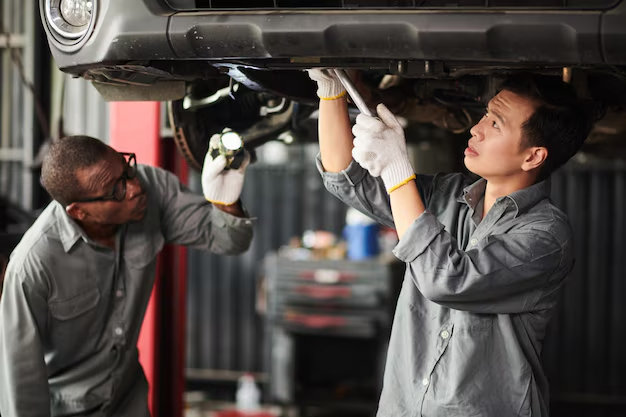
Accidents happen, and when they do, they can leave your beloved car looking worse for wear. Whether it’s a minor fender bender or a more serious collision, the aftermath can be stressful. But fear not! In this guide, we’ll walk you through the process of auto body repair, helping you understand what goes into restoring your car to its former glory. With insights tailored for Brooklyn residents, you’ll learn the steps to take after a collision, when to seek professional help, and why 770 Auto Service is your go-to body shop in Brooklyn. Understanding Collision Damage Before diving into the repair process, it’s essential to understand the types of damage that can occur in a collision. Identifying the extent of the damage will help determine the appropriate repair strategy. Types of Collision Damage – Cosmetic Damage: This includes scratches, dents, and paint damage. While they might seem minor, these issues can affect your car’s aesthetic appeal and resale value. Imagine the frustration of returning to your parked car only to find a new dent or scratch. Addressing these promptly can prevent further damage from rust or peeling paint, which might otherwise escalate into more costly repairs. – Structural Damage: More severe than cosmetic, structural damage can compromise the integrity of your vehicle. This type of damage often requires professional assessment and repair. For instance, if your car’s frame is bent or the alignment is off, it can affect your vehicle’s safety and performance, leading to uneven tire wear or difficulty in steering. Assessing the Damage After a collision, it’s crucial to assess your vehicle’s damage. This can be done visually or with the help of a professional. Look for visible dents and scratches, but also pay attention to how your car drives. Unusual sounds or handling issues might indicate underlying problems. For instance, if your car pulls to one side, it may be a sign of alignment issues or suspension damage. Immediate Steps After a Collision Knowing what to do immediately after an accident can save you time and money in the long run. Here are some essential steps to take: Ensure Safety First and foremost, ensure that everyone involved is safe. If necessary, call emergency services. Once safety is confirmed, move your vehicle to a safe location if possible. Consider a scenario where a fender bender occurs on a busy Brooklyn street. Moving your car to a quieter side street can help prevent further accidents and make it easier to assess the damage safely. Document the Scene Take photographs of the accident scene and any damage to your vehicle. This documentation will be valuable for insurance claims and repair assessments. Clear, detailed photos can help avoid disputes with insurance adjusters and provide a clearer picture of the incident, expediting claims and repairs. Contact Your Insurance Provider Notify your insurance company about the accident as soon as possible. Provide them with all necessary documentation, including photos and police reports if applicable. Prompt communication can help streamline the claims process, ensuring you receive the coverage you need without unnecessary delays. The Auto Body Repair Process Now that you’ve taken the initial steps, it’s time to focus on the repair process. Understanding what goes into auto body repair will help you make informed decisions. Choosing the Right Body Shop Selecting a reliable body shop is crucial for quality repairs. Look for a shop with experienced technicians, good reviews, and proper certifications. In Brooklyn, 770 Auto Service is known for its expertise in collision repair NY. For example, choosing a shop with I-CAR certification can ensure that technicians are up-to-date with the latest repair techniques and safety standards. Estimating Repair Costs Once you’ve chosen a body shop, the technicians will assess your vehicle and provide an estimate. This includes costs for parts, labor, and any additional fees. It’s always a good idea to get multiple estimates to ensure fair pricing. Repair costs can vary significantly; for instance, a simple paintless dent repair might range from $75 to $150 per dent, while extensive structural repairs can run several thousand dollars. Repair Techniques Auto body repair techniques vary depending on the damage. Common methods include: – Paintless Dent Repair: Ideal for minor dents, this technique restores your car’s appearance without affecting the original paint. This method is not only cost-effective but also faster, often allowing you to get your car back the same day. – Panel Replacement: For severe damage, replacing entire panels might be necessary to maintain structural integrity. Replacing panels ensures that the car’s safety features function correctly, especially in vehicles with crumple zones designed to absorb impact. – Paint Matching: To ensure a seamless look, technicians will match the new paint with your car’s original color. Advanced computer systems help achieve a perfect match, so the repair is virtually undetectable, preserving your car’s appearance and value. The Role of Technology in Auto Body Repair Advancements in technology have transformed the auto body repair industry, making repairs more efficient and precise. Computerized Estimating Systems These systems provide accurate damage assessments and cost estimates, ensuring transparency and consistency. They consider labor times, parts prices, and the complexity of repairs, allowing for a detailed and reliable estimate. Laser Frame Alignment For vehicles with structural damage, laser technology ensures frames are realigned to factory specifications, ensuring safety and performance. Accurate alignment is crucial for your car to handle correctly and prevent uneven tire wear, which could lead to further issues down the road. Advanced Paint Systems Modern paint systems use computer technology to match colors perfectly, ensuring repairs are undetectable. High-quality paints not only improve aesthetics but also provide protection against environmental factors, such as UV rays and harsh weather, which can damage your car’s finish over time. Seasonal Considerations in Auto Body Repair Brooklyn’s climate can impact your vehicle and its repair needs. Understanding how each season affects your car can help you maintain its condition year-round. Winter Challenges Cold weather can exacerbate existing damage, making timely repairs essential. It’s also a good idea
Suspension Repair: Why Ride Comfort & Safety Depend On It
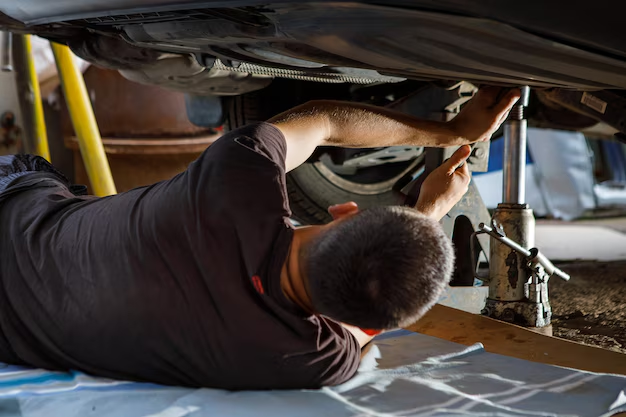
When most drivers think about car maintenance, their minds usually jump straight to oil changes, brakes, or maybe even tire rotations. But there’s one critical system that often gets overlooked: your suspension. The suspension system is the unsung hero of your vehicle, working behind the scenes to keep your ride smooth, your handling sharp, and your passengers safe. Without proper care, even the most reliable car can quickly turn into a safety hazard. If you’ve been noticing more bumps in your daily drive, uneven tire wear, or a steering wheel that doesn’t feel as responsive as it used to, it may be time to pay attention to your suspension. Let’s break down why suspension repair is so important, what signs to look out for, and how keeping up with suspension service in Brooklyn or anywhere across NY can save you money and protect your safety. What Your Suspension System Actually Does At its core, your suspension system connects your car to the road. It includes shocks, struts, springs, ball joints, tie rods, and control arms, all working together to provide three key benefits: Comfort – Absorbing bumps, potholes, and rough roads so your ride feels smooth instead of jarring. Control – Ensuring your tires stay in contact with the pavement for precise steering and handling. Safety – Helping your vehicle stay stable during braking, cornering, and emergency maneuvers. Without a healthy suspension, your vehicle won’t just feel uncomfortable. It can also compromise your ability to steer, brake, and stay in control when it matters most. The Warning Signs You Need Suspension Repair Your suspension is designed to last, but it doesn’t last forever. Constant road wear, potholes, and even carrying heavy loads can wear it down. Here are some red flags every driver should know: Excessive Bouncing – If your car keeps bouncing after hitting a bump, your shocks or struts may be worn. Nose Diving When Braking – Does the front of your vehicle dip forward when you stop? This is a common sign of suspension trouble. Uneven Tire Wear – Tires should wear evenly. If not, it may point to suspension or alignment problems. Steering Difficulties – A stiff, shaky, or drifting steering wheel often means your suspension or steering components need attention. Clunking or Knocking Noises – Strange sounds over bumps can indicate failing ball joints, bushings, or strut mounts. Ignoring these signs won’t just make your ride less enjoyable. It can also put you and others at risk. Why Suspension Repair Matters for Safety Think of your suspension as the foundation of your car’s performance. When it’s compromised, every other system struggles too. Here’s why timely suspension repair in Brooklyn is so critical: Better Braking – A good suspension distributes braking force evenly. If it’s worn, your stopping distance increases, which can be dangerous in traffic. Improved Stability – A failing suspension can cause swaying or drifting, especially during sharp turns or on windy roads. Tire Longevity – Bad suspension wears out tires faster, leading to more frequent and costly replacements. Accident Prevention – By keeping your car planted firmly on the road, suspension systems help you avoid losing control in emergencies. In short, suspension repair is not just about comfort—it’s about safety. Common Suspension Repairs You May Need At 770 Auto Service, we’ve seen just about every suspension problem there is. Here are the most common repairs and services that keep Brooklyn drivers safe: Shock & Strut Replacement – Restores smooth handling and ride comfort. Ball Joint & Control Arm Service – Ensures your wheels move correctly and steering stays precise. Tie Rod Replacement – Keeps your steering system connected and responsive. Spring Replacement – Maintains proper ride height and load support. Steering & Suspension Alignment – Corrects wheel angles to prevent uneven tire wear and poor handling. Whether you need one of these services or a full suspension overhaul, getting it done early prevents more costly repairs down the road. How Suspension Repair Saves You Money It might be tempting to ignore those clunks and rattles, but neglecting suspension issues can end up costing far more in the long run. Here’s how timely service pays off: Fewer Tire Replacements – Fixing suspension issues before they ruin your tires can save hundreds of dollars. Lower Fuel Costs – A well-maintained suspension reduces drag and rolling resistance, improving fuel efficiency. Preventing Secondary Damage – Suspension problems can damage brakes, steering, and even your frame if left unchecked. Peace of Mind – Knowing your car is safe to drive is priceless. Investing in suspension service NY drivers can rely on is not just smart—it’s economical. The Connection Between Suspension & Steering When people think of suspension, they often forget about steering. But the two systems are closely linked. If your suspension is in poor shape, your steering responsiveness will suffer. That’s why at 770 Auto Service, we don’t just focus on fixing one piece of the puzzle. We check the entire steering and suspension system to ensure everything works together as it should. That way, you leave with a car that feels solid, safe, and easy to handle. auto-mature-mechanic-repairman-uniform-using-wrench-working-with-auto-suspension-repair-garage-change-spare-part-check-mileage-car-checking-maintenance-service-concept_88340-6330 (1) Why Brooklyn Drivers Trust 770 Auto Service Finding reliable suspension repair in Brooklyn can feel overwhelming, but that’s where 770 Auto Service stands apart. As a family-owned and operated shop, we’ve built our reputation on honesty, quality, and dependable service. Our ASE-certified technicians use advanced diagnostic tools to pinpoint problems quickly, saving you time and money. We also believe in transparency—no hidden fees, no unnecessary repairs, just straightforward service you can trust. Plus, with our 6-month labor warranty and manufacturer warranties on most parts, you can drive away with confidence knowing your repairs are protected. And don’t forget our seasonal offers that make routine maintenance more affordable: Spring Maintenance Package for just $99 Road Trip Ready Package for $129 Tune-Up Package for $199 Pre-Purchase Inspections for only $79 These specials are designed to keep your vehicle safe and reliable year-round, without breaking the bank. Keep Your
Brake Noise & Vibration: What It Says & When to Act
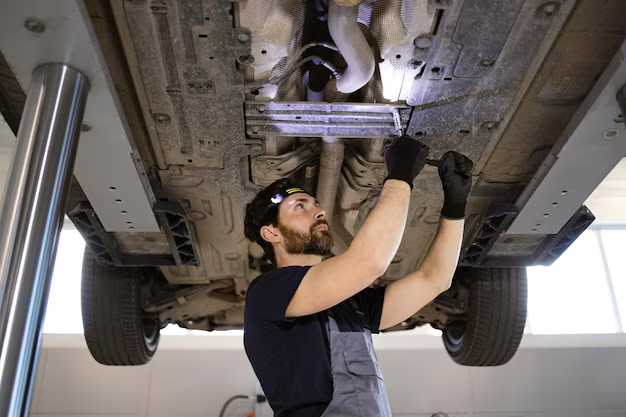
Your brakes are one of the most important safety systems on your car. They’re what stand between you and potential danger on the road. While most drivers know that squeaky or grinding brakes signal a problem, many shrug off those sounds until they become unavoidable. Others might notice a vibration in the steering wheel or brake pedal but continue driving, hoping it will go away. Unfortunately, ignoring brake noise and vibration can compromise your safety and lead to costly repairs. At 770 Auto Service in Brooklyn, we often hear the same question from customers: What does that noise or vibration mean, and when should I act? Let’s break it down so you know exactly what your car is trying to tell you. Common Types of Brake Noise Brake noise is one of the first warning signs drivers notice. Each sound points to a different possible issue. 1. Squeaking or Squealing A high-pitched squeal often means your brake pads are worn down. Most pads are designed with a wear indicator, a small metal tab that makes a squeaking noise when the pad material has thinned out. This sound is your cue to schedule a brake inspection in Brooklyn before the pads wear away completely and damage your rotors. 2. Grinding If you hear grinding when you press the brake pedal, you’re likely dealing with pads that have worn down past their safe limit. Metal is now pressing against metal, which not only makes braking less effective but also damages your rotors. At this stage, you’ll need both new pads and likely rotor resurfacing or replacement. 3. Clicking or Rattling Loose hardware can cause a rattling or clicking sound when braking. This may happen if clips, shims, or other small components have worn out or fallen off. While this issue is usually less urgent than grinding, it still compromises brake performance and should be addressed quickly. 4. Thumping or Knocking A thump or knock during braking can point to issues with warped rotors, uneven pad wear, or even suspension components. If you’re also feeling vibration along with the noise, your rotors are a likely culprit. Brake Vibration: What It Means In addition to noise, brake vibration is another red flag. Here’s what it might mean: Steering Wheel Shaking: If you feel your steering wheel vibrate when braking, especially at higher speeds, it’s often due to warped front rotors. The uneven rotor surface causes the brake pads to grab inconsistently, leading to a shaky steering feel. This is a common issue we fix with a rotor vibration repair or rotor replacement. Brake Pedal Pulsing: A pulsing sensation in the brake pedal usually indicates uneven rotor thickness or damage. In some cases, contaminated brake pads can also cause this. Car Vibrates While Braking: If the whole vehicle shudders when you press the brakes, it may be a sign of rear rotor or drum issues, loose suspension components, or even misaligned tires. A professional inspection is the only way to pinpoint the exact cause. Why Ignoring Brake Noise or Vibration Is Risky Many drivers put off brake repairs to save time or money, but this approach often backfires. Here’s why: Longer Stopping Distance: Worn pads and warped rotors reduce braking efficiency, meaning your car takes longer to stop. In an emergency, those extra seconds matter. Damage Spreads Quickly: Pads that wear into rotors or rotors that vibrate excessively can damage calipers and suspension parts. A small, affordable fix can quickly snowball into a major repair bill. Reduced Comfort and Control: A vibrating steering wheel or noisy brakes make driving unpleasant. More importantly, it reduces your confidence in your car’s ability to stop safely. Safety Risk: Ultimately, ignoring brake problems puts you and others on the road at risk. Brakes are your last line of defense in preventing accidents. When to Act The rule of thumb is simple: if your brakes sound or feel different than usual, don’t wait. Book a brake inspection in Brooklyn as soon as possible. Even if the issue turns out to be minor, you’ll have peace of mind knowing your car is safe. Some specific times to schedule service include: You hear squeaking, grinding, or rattling consistently. Your steering wheel or brake pedal vibrates when braking. The brake warning light comes on. You notice your car pulling to one side while braking. The brake pedal feels soft or sinks lower than usual. Catching these issues early can save you money and keep your vehicle safe. How a Professional Shop Fixes Brake Noise & Vibration At 770 Auto Service, we use advanced diagnostic tools to pinpoint the exact cause of brake issues. Here’s how we typically address common problems: Worn Brake Pads: We replace them with high-quality pads matched to your vehicle for quiet, effective braking. Warped Rotors: Depending on the severity, we resurface the rotors or replace them completely to eliminate vibration. Loose Hardware: We inspect and replace any worn clips, pins, or shims to restore proper function. Brake Fluid Issues: Contaminated or old brake fluid can also affect braking performance. We flush and refill with fresh fluid when needed. Suspension or Tire Factors: If vibration isn’t brake-related, we check tires, alignment, and suspension for contributing issues. By taking a comprehensive approach, we ensure your car leaves the shop safe, smooth, and ready for the road. Preventing Brake Noise & Vibration While some brake wear is inevitable, you can extend the life of your system and avoid many problems with proper care. Schedule Regular Brake Inspections: This is the easiest way to catch problems early. Our seasonal maintenance package includes a full brake inspection along with oil change, tire rotation, and fluid top-up for just $99. Avoid Hard Braking: Frequent sudden stops generate excessive heat, which can warp rotors and wear pads faster. Keep Tires in Good Shape: Unbalanced or worn tires add stress to your brake system. Rotating them regularly helps maintain even wear. Flush Brake Fluid as Recommended: Old brake fluid absorbs moisture, which can corrode parts and
Clutch Replacement Cost: What’s the Real Price?

If your vehicle has a manual transmission, the clutch is one of the hardest-working components in your car. Every time you shift gears, it engages and disengages, transferring power from your engine to the wheels. Like brake pads or tires, clutches wear down over time, and when they do, they must be replaced to keep your car running smoothly. But here’s the question on every driver’s mind: how much does a clutch replacement actually cost? The truth is that the price varies widely depending on the type of vehicle you drive, the quality of replacement parts, and the labor involved. Let’s break down the real costs, so you know exactly what to expect when it’s time for a new clutch. Why Clutch Replacement Costs So Much Many drivers are surprised when they hear the total price for clutch replacement. Unlike a quick brake pad swap, replacing a clutch is a labor-intensive job. Mechanics must remove major components, often including the transmission, just to access the clutch assembly. This means that even though the clutch itself isn’t the most expensive car part, the time and expertise required for replacement drive up the cost. There are two main factors that determine how much you’ll pay: clutch parts pricing and clutch replacement labor cost. Clutch Parts Pricing The clutch system includes several components that may need replacing together to ensure long-term reliability. Here’s a breakdown of what you might expect: Clutch Disc – This is the friction plate that wears down over time, similar to brake pads. A new disc alone typically ranges from $100 to $400 depending on the vehicle. Pressure Plate – Works with the disc to engage and disengage the clutch. Often sold in a kit with the clutch disc, adding another $150 to $300. Throw-Out Bearing (Release Bearing) – Ensures smooth engagement and disengagement. Usually costs around $30 to $100 but is essential to replace when doing the job. Flywheel – Not always required, but if it’s worn or damaged, resurfacing or replacing it could add $200 to $600. Clutch Kit (Complete Set) – Many shops recommend replacing the full kit, which typically includes the clutch disc, pressure plate, and throw-out bearing. Average kits range from $300 to $900, depending on the brand and vehicle type. The total for clutch parts alone can range anywhere from $300 on the low end to $1,500 or more for performance or specialty vehicles. Clutch Replacement Labor Cost Labor is the biggest expense in most clutch replacements. On average, mechanics spend anywhere from 4 to 10 hours completing the job. Some compact cars are simpler to work on, while trucks, SUVs, or European models often require more time and precision. Hourly labor rate: $75 to $150 depending on location and shop expertise Total labor cost: $400 to $1,200 on average Combine this with the cost of parts, and the overall average clutch cost often lands between $700 and $2,500. What Impacts the Total Cost? Every car is different, so it’s important to understand the key factors that can push your clutch replacement cost higher or lower. Vehicle Make and Model A small compact sedan often has a simpler clutch system than a heavy-duty truck or a luxury European vehicle. Parts availability and design complexity heavily influence cost. OEM vs. Aftermarket Parts OEM (original equipment manufacturer) parts are usually more expensive but offer factory-level quality and reliability. Aftermarket options can save money and still deliver solid performance. Many shops, including 770 Auto Service, offer both choices so you can select what works best for your budget. Additional Repairs Sometimes, clutch issues reveal other problems, like a worn flywheel, leaking rear main seal, or transmission issues. Addressing these while the transmission is out can save money in the long run, but it will raise the upfront bill. Driving Habits Aggressive driving, riding the clutch, or frequent stop-and-go traffic can wear out a clutch faster. A driver who is easy on their clutch may go 100,000 miles before replacement, while others may need one at 50,000. Signs You Need a Clutch Replacement Knowing when your clutch is failing can help you plan for the repair instead of being caught off guard. Watch for these common warning signs: Difficulty shifting gears – Grinding, resistance, or hesitation when changing gears. Slipping clutch – Engine revs climb but the car doesn’t accelerate as it should. Burning smell – A sharp, acrid odor, often noticeable in stop-and-go traffic. Unusual noises – Rattling or squeaking when pressing the clutch pedal. High clutch pedal engagement point – If the pedal needs to be released almost fully before the car moves, your clutch may be worn. If you experience one or more of these symptoms, it’s time to have your clutch inspected by a certified mechanic. Is It Worth Replacing the Clutch? Some drivers wonder if replacing a clutch is worth it, especially on older vehicles. The answer depends on the condition of your car overall. If the rest of the vehicle is in good shape, replacing the clutch can give it many more years of reliable use. On the other hand, if your car is near the end of its lifespan, you’ll want to weigh the cost against its value. A trusted mechanic can help you evaluate whether clutch replacement is the best investment for your situation. How to Save on Clutch Replacement While you can’t avoid labor costs entirely, there are ways to keep expenses under control: Choose the right shop – Not all repair shops charge the same rates. A family-owned shop like 770 Auto Service often provides more affordable and honest pricing than dealerships. Ask about part options – OEM vs. aftermarket, remanufactured vs. new. A good shop will give you choices that fit your budget. Fix related issues together – If your flywheel or seals also need replacement, doing it during the clutch job can save hundreds later. Maintain good driving habits – Avoid riding the clutch pedal, shift smoothly, and don’t overload your vehicle to extend
Car Service Checklist: What to Include in Every Visit
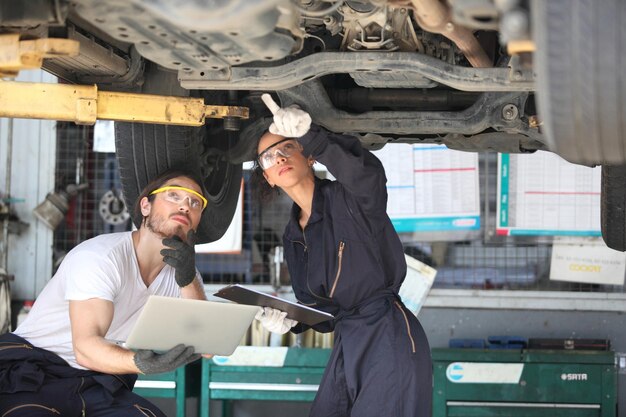
When was the last time you had your car serviced? For many drivers, it’s easy to put off routine maintenance until something goes wrong. But the truth is, your vehicle relies on consistent care to stay safe, reliable, and efficient. Skipping a service appointment may not seem like a big deal, but over time, it can lead to bigger problems, higher repair bills, and even breakdowns at the worst possible moment. That’s where a solid car service checklist comes in. By knowing what should be inspected and maintained during every visit, you can protect your investment, extend the life of your vehicle, and drive with peace of mind. Whether you’re preparing a vehicle inspection list for your own reference or wondering what your mechanic should be checking, having a clear picture of essential maintenance items is key. Let’s walk through the most important areas every car service should include. 1. Oil and Filter Change Oil is the lifeblood of your engine. It keeps moving parts lubricated, reduces friction, and helps regulate engine temperature. Over time, oil breaks down and collects dirt, making it less effective. That’s why oil changes are one of the most critical items on any routine car service list. Most vehicles need an oil change every 3,000 to 7,500 miles, depending on the type of oil you use and your driving habits. Along with fresh oil, the filter should always be replaced to ensure no contaminants sneak back into the engine. Neglecting this simple step can lead to costly engine damage. 2. Brake System Inspection Your brakes are one of the most important safety systems on your car. During every visit, a technician should check brake pads, rotors, fluid levels, and lines. Worn pads or low fluid can reduce braking performance and put you at risk on the road. Brake wear can vary depending on how and where you drive. City driving with lots of stop-and-go traffic tends to wear pads faster than highway cruising. If you ever hear squeaking, grinding, or notice longer stopping distances, don’t wait until your next scheduled service—have your brakes inspected right away. 3. Tire Condition and Pressure Your tires are the only part of your car that touches the road, so keeping them in top condition is essential. A proper car service checklist should always include: Checking tire tread depth Looking for cracks, bulges, or uneven wear Testing and adjusting air pressure Rotating tires as needed Underinflated tires reduce fuel efficiency and make handling less predictable. Overinflated tires can wear unevenly and increase the risk of a blowout. Regular inspections not only improve safety but also help your tires last longer. 4. Fluid Levels and Quality Your vehicle relies on several different fluids beyond just engine oil. Each plays a crucial role in keeping components cool, lubricated, and functioning properly. A complete vehicle inspection list should include checks for: Transmission fluid Coolant/antifreeze Power steering fluid Brake fluid Windshield washer fluid Low or dirty fluids can lead to major mechanical issues. For example, neglecting coolant levels can cause overheating, while old transmission fluid can lead to costly transmission repairs. 5. Battery Health Modern vehicles use more electronics than ever before, and your battery powers all of it—from starting the engine to running the air conditioning and infotainment system. A weak battery might not give much warning before it fails, leaving you stranded. Technicians should check the battery’s voltage, inspect terminals for corrosion, and ensure it’s securely mounted. Replacing a battery before it completely dies is always cheaper and more convenient than calling a tow truck. 6. Belts and Hoses Belts and hoses may not be the flashiest parts of your car, but they’re critical for smooth operation. The serpentine belt, for example, powers multiple systems like your alternator and air conditioning. Hoses carry vital fluids throughout the vehicle. Over time, these parts can crack, fray, or loosen. A visual inspection during every service helps catch problems before they cause a breakdown. Replacing a worn belt or hose is a simple fix compared to the damage that could occur if one fails while driving. 7. Suspension and Steering Components If you’ve noticed your ride feels bumpier than usual or your steering seems less responsive, your suspension system might need attention. This includes shocks, struts, ball joints, and tie rods—all of which affect handling, stability, and tire wear. A thorough routine car service should include checking for leaks, excessive play, and worn-out components. Keeping these parts in good condition not only improves comfort but also keeps your vehicle safe on the road. 8. Air Filters There are typically two filters you’ll want to keep an eye on: the engine air filter and the cabin air filter. The engine air filter prevents dirt and debris from entering your engine, helping it run more efficiently. The cabin air filter keeps dust, pollen, and pollutants from entering your car’s interior through the HVAC system. Clogged filters can affect performance and air quality. Replacing them regularly ensures a cleaner ride for both your engine and your lungs. 9. Lights and Wipers Visibility is everything when it comes to safe driving. During a service, a mechanic should check that all exterior lights are functioning, including headlights, brake lights, turn signals, and hazard lights. Wiper blades should also be inspected and replaced if they’re streaking, skipping, or cracking. Good wipers paired with a full windshield washer reservoir help keep your view clear in bad weather. 10. Exhaust System Check Your exhaust system isn’t just about reducing noise—it also keeps harmful fumes out of your cabin and helps your engine run efficiently. A technician should check for leaks, rust, and damage during every service. Unusual smells, loud noises, or decreased fuel economy can all be signs of exhaust system problems. Catching these early saves money and keeps your vehicle running safely. 11. Comprehensive Diagnostic Scan With today’s vehicles relying heavily on computers and sensors, a diagnostic scan is an important part of any thorough inspection. Even if your check engine
Car Repair & Maintenance Made Easy: Pro Tips to Keep Your Ride in Top Shape

Owning a car brings freedom, convenience, and the open road right to your doorstep—but it also brings responsibility. From surprise dashboard lights to weird noises under the hood, your vehicle can throw plenty of curveballs your way. But here’s the good news: car repair basics and preventive car care don’t have to be complicated or intimidating. With a clear vehicle maintenance checklist and a few pro tips, you can extend your car’s life, avoid expensive breakdowns, and enjoy a smoother ride every time you hit the road. Why Preventive Car Care Matters Think of your vehicle like your own body. Skip routine check-ups or ignore small aches and pains, and you’re setting yourself up for bigger, costlier problems later. The same principle applies to your car. A simple oil change today can prevent catastrophic engine damage tomorrow. Rotating your tires now can help you avoid a blowout on the highway later. Staying ahead with preventive car care means you’re in control, not at the mercy of surprise repairs. Plus, the long-term savings are huge. Well-maintained cars run more efficiently, burn less fuel, and hold their value longer. And let’s be honest—there’s peace of mind in knowing your brakes will stop when you need them to. Start With a Solid Vehicle Maintenance Checklist If you’re new to car care, don’t worry. Every driver should have a basic vehicle maintenance checklist. Here’s a practical starting point: 1. Check and Change Your Oil Engine oil is the lifeblood of your car. It keeps all the moving parts lubricated and prevents overheating. Follow your owner’s manual, but generally, an oil change every 3,000 to 5,000 miles keeps things running smoothly. Our seasonal maintenance package at 770 Auto Service includes a high-quality oil change, so you never have to guess when it’s time. 2. Rotate and Inspect Your Tires Your tires connect your car to the road, so they need to be in top shape. Rotate them every 5,000 to 7,500 miles to help them wear evenly. Check for tread depth and make sure there are no visible cracks or bulges. Underinflated or worn-out tires reduce fuel efficiency and can put you at risk during bad weather. 3. Inspect Your Brakes Brakes are your first line of defense on the road. Squealing, grinding, or reduced stopping power are signs you need a professional inspection. Don’t wait—our brake replacement offer gives you 10% off, making it easier to prioritize safety. 4. Keep an Eye on Fluids Your car needs more than oil. Brake fluid, transmission fluid, coolant, power steering fluid, and windshield washer fluid all play vital roles. Low or dirty fluids can cause major damage. During our seasonal maintenance, we top up and check all essential fluids, so you don’t have to. 5. Pay Attention to Your Battery Batteries tend to die when you least expect it—usually on the coldest or hottest days of the year. Look for corrosion around the terminals and make sure your battery is securely mounted. If it’s over three years old, have it tested to avoid that dreaded click when you turn the key. 6. Watch Your Belts and Hoses Cracked or worn belts can snap without warning, leaving you stranded. Inspect for signs of wear like cracks, fraying, or glazing. The same goes for hoses—look for leaks, bulges, or soft spots. 7. Don’t Ignore the Check Engine Light Many drivers hope that little orange light will magically turn off. It won’t. The check engine light is your car’s way of saying, “Help me!” It could be something minor, like a loose gas cap, or a sign of a serious problem. Our advanced diagnostics can pinpoint the issue quickly and accurately. How to Maintain a Car Between Visits Beyond your standard vehicle maintenance checklist, good driving habits go a long way toward keeping your ride in peak condition. Drive Smoothly Rapid acceleration and hard braking wear out your brakes, transmission, and tires faster. Smooth, steady driving reduces stress on your car’s major systems and saves fuel. Keep It Clean Salt, dirt, and debris can eat away at your car’s paint and undercarriage. Wash your car regularly, especially during winter months. A clean car not only looks better—it lasts longer. Park Smart Whenever possible, park in a garage or shaded area to protect your paint and interior from sun damage. If you must park outside, consider using a sunshade to protect your dashboard and seats. Stay Alert for Unusual Sounds or Smells Your car often tells you when something’s wrong—if you’re listening. Grinding, knocking, or squealing noises aren’t normal. Neither are strange smells like burning rubber or sweet antifreeze. If you notice anything unusual, have it checked out sooner rather than later. Make Seasonal Maintenance a Habit Every season brings its own set of challenges for your vehicle. Hot summers strain your AC and battery, while winter conditions can batter your tires and suspension. That’s why we offer a Spring Sale Seasonal Maintenance Package at 770 Auto Service. For just $99, you get an oil change, tire rotation, brakes inspection, leak detection, and fluids top-up. It’s an easy, affordable way to keep your car ready for the road ahead. And don’t forget your AC—nobody wants to melt in summer traffic. Take advantage of our free AC diagnostic and keep your ride cool when the temperatures climb. Why Trust 770 Auto Service? Your car is too important to trust to just anyone. At 770 Auto Service, we believe that good service starts with honest communication. No hidden fees. No unnecessary repairs. Just high-quality work done by skilled, certified technicians who treat your car like it’s their own. Our family-owned shop in Brooklyn has built its reputation on transparency and reliability. We use advanced diagnostics to get to the root of the problem quickly, so you’re not stuck playing guessing games—or paying for things you don’t need. We stand by our work, too. Every repair comes with a 6-month warranty because we believe trust is earned, mile after mile. When to Call
The Ultimate Guide to Car Repair: Everything You Need to Know

Owning a car comes with a lot of freedom—and a lot of responsibility. Whether you drive an old, reliable, or a fresh-off-the-lot model, sooner or later, every car owner faces the same reality: things wear out, lights come on, and repairs pop up when you least expect them. That’s why understanding the basics of car repair is so important. In this ultimate guide, you’ll learn essential auto repair tips, how to spot common car problems, when to tackle DIY car repairs yourself, and when to trust the pros. Let’s dive in so you can keep your ride running smoothly and avoid headaches down the road. Why Knowing Basic Car Repair Matters Imagine this: you’re late for work and your car won’t start. Or worse—you’re on a weekend road trip and an unfamiliar dashboard light flickers on. Knowing how to handle these moments can save you money, time, and stress. Even if you never plan on becoming a backyard mechanic, a bit of car troubleshooting knowledge can make a huge difference. At its core, car repair is about three things: prevention, diagnosis, and action. Staying ahead of issues with good maintenance habits is step one. Learning to recognize warning signs and understanding what they mean comes next. Finally, knowing when you can DIY and when you should book an appointment with a trusted shop keeps you safe and your car reliable. Auto Repair Tips to Keep Your Vehicle in Top Shape It’s no secret that regular maintenance is cheaper than unexpected repairs. Here are a few simple, yet powerful, auto repair tips every driver should know: Check and Change Your Oil Regularly Motor oil is your engine’s lifeblood. It lubricates moving parts, reduces friction, and helps dissipate heat. Ignoring oil changes is a fast track to serious engine damage. Most vehicles need an oil change every 3,000–5,000 miles, but always follow your owner’s manual. Rotate Your Tires Uneven tire wear is common, but rotating your tires every 5,000–8,000 miles helps them wear evenly and last longer. This also improves handling and fuel economy. Don’t Ignore Your Brakes Brakes keep you safe—period. If you hear squealing, grinding, or feel a soft brake pedal, it’s time for a check-up. Replacing brake pads on time can prevent more expensive repairs to rotors and calipers. Monitor Fluid Levels Modern cars have several essential fluids: engine oil, coolant, transmission fluid, brake fluid, and power steering fluid. Top them up as needed and check for leaks. Small leaks can turn into big problems fast. Pay Attention to Warning Lights If your check engine light comes on, don’t ignore it. Sometimes it’s minor—a loose gas cap—but it could be something more serious. Modern diagnostic tools make car troubleshooting easier than ever. Spotting Common Car Problems Early Some issues creep up slowly, while others seem to appear overnight. Here are a few common car problems to watch for and what they might mean: Strange Noises Knocking, squealing, or grinding noises can signal trouble. Squealing under the hood might mean a worn belt. Knocking could point to low oil or engine trouble. Grinding brakes usually mean your pads are worn down to metal. Vibrations or Pulling If your car vibrates or pulls to one side while driving, you might have a wheel alignment issue, unbalanced tires, or worn suspension components. Unusual Smells A burning smell could mean that leaking oil is hitting a hot engine part. A sweet smell often points to a coolant leak. Musty odors inside your car may mean it’s time to check the AC system for mold or leaks. Dashboard Lights Beyond the check engine light, other warning indicators include low tire pressure, battery, ABS, or oil pressure. Never ignore them—they’re there for a reason. DIY Car Repairs: What You Can (and Should) Tackle Doing basic DIY car repairs can save you money and build your confidence. Here are a few things most car owners can handle with minimal tools: Changing Wiper Blades: Takes five minutes and improves visibility. Replacing Air Filters: Keeps your engine breathing easily and helps fuel efficiency. Changing Light Bulbs: Headlights, brake lights, and turn signals are simple fixes. Battery Maintenance: Cleaning corrosion from terminals and testing voltage can extend battery life. However, not all repairs are DIY-friendly. Modern cars are complex, with computer-controlled systems and tight engine bays. When it comes to brakes, suspension, electrical issues, or anything you’re not comfortable with, it’s smarter and safer to call a trusted mechanic. How to Choose the Right Auto Repair Shop Not every shop is created equal. Here’s what to look for to make sure you get honest, quality service: Certifications and Experience Look for certified technicians who keep up with the latest repair techniques and diagnostic tools. At 770 Auto Service, for example, our team uses advanced equipment to ensure accurate diagnostics and repairs done right the first time. Transparent Estimates Honest shops explain what needs fixing and why—no surprise charges or unnecessary upsells. Good Reviews and Word of Mouth Check online reviews and ask neighbors or friends for recommendations. A good reputation speaks for itself. Convenient Specials A reputable shop often runs seasonal deals that help you save on routine maintenance. For instance, 770 Auto Service’s Spring Sale includes an oil change, tire rotation, brakes inspection, leak detection, and fluids top-up for only $99. That’s hard to beat for peace of mind. Seasonal Maintenance Matters Seasonal changes can stress your vehicle in different ways. In spring and summer, your AC system works overtime. A free AC diagnostic, like the one offered at 770 Auto Service, can help you beat the heat and avoid sweaty commutes. In colder months, your battery, fluids, and tire pressure all need extra attention. Staying ahead of the seasons means fewer surprises on the road. When Safety Can’t Wait Some repairs can’t wait—and shouldn’t. Brakes are a perfect example. If your brake pads are thin or your brakes feel spongy, don’t risk it. With 770 Auto Service’s brake replacement offer, you can save 10% while ensuring