




“My Car Vibrates at 60–70 mph”: Tires, Wheel Bearings, Bent Rims, or Brakes?

You’re cruising along the highway, traffic is flowing, and then it starts. A steady shake in the steering wheel. A buzzing through your seat. A strange hum that seems to get louder the faster you go. If your car vibrates between 60 and 70 mph, you are not alone. In fact, vibration at 60 mph causes are some of the most common concerns drivers bring into our shop at 770 Auto Service in Brooklyn. Highway-speed vibrations are not random. They are your vehicle’s way of telling you something is off. The question is, what exactly is causing it? Let’s break down the most common reasons your car may vibrate at 60 to 70 mph, how to spot the difference, and why it matters. Why Does Vibration Happen Around 60 to 70 mph? At lower speeds, small imbalances or minor issues may not be noticeable. But once you hit highway speeds, those tiny imperfections get amplified. Think of it like a washing machine. When the load is uneven, it may not shake much at low speed. But once it enters the spin cycle, everything becomes very noticeable. That is exactly why vibration at 60 mph causes are often tied to rotating components like tires, wheels, brakes, or drivetrain parts. Now let’s look at the top suspects. 1. Tire Issues and Tire Balancing Problems In many cases, vibration at 60 mph points directly to your tires. They are constantly spinning, and even a small imbalance can create noticeable shaking. Out-of-Balance Tires If your tires are not properly balanced, the weight is unevenly distributed around the wheel. At higher speeds, that imbalance creates a rhythmic vibration. Common signs include: If you recently had tires installed and notice vibration after new tires, balancing is often the first thing to check. Even brand-new tires can be slightly off. That is why professional tire balancing brooklyn ny drivers trust is so important. Proper balancing ensures weight is evenly distributed, eliminating unnecessary shaking. Tire Flat Spot Symptoms Sometimes, a vehicle sits for an extended period, especially in colder weather. This can cause temporary flat spots on the tires. Tire flat spot symptoms include: If the vibration does not go away after driving, the flat spot may be permanent, and the tire may need replacement. Cupped Tires Vibration Cupping occurs when sections of the tire tread wear unevenly, creating a scalloped pattern. Cupped tires vibration often feels like: Cupping is usually caused by worn suspension components or poor alignment. Simply replacing the tire without fixing the root cause will not solve the problem. 2. Bent Rim Symptoms Brooklyn roads are not always gentle on wheels. Potholes, curbs, and road debris can easily damage rims. Bent rim symptoms often include: Even a slight bend can throw off wheel balance and create strong vibration at 60 mph causes that feel alarming. If you recently hit a pothole and the vibration started immediately, a bent rim should be inspected right away. Continuing to drive on a damaged rim can worsen tire wear and stress suspension components. 3. Wheel Bearing Noise and Failure Wheel bearings allow your wheels to spin smoothly with minimal friction. When they begin to wear out, they create both noise and vibration. Wheel bearing noise is typically described as: As the bearing worsens, vibration at 60 mph causes may include shaking through the steering wheel or even the floorboard. Unlike tire balancing issues, wheel bearing noise tends to grow progressively louder over time. It does not usually come and go. This is not something to ignore. A failing wheel bearing can eventually cause serious safety issues if left untreated. 4. Warped Rotors Symptoms If your car vibrates primarily when braking at highway speeds, your brake system may be the culprit. Warped rotors symptoms include: Brake rotors can warp due to excessive heat, aggressive braking, or uneven wear. While warped rotors symptoms are most noticeable when slowing down, severe cases may create constant vibration. Professional brake inspection and resurfacing or replacement will restore smooth braking performance and eliminate the shake. 5. Suspension and Steering Problems Your suspension system plays a huge role in stability. Worn shocks, struts, tie rods, or ball joints can all contribute to vibration at 60 mph causes. Signs of suspension-related vibration include: If suspension components are worn, they may allow excessive movement, which becomes very noticeable at highway speeds. 6. Vibration After New Tires It surprises many drivers when vibration after new tires occurs. Shouldn’t new tires make things smoother? In theory, yes. But in reality, several factors can create issues: If you experience vibration after new tires, do not assume it is normal. A quick inspection and professional tire balancing brooklyn ny drivers rely on can often solve the issue quickly. Why You Should Not Ignore Highway Vibrations It may be tempting to turn up the radio and ignore a mild shake. But vibration at 60 mph causes are rarely harmless. Unchecked vibration can lead to: A small imbalance today can turn into a larger mechanical issue tomorrow. How Accurate Diagnostics Make the Difference At 770 Auto Service, we believe in eliminating guesswork. Vibration problems can have multiple causes, and proper diagnosis is key. We carefully inspect: Using advanced diagnostic tools and hands-on inspection, our certified technicians identify the true vibration at 60 mph causes rather than replacing parts unnecessarily. Honest estimates and clear explanations are part of our commitment to transparency. We do not believe in hidden fees or repairs you do not need. Brooklyn Roads Demand Proper Maintenance Between potholes, heavy traffic, and daily driving, Brooklyn vehicles experience a lot of stress. That is why regular inspections and maintenance matter. Routine tire balancing brooklyn ny drivers schedule helps extend tire life and improve safety. Multi-point inspections can catch early wheel bearing noise before it becomes a major repair. Brake service prevents warped rotors symptoms from turning into dangerous stopping issues. Preventative care is always more affordable than major repairs. When Should You Bring Your Car In? Schedule an inspection if you
Wheel Alignment vs Balancing: What Fixes Pulling, Shaking, and Uneven Tire Wear?
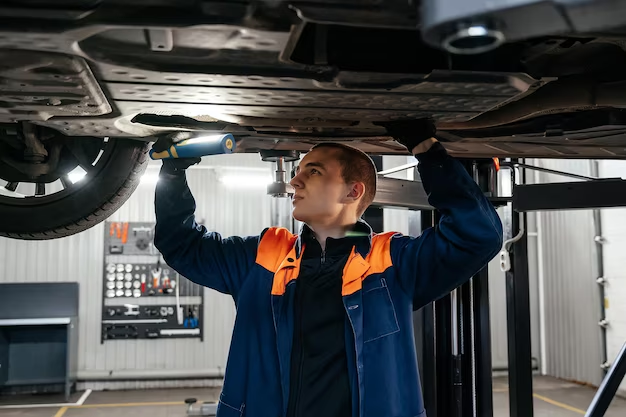
You are driving down Eastern Parkway, and something does not feel right. The car pulls to one side. The steering wheel vibration at highway speed makes your hands tense up. Maybe you notice uneven tire wear patterns when you glance at your tires. Now you are wondering: do I need a wheel alignment, or is it a balancing issue? Understanding wheel balancing vs alignment can save you time, money, and unnecessary repairs. While both services involve your tires and wheels, they solve very different problems. Let’s break it down in plain language so you know exactly what fixes pulling, shaking, and uneven tire wear patterns. What Is a Wheel Alignment? A wheel alignment adjusts your vehicle’s suspension angles so your wheels sit at the correct positions according to factory specifications. Contrary to what many people think, technicians are not adjusting the tires themselves. They are adjusting the suspension components that control wheel angles. When we talk about camber caster toe explained in simple terms, here is what it means: If any of these angles are off, your car pulls to one side, your steering wheel may sit crooked, and your tires may wear unevenly. That is why wheel alignment Brooklyn NY services are so important for everyday drivers navigating city streets filled with potholes and rough pavement. What Is Wheel Balancing? Wheel balancing is a completely different service. It focuses on the distribution of weight around your tire and wheel assembly. Over time, normal driving causes small weight imbalances. Even slight irregularities can lead to steering wheel vibration at highway speed. During a balancing service, a technician uses specialized equipment to spin each wheel and identify heavy spots. Small weights are then added to restore balance. If you are comparing wheel balancing vs alignment, remember this simple rule: Why Does My Car Pull to One Side? When your car pulls to one side, it is usually a sign that your alignment is off. In Brooklyn, this often happens after an alignment after hitting a pothole. One hard impact can knock your suspension angles out of specification. Common reasons your car pulls to one side include: If the pulling started right after a curb impact or alignment after hitting a pothole, chances are high that you need a wheel alignment Brooklyn NY service. Ignoring it will not fix itself. In fact, it can quickly lead to uneven tire wear patterns that shorten the life of your tires. What Causes Steering Wheel Vibration at Highway Speed? Steering wheel vibration at highway speed is one of the most common complaints drivers have. If your steering wheel vibration at highway speed gets worse as you accelerate, wheel balancing is usually the first thing to check. However, steering wheel vibration at highway speed can also be caused by: If the vibration only appears at higher speeds and disappears when you slow down, wheel balancing vs alignment diagnosis typically points toward balancing first. A proper inspection will confirm the exact cause. Understanding Uneven Tire Wear Patterns Your tires can tell you a lot about what is happening underneath your vehicle. Uneven tire wear patterns often reveal alignment or suspension issues. Here are a few common examples: When technicians look at uneven tire wear patterns, they are essentially reading a story written by your suspension system. At 770 Auto Service, careful diagnostics help determine whether you need balancing, alignment, or additional suspension repairs. Alignment After Hitting a Pothole Brooklyn drivers know potholes are part of daily life. An alignment after hitting a pothole is not just a recommendation, it is often necessary. A hard impact can: If you recently hit a pothole and now notice steering wheel vibration at highway speed or your car pulls to one side, scheduling a wheel alignment Brooklyn NY service should be a priority. Wheel Balancing vs Alignment: How to Tell the Difference Here is a quick comparison to help you decide: If your car pulls to one side: Most likely alignment. If you feel steering wheel vibration at highway speed: Most likely balancing. If you see uneven tire wear patterns: Could be alignment, balancing, or suspension related. If you experience tire cupping causes such as scalloped tread: Often suspension or balancing issues, sometimes alignment. The key takeaway in the wheel balancing vs alignment debate is this: both services are preventative and corrective. Neither one is optional if you want your vehicle to drive safely and smoothly. Why Proper Alignment and Balancing Matter Ignoring alignment and balancing issues leads to bigger problems. When camber caster toe explained settings are properly adjusted and your wheels are balanced, your vehicle handles as intended by the manufacturer. You get smoother driving, better traction, and improved safety. The Role of Suspension and Steering Components Sometimes wheel balancing vs alignment is only part of the story. If worn ball joints, tie rods, shocks, or struts are present, simply adjusting alignment will not solve the root issue. Tire cupping causes are often linked to worn shocks or struts that allow tires to bounce excessively. That bouncing leads to steering wheel vibration at highway speed and uneven tire wear patterns. At 770 Auto Service, technicians inspect the full suspension and steering system before performing a wheel alignment. This ensures that the alignment holds and does not drift again after a few weeks. How Often Should You Get an Alignment? Most manufacturers recommend checking alignment once a year or every 12,000 miles. However, Brooklyn’s driving conditions can require more frequent service. You should consider wheel alignment if: Preventative maintenance costs far less than replacing a full set of prematurely worn tires. Why Brooklyn Drivers Trust 770 Auto Service At 770 Auto Service, located at 1757 Eastern Pkwy in Brooklyn, NY, drivers receive honest diagnostics and transparent service. Whether you need wheel balancing vs alignment evaluation or a complete suspension inspection, the team uses advanced equipment to get it right the first time. As a family owned shop, 770 Auto Service focuses on quality repairs and straightforward communication. There are