



Understanding Your Car’s Electrical System
Before diving into repairs, it’s essential to have a basic understanding of your car’s electrical system. This knowledge can help you identify problems early and communicate effectively with professionals.
Components of the Electrical System
The electrical system in your vehicle consists of several key components, including the battery, alternator, starter, and wiring. Each plays a vital role in ensuring that your car functions properly.
– Battery: The heart of the electrical system, providing the initial power to start your car. For example, imagine trying to start your car on a cold winter morning in Brooklyn only to find it won’t budge because the battery has lost its charge overnight.
– Alternator: Keeps the battery charged and powers the electrical systems while the engine runs. Without a functioning alternator, even a new battery will quickly deplete, leaving you stranded.
– Starter: Engages the engine to start the vehicle. A faulty starter often results in a frustrating clicking noise when you turn the key.
– Wiring: Connects all electrical components, ensuring smooth communication and power distribution. A loose wire can interrupt this communication, causing systems like your headlights or air conditioning to malfunction.
Common Signs of Electrical Problems
Recognizing the signs of electrical issues can save you time and money. Some common indicators include dim headlights, a dead battery, or malfunctioning accessories like the radio or air conditioning. Imagine driving at night with flickering headlights; not only is it dangerous, but it also suggests a deeper electrical issue that needs attention.
Diagnosing Battery Issues
The battery is often the first suspect when electrical problems arise. Here’s how you can diagnose and address battery-related issues.
Testing the Battery
A simple multimeter can help you check your battery’s voltage. A fully charged battery should read around 12.6 volts. If the reading is significantly lower, it may be time for a replacement. For instance, if you’re measuring just 10 volts, your battery is likely on its last legs.
Jump-Starting Your Car
If your battery is dead, a jump-start can be a temporary solution. Ensure both cars are turned off, connect the jumper cables correctly, and start the functional vehicle first. Once your car starts, let it run for a few minutes to recharge the battery. Picture being stuck in a parking lot with a dead battery and a kind stranger offering to help you jump-start your car—a lifesaver moment that can get you back on the road quickly.
Understanding Alternator Problems
While batteries get all the attention, alternators are just as crucial. A faulty alternator can mimic many of the symptoms of a bad battery.
Symptoms of a Failing Alternator
If your car’s electrical systems are acting up, or you notice a burning rubber smell under the hood, your alternator might be the culprit. Other signs include dimming lights when idling and the battery warning light on your dashboard. A friend of mine once ignored these signs and found himself stuck on the side of the road during a night drive.
Replacing the Alternator
Replacing an alternator can be complex, often requiring professional help. However, for those comfortable with car maintenance, ensure the battery is disconnected before starting, and refer to your car’s manual for guidance.
Tackling Wiring Issues
Wiring is the nervous system of your vehicle’s electrical setup. Issues here can be tricky to diagnose but are crucial to address.
Identifying Wiring Problems
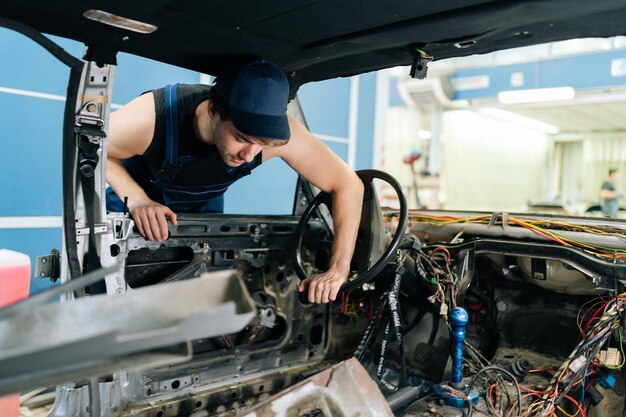
Frayed wires, blown fuses, and malfunctioning electrical components are telltale signs of wiring issues. Regularly inspect your wiring for visible damage. A loose wire might cause your car’s infotainment system to shut down unexpectedly, leaving you without navigation or music during a long drive.
Fixing Wiring Issues
For minor problems like loose connections, you can often make simple repairs yourself. However, complex issues, especially those involving critical systems, should be handled by professionals to ensure safety and reliability.
Importance of Regular Electrical Diagnostics
Routine checks can prevent sudden failures and extend the life of your car’s electrical system.
Benefits of Professional Diagnostics
Professional diagnostics can identify issues that might not be apparent during a visual inspection. Experts use specialized tools to pinpoint problems in your electrical system. Regular diagnostics, ideally once a year, can prevent costly repairs down the line.
DIY Electrical Checks
While professional diagnostics are invaluable, there are basic checks you can perform at home. Regularly test your battery, inspect wiring, and ensure all lights and accessories are functioning correctly. Keeping a simple toolkit in your car can help you handle minor issues on the go.
Seasonal Tips for Electrical Maintenance
The changing seasons in New York can impact your car’s electrical system. Here’s how to prepare for each season.
Preparing for Winter
Cold weather is tough on batteries. Ensure your battery is fully charged and consider getting it tested before the winter months. Keep jumper cables handy, and check that your lights and heater are in working order. A heated garage can also help preserve battery life during the harsh winter months.
Surviving the Summer Heat
High temperatures can cause batteries to fail and wiring to degrade. Make sure your cooling system is functioning, and inspect your wiring for any signs of heat damage. Parking in the shade can help reduce the strain on your car’s electrical systems during summer.
When to Seek Professional Help
Knowing when to call in the experts is crucial for maintaining your vehicle’s health and safety.
Signs It’s Time to Visit 770 Auto Service
If you’ve tried troubleshooting and the problem persists, or if the issue is beyond your expertise, it’s time to visit a professional. At 770 Auto Service in Brooklyn, NY, our skilled technicians are ready to help with any electrical repair needs.
How to Choose the Right Auto Service
Look for a service center with experienced technicians, a good reputation, and transparent communication. 770 Auto Service ticks all these boxes, offering reliable and professional service for all your auto electrical needs.
Remember, having a well-functioning electrical system is essential for a safe and comfortable drive. Whether you’re dealing with a simple battery issue or complex wiring problems, understanding your car’s electrical system is the first step in ensuring your vehicle’s reliability. When in doubt, don’t hesitate to reach out to the professionals at 770 Auto Service. Your car will thank you!