




You’re sitting at a red light on a busy Brooklyn afternoon. The light turns green, you shift into first, and… nothing. Or rather, something happens, but it isn’t the smooth forward motion you’re used to. Maybe the engine revs high while the car barely crawls, or perhaps there’s a distinct smell, something like burnt toast or scorched rubber, wafting through the vents.
If you drive a manual transmission, that sinking feeling in your stomach is usually followed by one nagging question: “How much is this going to cost me?”
At 770 Auto Service, we believe that the best customer is an informed one. We’ve seen the panic in drivers’ eyes when they think their transmission is toast. The truth is, while a clutch replacement is a significant job, it isn’t a mystery. Understanding the average cost for clutch replacement and knowing how to spot the early warning signs can shift you from a state of worry into a state of control.
Is Your Clutch Actually Failing? (The Sensory Guide)
Before we talk numbers, let’s figure out if you actually need to spend the money. A clutch doesn’t usually just “die” without warning. It sends out distress signals long before it leaves you stranded. Think of it like your body: a persistent cough usually precedes a full-blown flu.
Here are the sensory cues your car is giving you:
- The “Slipping” Sensation: You press the gas, the RPMs climb, but your speed doesn’t match the engine’s roar. It feels like the power isn’t reaching the wheels. This is the most common sign that the friction material on your clutch disc is worn thin.
- The Burnt Smell: That acrid, “sweet” yet scorched scent is the smell of friction material overheating. If you smell this after a hill start or heavy traffic, your clutch is literally burning up.
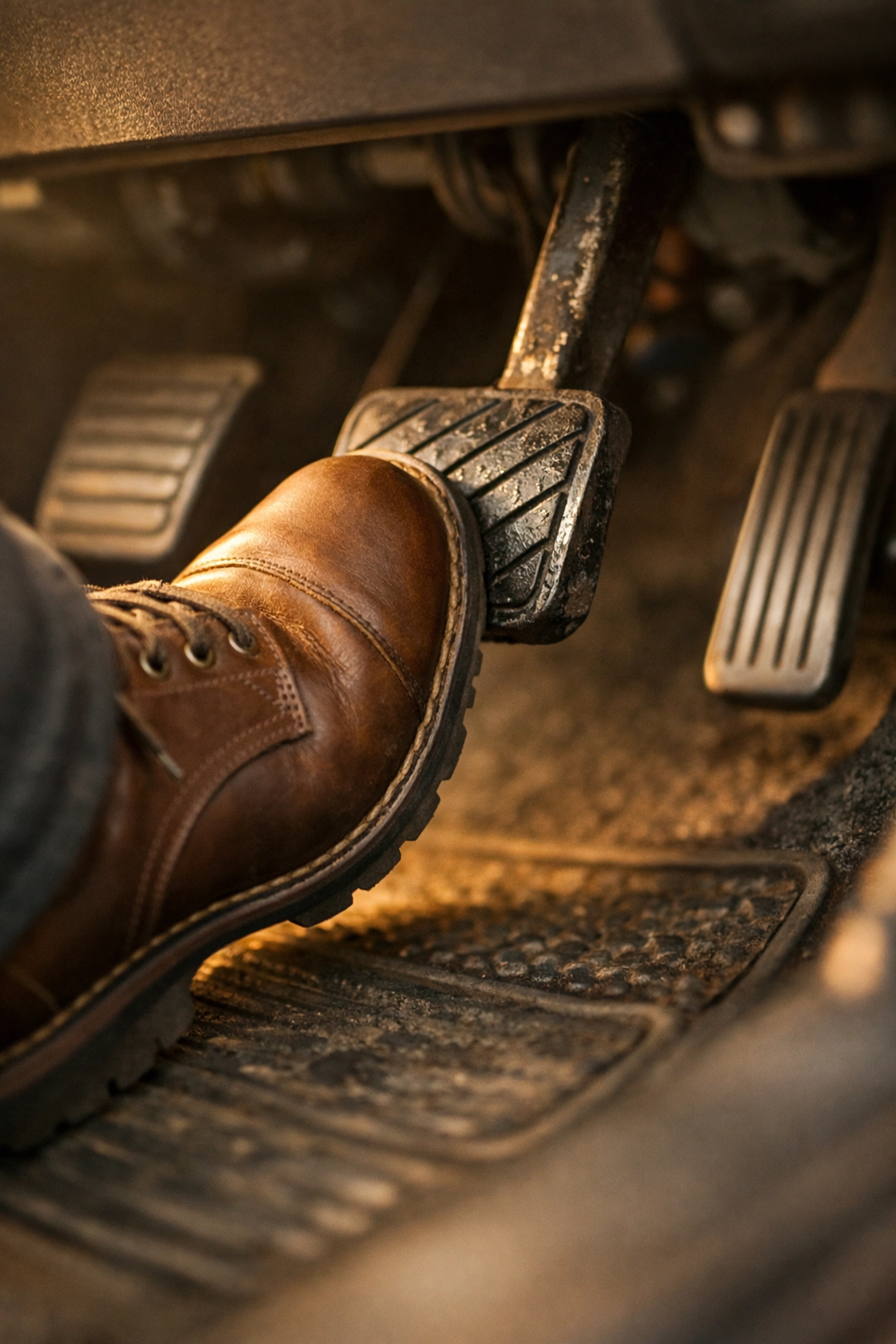
- The “Spongy” or “Stiff” Pedal: Does the clutch pedal feel like you’re stepping on a marshmallow? Or does it require a gym-level leg workout to push down? Changes in pedal resistance often point to issues with the pressure plate or hydraulic system.
- The Dreaded “Chirp” or “Grind”: If you hear a squealing noise that goes away when you press the pedal, your throw-out bearing might be crying for help. If it grinds when shifting, the clutch might not be fully disengaging.
If you’re noticing these issues, it’s a good idea to check out our general car maintenance guide to see how these symptoms fit into your car’s overall health.
Breaking Down the Average Cost for Clutch Replacement
Let’s get straight to the point. When you start searching for the average cost for clutch replacement, you’ll see a wide range. Generally, for most vehicles on the road today, you can expect to pay somewhere between $1,200 and $1,500.
However, “average” is a broad term. Depending on what you drive and how much damage has been done, that range can stretch from as low as $750 for a small economy car to upwards of $2,500 for high-performance or luxury European models.
Why Is It So Expensive? (The Labor vs. Parts Reality)
The “sticker shock” of a clutch job usually comes from the labor, not necessarily the parts. In fact, labor often accounts for 50% to 70% of your total bill.
To replace a clutch, a technician has to physically separate the transmission from the engine. This is a complex, heavy, and time-consuming process that can take anywhere from four to eight hours of intense labor. In a city like New York, where shop rates reflect the cost of doing business, those hours add up.
Average Breakdown:
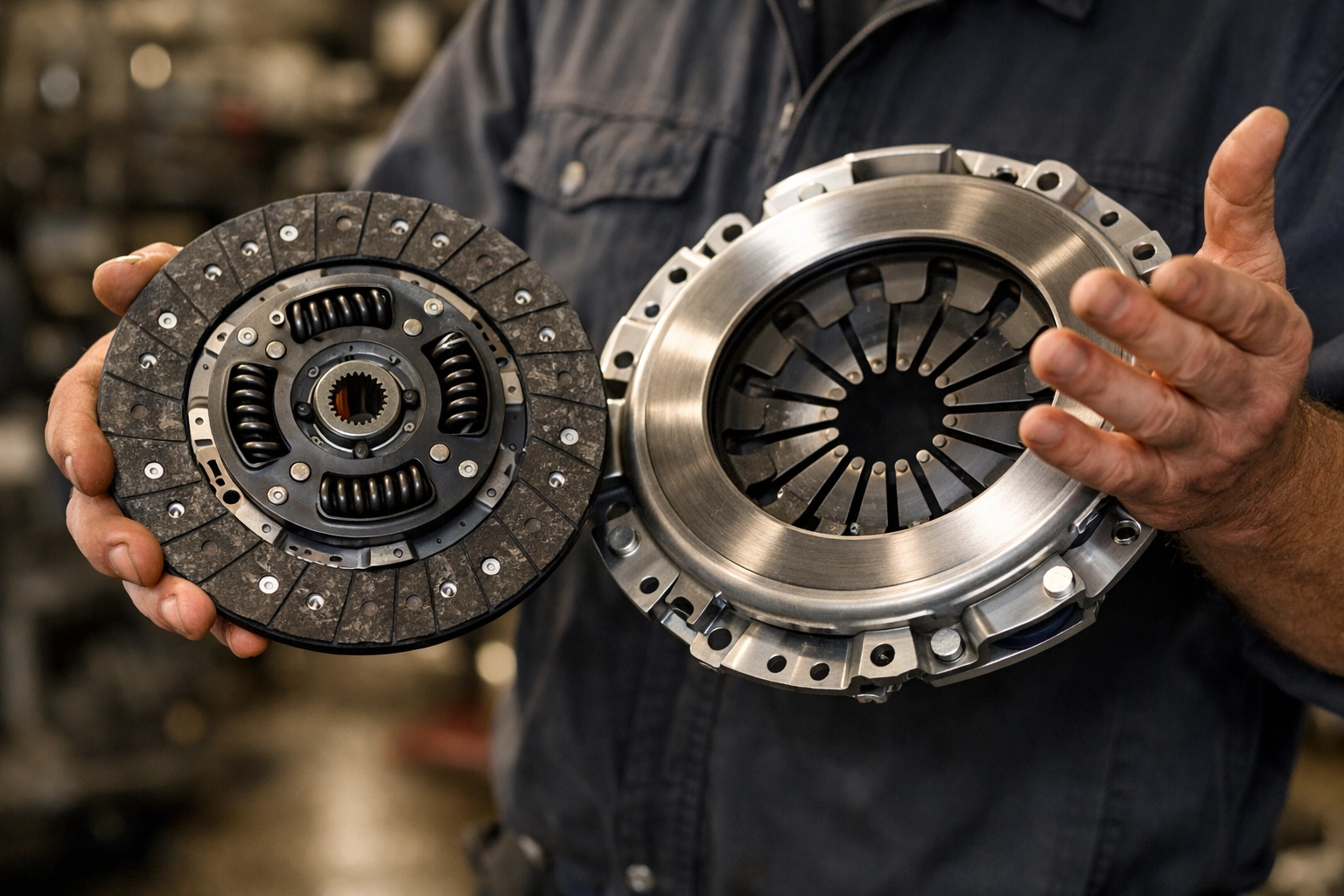
- Parts: $400 – $900 (Clutch kit, including disc, pressure plate, and bearings).
- Labor: $600 – $1,200 (Varies by vehicle complexity).
For a deeper dive into these specific price points, you can read more on our dedicated clutch replacement cost page.
Costs Based on What You Drive
Not all clutches are created equal. If you’re driving a nimble commuter car, your wallet will breathe easier than if you’re hauling loads in a heavy-duty truck.
| Vehicle Category | Estimated Total Cost |
|---|---|
| Economy Cars (e.g., Honda Civic, Toyota Corolla) | $700 – $1,100 |
| Midsize Sedans (e.g., Nissan Altima, Ford Fusion) | $900 – $1,400 |
| Trucks & SUVs (e.g., Ford F-150, Jeep Wrangler) | $1,100 – $1,800 |
| Luxury/European (e.g., BMW, Audi, Mercedes) | $1,500 – $2,800 |
If you have a modern “automatic” that actually uses a Dual-Clutch Transmission (DCT) or DSG system, be prepared for a different conversation. These systems are significantly more complex and can easily push repair costs into the $3,000+ range.
The “While You’re In There” Expenses
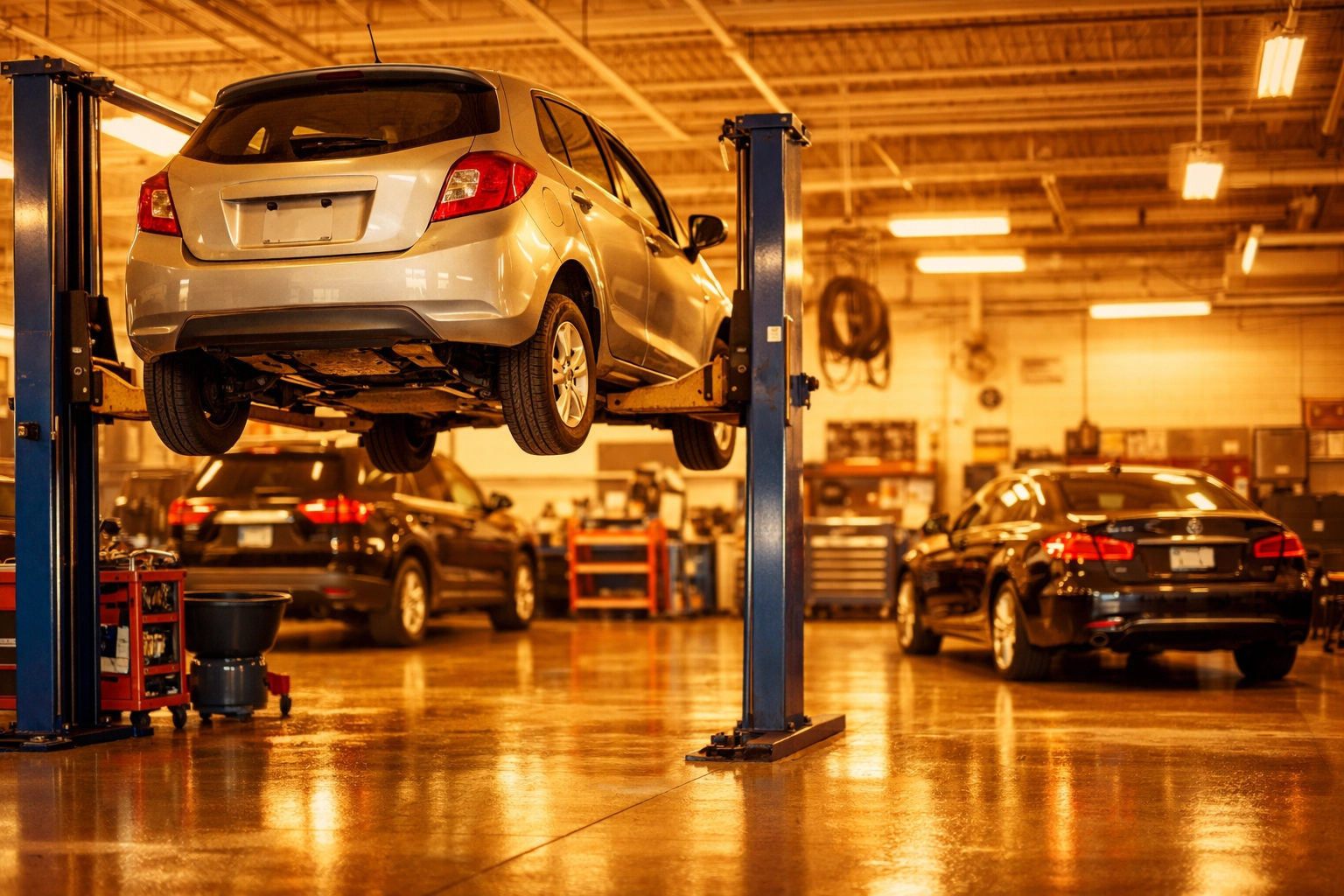
When we have your car on the lift and the transmission is out, it is the most honest time to look at related parts. It might seem like we’re adding to the bill, but we’re actually trying to save you from paying that massive labor charge twice.
- The Flywheel ($200 – $800): This is the metal disc the clutch grabs onto. If it’s warped or heat-cracked, a new clutch won’t help for long. Resurfacing or replacing it is standard practice.
- Rear Main Seal ($30 – $100 for the part): This is a small rubber seal on the back of the engine. If it leaks oil onto your brand-new clutch, it will ruin it instantly. Since the transmission is already off, changing this seal is a “no-brainer” for long-term reliability.
- Master and Slave Cylinders ($150 – $400): These are the hydraulic components that move the clutch. If your pedal feels weird, these might be the real culprits.
Ignoring these can lead to problems after clutch replacement, which is the last thing any driver wants.
DIY vs. Professional Help: Is it Worth the Risk?
We love a good DIY project as much as anyone. However, clutch replacement is a “Level 4” automotive repair. It requires transmission jacks, engine supports, and often, specialized alignment tools.
If you attempt this at home, you’re looking at 10–12 hours of work if everything goes perfectly. If a bolt snaps or the transmission doesn’t line up, you’re stuck. Safety is also a major concern: working under a vehicle with the transmission removed requires absolute stability.
At 770 Auto Service, we provide the peace of mind that comes with a professional warranty. When we do the job, we stand behind it. You don’t have to worry about “that weird noise” two weeks later.
How to Extend the Life of Your Clutch (And Save Money)
The best way to handle the average cost for clutch replacement is to avoid it for as long as possible. Clutches are wear items, but they aren’t meant to fail every year. With proper care, a clutch can last well over 100,000 miles.
- Don’t “Ride” the Clutch: Keeping your foot slightly pressed on the pedal while driving keeps the clutch partially disengaged, creating constant friction and heat.
- Use the Handbrake on Hills: Don’t hold the car in place on an incline using the clutch and gas. Use your brakes.
- Don’t Shift Like a Racecar Driver: Smooth engagement is the key. “Dumping” the clutch or aggressive shifting wears the friction material down prematurely.
- Regular Check-ups: Including a clutch inspection in your car service checklist can help catch hydraulic leaks before they ruin the disc.
Transparency is Our Core Value
At 770 Auto Service, we’ve built our reputation on being the “honest shop” in Brooklyn. We know that car repairs are an interruption to your life and a hit to your budget. That’s why we never hide fees and we always explain the “why” behind every recommendation.
If your clutch is acting up, don’t wait until you’re stranded on the BQE. Proactive maintenance is always cheaper than an emergency tow and a rushed repair. Whether it’s a simple hydraulic bleed or a full replacement, we’ll give you the truth, a fair price, and the confidence to get back on the road.
Ready to get a clear picture of your car’s health? From brake pad replacement to complex transmission work, we’ve got you covered.
Don’t let a slipping clutch slow you down. Contact 770 Auto Service today for a transparent quote and expert care.