




Defroster Taking Forever? What Slow Window Clearing Really Means (and When It’s a Repair)
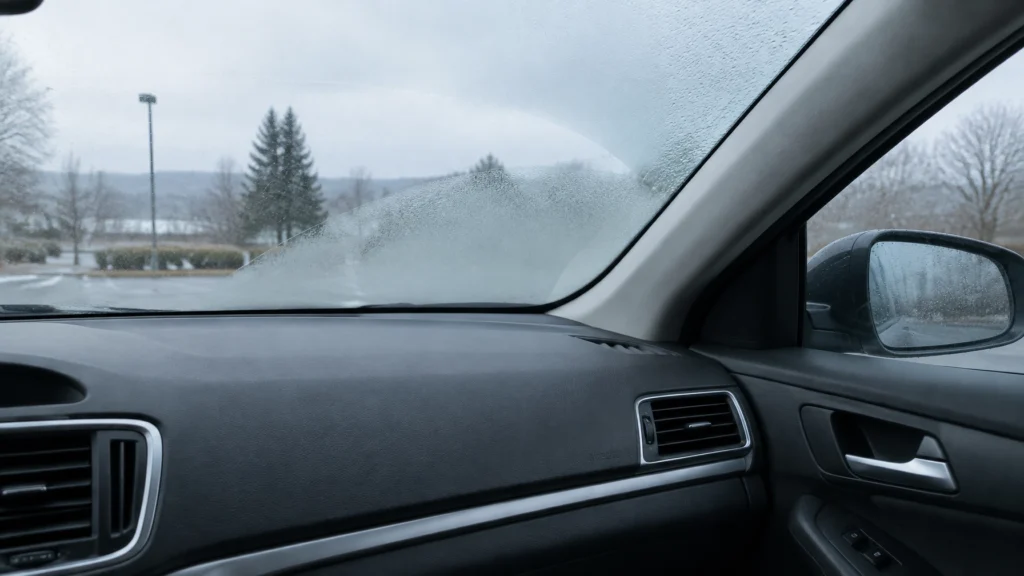
A fogged windshield can turn an ordinary morning drive into a frustrating wait. If the glass takes longer than usual to clear, or fog returns as soon as you pull away, your car may not be moving enough warm, dry air across the windshield. Sometimes the fix is as simple as changing a climate-control setting or replacing a clogged cabin air filter. Other times, slow defrosting points to a coolant leak, weak heater, or problem with an HVAC door or blower. Knowing the difference helps you avoid guessing at parts, or approving a costly repair before the cause is clear. How your car’s defroster clears the windshield The front defroster uses the heating and ventilation system to direct air through vents at the base of the windshield. Warm air helps raise the glass temperature, while the air-conditioning system can remove moisture from the air, even when you’ve selected heat. Many cars automatically switch on the A/C in defrost mode for this reason. A quick distinction: the front defroster blows air onto the windshield. The rear defogger usually uses electrical heating lines in the rear glass. If only the rear window stays foggy, the problem may be with that separate electrical system. For the front windshield, slow clearing usually comes down to one or more basics: the air isn’t warm enough, there isn’t enough airflow, air isn’t reaching the windshield, or the cabin is too damp. Common causes of slow window clearing Low coolant or air in the cooling system Your heater uses hot engine coolant to warm air inside the cabin. If the coolant level is low, or air is trapped in the system, the heater may blow lukewarm air, take a long time to warm up, or change temperature unexpectedly. Check the coolant level only when the engine is fully cold, and follow your owner’s manual. Low coolant can point to a leak; repeatedly topping it up without finding the cause isn’t a lasting fix. If the temperature gauge rises unusually high, stop driving when safe and get the cooling system checked. A blend door that isn’t moving correctly Inside the dashboard, blend doors direct air through or around the heater core to control temperature. Other doors direct airflow to the windshield, floor, or dashboard vents. An actuator moves these doors when you change the temperature or vent setting. If airflow is strong but stays cold, or the air won’t switch to the windshield when you select defrost, a door or actuator could be stuck. Clicking behind the dashboard when you change settings can be another clue, but symptoms alone don’t confirm which part has failed. A scan tool and physical inspection may be needed to check the actuator and door movement. CarParts.com explains how blend doors and actuators manage cabin temperature and airflow. A restricted cabin air filter The cabin filter catches dust and debris before air enters the HVAC system. When it becomes clogged, airflow can drop, so less warm air reaches the windshield. You may also notice weak air from other vents or a musty smell. A restricted filter can mimic a more complicated HVAC fault. Inspecting it is often a sensible early step before considering major repairs. Counterman notes that a clogged cabin filter can reduce defrost airflow and slow clearing. A weak blower motor or related electrical fault The blower motor pushes air through the vents. If little air comes out at any fan speed, the motor, fuse, wiring, or a related control may need attention. If the fan works only at its highest setting, the blower resistor or electronic speed controller may be involved. The key clue is airflow: warm air that barely moves suggests a different problem from strong airflow that stays cold. A restricted or leaking heater core The heater core transfers warmth from the engine coolant to the air flowing into the cabin. A restricted core may leave the heater weak, even when the engine is warm. A leaking core can cause unexplained coolant loss, damp carpet, a sweet coolant smell, or repeated fogging inside the car. These signs don’t prove the heater core is at fault, since other issues can cause similar symptoms. A technician can check coolant flow and inspect for leaks before recommending a flush or replacement. Checks you can try before booking a repair Try these simple steps while parked: Select the windshield defrost setting. Set the temperature to warm and the fan to a comfortable higher speed. Check that air actually comes from the windshield vents. Use fresh air rather than recirculation. Recirculated, moisture-heavy cabin air can keep windows foggy. A/C can also help dry the air if your vehicle allows it in defrost mode. Check airflow at more than one setting. Note whether it’s weak at all speeds, works only on high, or is strong but not warm. Inspect the cabin filter if it’s accessible. Use the owner’s manual for its location and replacement guidance. Replace it if it’s visibly dirty, damaged, or overdue. Check coolant only with the engine cold. Look at the reservoir level and watch for signs of a leak. Never remove a radiator cap while the system is hot. Notice any warning signs. A rising temperature gauge, repeated coolant loss, damp carpet, or a sweet smell deserves prompt attention. If the windshield remains too fogged to see safely, don’t drive until visibility is adequate. Clear the glass fully, and don’t try to wipe away fog while the vehicle is moving. What repairs may cost Repair prices depend on your vehicle, parts, labor, and how easy the problem is to reach. The figures below are broad U.S. estimates, not a quote for your car. Ask what diagnosis, parts, labor, coolant, and additional work are included in any estimate. Possible fix Broad estimated range Cabin air filter replacement About $20–$150 for a DIY part, or $80–$250 installed Coolant pressure test and refill or bleed About $100–$300; repairing a leak costs extra Heater-core flush About $120–$350, if a flush is appropriate Blower
Cold Starts and Dead Batteries: Why the First Freezing Morning Kills Weak Car Batteries
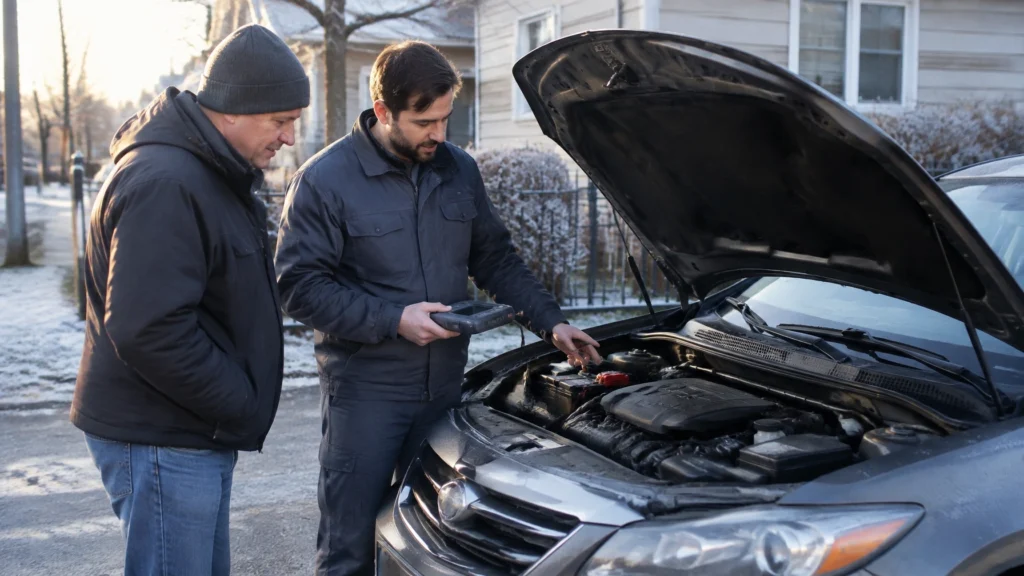
You turn the key on the first freezing morning and hear a slow, strained rrr-rrr-rrr, or just a click. A battery that started the car yesterday may suddenly struggle when the temperature drops. Cold weather doesn’t usually ruin a healthy battery overnight. It makes an already weak one show its limits. For drivers in Brooklyn, a battery check before the cold sets in can help avoid an inconvenient no-start. The important part is getting a proper test before agreeing to a replacement. Why cold weather is hard on a car battery A car battery produces power through chemical reactions. Cold temperatures slow those reactions, reducing the power available to start the engine. At the same time, cold engine oil thickens, so the starter has to work harder to turn the engine over. That’s a double challenge: less power available, more power needed. A battery that’s aging, undercharged, or damaged may cope in mild weather but fail when temperatures fall. Short trips can add to the strain: the alternator may not have enough time to replace the energy used during a start, especially if the heater, lights, and rear defroster are running. One rating worth knowing is cold-cranking amps (CCA). It describes a battery’s ability to deliver starting power in cold conditions. The right CCA depends on your vehicle, though. Choosing a battery based on the biggest number on the shelf isn’t a substitute for matching the automaker’s specifications. Warning signs that a battery may be weakening A dead battery can seem sudden, but it often gives clues beforehand. Pay attention to: Slow cranking: The engine turns over sluggishly instead of starting promptly. Repeated clicking: The starter clicks, but the engine doesn’t turn over. This can point to a weak battery, but it can also involve connections or the starter. Dim or flickering lights: Headlights or interior lights may look weak, particularly when starting. Electrical glitches: Windows may move slowly, or the clock or radio may reset. Corrosion or loose connections: A crusty deposit around a terminal or a loose cable can interfere with power delivery. Repeated jump-starts: Needing another boost soon after the last one is a reason to find out why. These symptoms don’t prove the battery needs replacing. A poor connection, charging-system problem, or electrical drain can create similar trouble. A battery-shaped dashboard warning light can also point to a charging-system fault, not just a bad battery. Test first; don’t replace by guesswork A voltage reading can show whether a battery is charged, but it doesn’t always tell you whether the battery can deliver enough power under starting load. A battery can show a reasonable resting voltage and still fail when asked to crank the engine. A shop can check the battery with a load test or a modern conductance tester, then inspect the charging system. The test should consider the battery’s charge level and compare its measured performance with its rating and the vehicle’s requirements. If the battery is undercharged, it may need charging before its condition can be judged fairly. It also helps to check the battery terminals and cables. Corrosion or a loose connection can mimic battery failure. If the battery tests healthy, the next steps may include checking alternator output or looking for a drain that’s drawing power while the vehicle is parked. At 770 Auto Service, battery testing, replacement, and charging-system checks are listed among the shop’s services. A clear diagnosis should explain what the test found and why a repair is recommended, not turn every slow start into an automatic battery sale. What battery replacement may cost There isn’t one reliable price for every vehicle. As a broad planning range, a standard replacement may run roughly $100 to $400, including the battery and installation. A third-party replacement-cost estimate offers a regional benchmark, but it is not a quote from 770 Auto Service. Treat it as a starting point, not a promise of what your particular vehicle will cost. The final price depends on the battery type, vehicle, warranty, and installation requirements. Some cars need an AGM battery or a battery-management reset; those can cost more than a basic battery. Access under the hood can also affect labor. Before approving a replacement, ask what the quote includes: The battery type and warranty Installation and disposal of the old battery Any required battery registration or reset A check of the charging system and connections A trustworthy mechanic in Brooklyn should be able to explain the options and price before work begins. If a battery fails its test, replacement may be the right call. If it passes, you shouldn’t be pressured to buy one just because winter is coming. Can you replace the battery yourself? For some vehicles, a confident DIYer can replace a battery with the correct part and tools. But batteries are heavy, can leak corrosive material, and can release flammable gas. Accidental contact between a tool and the wrong parts can also cause sparks. Modern vehicles may require a specific battery type, a memory-saving process, or registration of the new battery with the car’s electronics. Using the wrong type or skipping a required procedure can create problems beyond a no-start. If you’re unsure about the battery specification, safe handling, or your vehicle’s replacement steps, leave it to a shop. Don’t try to test a battery by creating sparks, and don’t handle one that’s cracked, leaking, or swollen. For basic maintenance advice, see 770 Auto Service’s guide to car battery checks. A quick cold-weather check Before the next cold snap, note the battery’s age if you can, check for obvious terminal corrosion, and pay attention to how the engine starts. If the cranking has slowed or you’ve needed a jump, arrange a battery and charging-system test before the car leaves you stranded. Battery trouble is not always battery failure. A careful test can show whether the problem is the battery, a connection, the alternator, or another electrical issue, and help you avoid replacing a part that still has life in it. If
Buying a Used Car in Brooklyn? The 15-Minute Pre-Purchase Inspection Checklist

A used car can look polished in photos and still hide worn tires, old fluid, collision repairs, or rust underneath. You do not need to be a professional mechanic to spot obvious warning signs, but you do need a plan. This 15-minute checklist is designed for Brooklyn drivers who want a practical first look before paying for a full inspection. It is not a replacement for a lift inspection or diagnostic scan. Instead, think of it as a quick filter: does this vehicle deserve a closer look, or should you thank the seller and walk away? Bring a flashlight, paper towel, a phone for photos, and enough time to avoid being rushed. Before the 15-minute inspection Ask the seller for the vehicle identification number, maintenance records, and permission to start the car while it is cold. A vehicle that is already warm when you arrive may have been started to hide a hard start, rough idle, or startup noise. You should also confirm: The title is available and matches the seller’s information. The mileage is consistent with the paperwork and dashboard. The seller allows an independent pre-purchase inspection. You are allowed to take a reasonable test drive. There is no pressure to make an immediate decision. You can compare the vehicle with listings on our used-car sales page, but remember that inventory, pricing, mileage, and availability can change. Whether you are buying privately or from a dealership, the same inspection principles apply. Minute 0–2: Look at the car before starting it Begin with a slow walk around the vehicle in natural light. Do not focus only on whether the paint shines. Look for signs that different parts of the car may have been repaired at different times. Check the panel gaps and paint The gaps around the hood, doors, trunk, and bumpers should look reasonably even. A gap that is noticeably wider on one side, a hood that sits too high, or a door that does not line up smoothly can point to previous collision damage. Then compare the paint from panel to panel. Look for: A fender that is a different shade from the door Overspray on rubber trim, wheel-well liners, or plastic molding Rough paint edges around lights and door openings Cloudy or unusually glossy sections Paint bubbling along lower doors, wheel arches, or rocker panels A repaint is not automatically a reason to reject a car. Quality collision repair can restore a vehicle properly. The concern is unexplained repair work, especially when the seller is vague about what happened. If you see possible accident damage, ask directly: “Which panels were repaired, and do you have the repair records?” Clear answers are a good sign. Evasion is not. Look for rust in Brooklyn problem areas Road salt and winter moisture can be hard on vehicles. Pay particular attention to the lower edges of the doors, wheel wells, rocker panels, subframes, and visible frame rails. Surface discoloration is different from heavy structural corrosion. Flaking metal, holes, swollen seams, or thick rust around suspension mounting points deserve professional attention. Fresh undercoating in only one area can also be worth questioning because it may hide older corrosion. Do not crawl under a car supported only by a jack. Use your flashlight from the side, then ask a professional mechanic to inspect the underside on a lift. Minute 2–5: Inspect the tires and wheels Tires often reveal both immediate costs and problems elsewhere in the car. Check each tire for: Cracks, bulges, cuts, or exposed cords Uneven wear on the inner or outer edge Different brands or sizes Very different tread depths Bent rims or fresh-looking wheel damage Uneven wear may indicate an alignment issue, worn suspension components, or previous impact damage. A car can drive acceptably during a short test drive and still need suspension or tire work soon. Read the tire date code Find the DOT markings on the tire sidewall. The final four digits usually show the manufacturing week and year. For example, 2422 means the 24th week of 2022. Tread depth is only part of tire condition. Rubber ages, hardens, and loses grip over time, even when the tread appears acceptable. If the tires are several years old, ask when they were installed and budget for replacement if necessary. A seller who says “the tires are new” should be able to explain when they were purchased. Check the date yourself rather than relying only on the description. Minute 5–8: Start the engine cold With the engine cold, turn the key or press the start button and pay attention to what happens. A healthy start should be reasonably quick, followed by a stable idle. Listen for noises that continue beyond the first moment: Deep knocking Sharp ticking or tapping Loud rattling Hissing Belt squealing Repeated misfires or shaking Watch the dashboard as well. Warning lights should illuminate briefly when the ignition is switched on and then turn off after the engine starts. A check engine, ABS, airbag, oil-pressure, or battery light that remains on needs an explanation and a diagnostic check. If a warning light does not appear at all during the initial key-on check, that is also worth investigating. It may be normal for some systems, but it can also mean the light has been disabled. Do not open the radiator cap on a warm engine. Instead, inspect the coolant reservoir when it is safe to do so. Check fluids without overinterpreting them Fluid appearance can provide clues, but it cannot confirm the condition of an engine or transmission by itself. Engine oil: Check the dipstick if the vehicle has one. Oil may range from amber to dark brown depending on age and use. Milky or foamy oil is a serious warning sign. Coolant: It should generally look clean and consistent with the vehicle’s specified coolant. Brown, rusty, oily, or unusually low coolant needs attention. Brake fluid: A very low level may indicate worn components or a leak. Transmission fluid: If the vehicle has a serviceable dipstick,
5 Steps to Winterize Your Car Before Brooklyn’s First Cold Snap
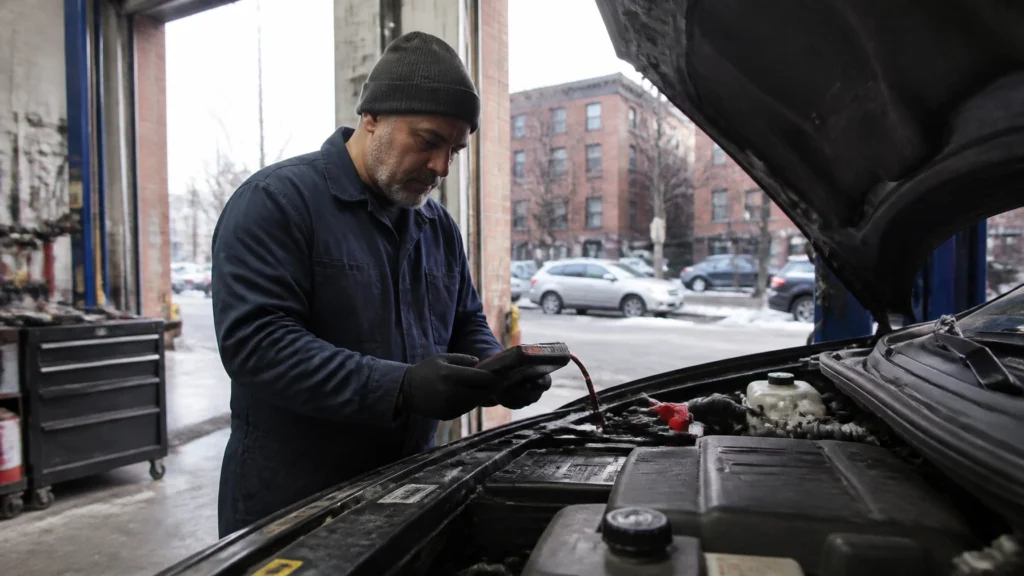
September is a good time to start thinking about winterizing your car: not because snow is already in the forecast, but because the first cold snap can expose problems that were easy to ignore during warmer months. A weak battery may start the car reliably in September and fail on a freezing morning in December. Tires that felt fine on dry pavement may struggle on wet, icy streets. A worn wiper blade can turn road spray and salt into a blurry mess at exactly the wrong time. The good news is that winter preparation does not have to mean replacing everything or paying for services you do not need. Here are five practical steps for Brooklyn drivers, along with honest guidance on what you can handle at home and what is better left to a professional. 1. Check the Battery Before Cold Weather Tests It Cold temperatures make the engine harder to crank and reduce a battery’s available power. If your battery is already weak, winter can be the final push from “a little slow” to a silent click when you turn the key. Start by watching for warning signs: The engine cranks more slowly than usual. Headlights or interior lights look dim. You have needed a jump-start recently. Battery terminals show white or bluish corrosion. Your vehicle’s battery or charging warning light comes on. If the battery is around three years old or older, a health test is worthwhile: especially if you drive short distances, leave the car parked for several days, or depend on street parking far from home. What you can do yourself With the engine off, you can inspect the battery for visible corrosion, a loose hold-down, or damaged cables. Make sure lights and accessories are switched off when the vehicle is parked. If you have a portable jump pack, check that it is charged before winter arrives. Avoid guessing based only on age, though. Some batteries last longer than others, and replacing a battery that still tests strong is not necessarily money well spent. When to visit a mechanic in Brooklyn A proper battery and charging-system test can show whether the problem is the battery, alternator, cables, or another electrical fault. At 770 Auto Service, accurate diagnostics help identify the actual issue instead of automatically recommending a replacement. Read more about warning signs and battery testing in our guide to preventing unexpected battery breakdowns. 2. Inspect Tire Tread, Pressure, and Condition Your tires are the only part of your vehicle touching the road. On Brooklyn’s wet, slushy, and occasionally icy streets, tread and pressure matter more than they do on a warm, dry day. Begin with tire pressure. As temperatures drop, tire pressure usually drops as well. Check all four tires when they are cold and use the pressure listed on the driver’s door-jamb sticker or in the owner’s manual: not the maximum number printed on the tire sidewall. Then inspect the tread and sidewalls. Look for: Tread that is worn close to the wear bars. Uneven wear on the inside or outside edge. Cracks, cuts, or bulges in the sidewall. A tire that repeatedly loses air. Vibrations, pulling, or a vehicle that feels unstable. A penny can give you a quick rough check of tread depth, but it is not a substitute for a proper inspection. If you can see Lincoln’s entire head when the penny is placed upside down in the tread, the tire is significantly worn. Tires may also need replacement before the legal minimum if wet-weather traction has become poor. Winter tires are not automatically necessary for every Brooklyn driver. If you mostly drive locally and can avoid the roads during severe weather, quality all-season or all-weather tires may suit your needs. If you must drive in frequent snow or icy conditions, a tire professional can help you compare winter, all-weather, and all-season options for your vehicle and driving habits. What you can do yourself Check pressure monthly, inspect the tread, and look at the spare tire if your car has one. Remove objects such as nails only if you are taking the tire directly for professional repair; do not pull out a nail and continue driving without checking for a leak. When to visit a tire shop in Brooklyn A shop can measure tread accurately, check for internal damage, rotate the tires, and inspect alignment or suspension problems behind uneven wear. If the steering wheel shakes, the vehicle pulls, or one tire keeps losing air, a pressure adjustment alone may not solve the problem. Our tire maintenance guide covers pressure, tread, rotation, balancing, and alignment in more detail. 3. Make Sure Your Windshield and Defroster Can Handle Slush Winter visibility problems often begin with something simple: washer fluid that freezes, wipers that smear, or a defroster that barely moves air across the glass. Replace summer washer fluid with a winter-rated formula that includes freeze protection. Top off the reservoir before temperatures fall, and consider keeping an extra bottle in the trunk. Do not use plain water in place of washer fluid; it can freeze and leave you without spray when road salt and slush cover the windshield. Test the wipers. If they chatter, skip, leave streaks, or have torn rubber, replacing them before winter is a sensible low-cost repair. Also check that the front and rear defrosters work and that the heater produces warm air. What you can do yourself Changing wiper blades and filling the washer reservoir are usually straightforward. Clean the inside and outside of the windshield, and keep an ice scraper and snow brush in the vehicle. Before driving, clear snow and ice from the roof, hood, lights, mirrors, and all windows: not just a small opening in front of the driver. When to bring it in If the windshield fogs repeatedly, the heater stays cold, the defroster airflow is weak, or the blower makes an unusual noise, the cause may involve the cabin filter, blower motor, thermostat, heater system, or another component. That is a
Squealing, Grinding, or Soft? What That Brake Noise Is Really Trying to Tell You

Your brakes usually give you a warning before they become a serious safety problem. That warning may sound like a sharp squeal, a rough grinding noise, or feel like a brake pedal that has suddenly become soft and spongy. Not every brake noise means immediate failure. A brief squeak after rain may come from light surface rust. But persistent squealing, metal-on-metal grinding, or a pedal that sinks lower than normal should never be brushed off. If your vehicle sounds or feels different when stopping, this guide will help you understand what may be happening, how urgent it is, and when to seek brake repair in Brooklyn. What Your Brakes Are Telling You Your brake system uses friction to slow the wheels. When you press the pedal, hydraulic pressure pushes the brake pads against the rotors. That contact creates heat and gradually wears the pads down. Over time, other components can also develop problems: Brake pads can become thin or contaminated. Rotors can wear unevenly or develop deep grooves. Calipers can stick or apply pressure unevenly. Brake lines or hoses can leak. Brake fluid can become low or contaminated. Clips, shims, and other hardware can loosen or wear out. The sound or sensation you notice can provide an important clue. It does not identify the exact repair by itself, but it tells you when an inspection is needed. Squealing Brakes: Often an Early Warning A high-pitched squeal when you apply the brakes is one of the most common brake complaints. It may sound like a sharp whistle or a fingernail dragged across glass. The most common cause: worn brake pads Many brake pads include a small metal wear indicator. When the friction material becomes thin, this tab touches the rotor and creates a squealing sound. It is designed to get your attention before the pad is completely worn out. A persistent squeal during braking often means your pads are nearing the end of their useful life. The brakes may still stop the car normally, but waiting too long can allow the pad material to wear away completely. At that point, the metal backing plate may contact the rotor. A relatively straightforward pad replacement can turn into a larger repair involving the rotors and possibly the calipers. Squealing does not always mean worn pads Brake noise can also come from: Moisture or light surface rust after rain or overnight parking Brake dust caught between the pad and rotor Glazed pads caused by excess heat New pads that are still bedding in Loose or worn shims and clips Vibration between the pad and rotor If the squeal happens briefly after the vehicle sits in damp weather and then disappears, it may not be an emergency. However, noise that returns every time you brake, continues for several days, or comes with vibration should be checked promptly. How urgent is squealing? Usually: schedule an inspection soon. If the pedal feels normal and the car stops straight, you may be able to drive carefully to a repair shop. Still, “soon” should mean the next few days or your next available appointment: not several months from now. Squealing is your opportunity to address brake wear before it becomes grinding. Grinding Brakes: Do Not Treat It Like a Minor Noise Grinding is a deeper, harsher sound. It may remind you of metal scraping against metal or a rough mechanical growl coming from the wheel. Unlike an occasional squeak, grinding should be treated as an urgent warning. What grinding usually means The most serious and common cause is brake pads that have worn through. Once the friction material is gone, the metal backing plate can press directly against the rotor. That contact can: Damage the rotor surface with deep grooves Reduce braking performance Create excessive heat Damage the caliper Increase stopping distance Cause uneven braking or pulling Turn a smaller repair into a much more expensive one Grinding may also be caused by a seized caliper, a damaged rotor, a bent dust shield, or debris lodged near the braking components. The only way to know for certain is to inspect the system. Why you should not keep driving A vehicle with grinding brakes may still stop, which can make the problem feel less urgent. But “it still stops” is not the same as “it is safe.” Brake performance can worsen quickly, especially in Brooklyn traffic where frequent stops, crowded intersections, and sudden braking are part of everyday driving. If the grinding is loud, the car pulls to one side, the steering wheel shakes, or the pedal feels abnormal, continuing to drive can put you and others at risk. The safest option is to stop driving and have the vehicle towed for inspection. If you are already on the road, slow down safely, move out of traffic, and avoid continuing your trip unless a professional has confirmed that the vehicle is safe. A Soft or Spongy Brake Pedal Means a Different Kind of Problem A soft brake pedal does not necessarily make noise. Instead, it feels wrong under your foot. You may notice that the pedal: Travels farther than usual Feels mushy or springy Requires pumping before it firms up Slowly sinks while you hold pressure Moves close to the floor Requires more effort to stop the car This can point to a hydraulic problem, which deserves immediate attention. Common causes of a soft pedal A spongy pedal may be caused by air in the brake lines. Air compresses more easily than brake fluid, so the pedal can feel soft instead of firm. Other possible causes include: Low brake fluid A leaking brake hose, line, caliper, or fitting Old or moisture-contaminated brake fluid A failing master cylinder A brake component that is not operating correctly A brake fluid leak may leave a wet spot near a wheel or beneath the vehicle, but leaks are not always easy to see. Do not rely on checking the driveway alone. When a soft pedal becomes an emergency If the pedal suddenly drops
Looking for a Clutch Replacement? Here Are 10 Things You Should Know About the Average Cost

If you’ve ever found yourself stuck in bumper-to-bumper traffic on the BQE or creeping through the narrow, double-parked streets of Bushwick, you know exactly how much work your left foot does. Driving a manual transmission in Brooklyn is a labor of love, but all that stop-and-go driving takes a toll on your vehicle. One day, you notice the pedal feels a bit “mushy.” Or maybe you’re merging onto the Belt Parkway, you hit the gas, the engine revs like crazy, but your car barely speeds up. That’s the classic sign of a slipping clutch. The first question every driver asks is: “How much is this going to set me back?” At 770 Auto Service, we believe in total transparency. We don’t like “surprise” bills any more than you do. The average cost for clutch replacement can vary wildly, and if you’re searching for a mechanic in Brooklyn, it helps to know exactly what you’re paying for. Here are 10 things you should know about the cost of replacing your clutch. 1. It’s a Labor-Intensive Job The biggest thing to understand about clutch repair is that the parts themselves aren’t usually the most expensive part of the bill: the labor is. To get to your clutch, a technician has to physically separate the transmission from the engine. This involves disconnecting the driveshaft, removing the gearbox, and sometimes even dropping the subframe of the car. In a city like Brooklyn, where space is tight and cars live hard lives, this process can take anywhere from 4 to 8 hours of intensive work. When you see your total estimate, remember that you aren’t just paying for a new disc; you’re paying for several hours of heavy lifting and precision calibration. 2. What’s Actually in the “Clutch Kit”? When we talk about a clutch replacement, we aren’t just swapping out one single plate. A standard “clutch kit” typically includes the clutch disc (the part that actually wears down), the pressure plate (which holds the disc against the engine), and the throw-out bearing (which helps the pedal engage and disengage the system). Replacing just the disc while leaving an old, worn-out pressure plate is a recipe for doing the whole job again in six months. That’s why honest auto repair in Brooklyn will always recommend replacing the entire kit at once. 3. The Flywheel Factor This is the “X-factor” in your repair bill. The flywheel is a heavy metal disc connected to your engine that the clutch grips onto. Over time, the friction of the clutch can “glaze” the flywheel or even heat-crack it. There are two ways to handle a flywheel: Resurfacing: Much like turning brake rotors, we can sometimes grind down the surface to make it smooth and flat again. This is the more affordable option. Replacement: Some modern cars (especially European models) use “Dual-Mass Flywheels” which cannot be resurfaced. If these are worn out, they must be replaced, which can add several hundred dollars to the total average cost for clutch replacement. 4. Don’t Forget the Hydraulics Your clutch pedal doesn’t connect to the transmission with a simple cable in most modern cars; it uses a hydraulic system involving a Master Cylinder and a Slave Cylinder. If your pedal feels “spongy” or stays on the floor, the problem might actually be a leak in this system rather than the clutch itself. However, if we are already taking the transmission out, we often check the slave cylinder. If it’s located inside the transmission housing (an “internal slave”), it is almost always worth replacing it now to avoid paying for the same labor again later if it fails. 5. FWD vs. RWD: The Layout Matters The way your car is built significantly impacts the cost. Rear-wheel-drive (RWD) vehicles, like many trucks or older sports cars, usually have the transmission sitting right under the middle of the car, making it relatively easy to drop. Front-wheel-drive (FWD) cars, which make up the bulk of vehicles on Brooklyn streets, are much more compact. The engine and transmission are crammed together under the hood. Sometimes, a mechanic has to remove half the front suspension just to get the gearbox out. More parts to move means more hours on the clock. 6. Performance Materials vs. Standard Parts If you drive a standard commuter car, an OEM-quality clutch kit is perfect. But if you’ve modified your car for more power or you do a lot of heavy towing, you might need a “Stage 2” or “Stage 3” clutch. These use materials like ceramic or Kevlar to handle higher heat. While they last longer under stress, the parts cost is significantly higher. For the average Brooklyn driver, a high-quality standard kit provides the best balance of comfort and cost. 7. The “While You’re In There” Maintenance When we have your transmission sitting on a bench, we have access to parts of your engine that are usually impossible to reach. One of those is the Rear Main Seal. This is a small rubber seal that prevents engine oil from leaking out the back of the engine. If this seal is even slightly damp, we’ll likely suggest replacing it. The part costs very little: maybe $20 to $50: but if it fails a month after your clutch job, you’d have to pay the full labor cost all over again to reach it. That’s the kind of honest advice we give at 770 Auto Service to save you money in the long run. 8. The Cost of Waiting We get it: no one wants to spend money on car repairs. But driving on a slipping clutch is dangerous and expensive. As the clutch slips, it generates massive amounts of heat. This heat can warp your flywheel, melt your seals, and even damage the transmission input shaft. What could have been a standard replacement can turn into a much larger bill if the internal components get cooked from excessive heat. 9. Understanding Brooklyn Labor Rates It’s no secret that living and working in New
Do You Really Need a Professional Brooklyn Mechanic for Warning Lights? Here’s the Truth

We’ve all been there. You’re navigating the morning rush on the Belt Parkway or trying to find a elusive parking spot in Park Slope when it happens. A tiny, glowing amber icon pops up on your dashboard. Maybe it’s the dreaded “Check Engine” outline, or perhaps a squiggly line indicating a tire issue. Your heart sinks a little. You start listening for a faint ticking or feeling for a strange vibration through the steering wheel. Then, the internal debate begins: “Can I just ignore this for a week?” or “Should I just buy one of those $20 scanners online and fix it myself?” Living in Brooklyn, we’re used to being self-reliant. We handle crowded subways, navigate tight parallel parking, and deal with the constant hustle. It’s tempting to apply that DIY spirit to our cars, especially when a cheap tool from the internet promises to “reveal the truth” about your vehicle. But when it comes to your safety on these busy streets, there’s a massive difference between reading a code and actually diagnosing a problem. The Scanner Trap: Why a “Code” Isn’t a Solution The most common misconception we hear at 770 Auto Service is that a diagnostic scanner tells you exactly what to fix. People often walk into our shop saying, “My scanner said it’s the O2 sensor, just swap it out.” Think of a dashboard warning light like a human fever. If you have a high temperature, a thermometer tells you that you’re sick. It’s a fact. But that thermometer can’t tell you if you have the flu, a sinus infection, or just a really bad sunburn. A DIY OBD-II scanner is the car equivalent of that thermometer. It reads a “trouble code”, a string of letters and numbers like P0420, which essentially says, “Hey, this specific system isn’t performing the way the factory intended.” It does not tell you why. If you just replace the part mentioned in the code description, you’re basically playing the “parts cannon” game. You might spend $150 on a new sensor only to have the light pop back on two days later because the real issue was a frayed wire or a vacuum leak. A professional mechanic in Brooklyn doesn’t just read the code; they use it as a starting point for a deeper investigation. The Brooklyn Factor: Hard Miles and Sensitive Sensors Driving in Brooklyn is “severe duty” for any vehicle. Between the stop-and-go traffic on Flatbush Avenue and the legendary potholes that look like they could swallow a compact car, our vehicles take a beating. These conditions are a nightmare for the sensors and electrical systems that trigger your warning lights. For example: The Pothole Effect: A hard hit on a deep pothole can jar a wheel speed sensor, triggering your ABS or Traction Control light. A DIY scanner might tell you the sensor is “bad,” but an honest technician might find that the sensor is just dirty or that the mounting bracket was bent. The Humidity and Salt: Being close to the water and dealing with heavily salted roads in the winter can lead to corrosion in electrical connectors. A professional knows how to check for green, crusty corrosion that causes “phantom” warning lights: something a basic code reader will never catch. Brake Fatigue: The constant braking in city traffic puts immense heat on your system. If your brake wear indicator or ABS light comes on, it’s often a sign of a complex hydraulic issue, not just a simple pad replacement. What Your Cheap Scanner is Hiding From You Most consumer-grade scanners you buy at a big-box store or online are limited. They are designed to read “generic” codes primarily related to engine emissions. This is because the government requires car manufacturers to make that specific data accessible for emissions testing. However, your car is a network of dozens of computers. A basic scanner often can’t “see” into: The Transmission Module: Is that light on because of a $50 solenoid or a $3,000 transmission failure? The Airbag System (SRS): This is a massive safety concern. If your SRS light is on, your airbags might not deploy in an accident. Cheap scanners often can’t even communicate with this system. The Anti-lock Braking System (ABS): In a rainy Brooklyn afternoon, you need your ABS to work. A generic tool might give you a vague error, while a professional system can pinpoint exactly which wheel is having trouble communicating. The Danger of “Clearing the Light” We see it all the time: a driver uses a DIY tool to clear a code, the light goes off, and they think they’ve “fixed” the car. This is one of the most dangerous things you can do. Clearing a code doesn’t fix the underlying mechanical or electrical fault. It just resets the computer’s memory. While the light is off, the car might be running in a “limp mode,” where it consumes more fuel, loses power, or: worst of all: disables safety features like stability control. Imagine you’re merging onto the Gowanus Expressway and you need that burst of power to get up to speed, but because you cleared a transmission code instead of fixing the problem, your car hesitates. That’s a recipe for a dangerous situation. At 770 Auto Service, we believe in honest, transparent repairs. We won’t just turn the light off; we’ll tell you exactly what’s happening and how to fix it right the first time. Saving Money: The Real Math of Professional Diagnostics It sounds counterintuitive: how does paying for a diagnostic fee save you money? Think about the “Parts Cannon” we mentioned earlier. Scenario A: You buy a $30 scanner. It says “EGR Valve.” You buy an EGR valve for $120 and spend your Saturday trying to install it. The light stays on. You buy a different sensor for $80. Light stays on. You’ve now spent $230 and your car still isn’t fixed. Scenario B: You bring your car to a trusted Brooklyn mechanic. You pay a diagnostic fee. The technician
7 Mistakes You’re Making with Auto Body Shop Repairs (and How to Fix Them)
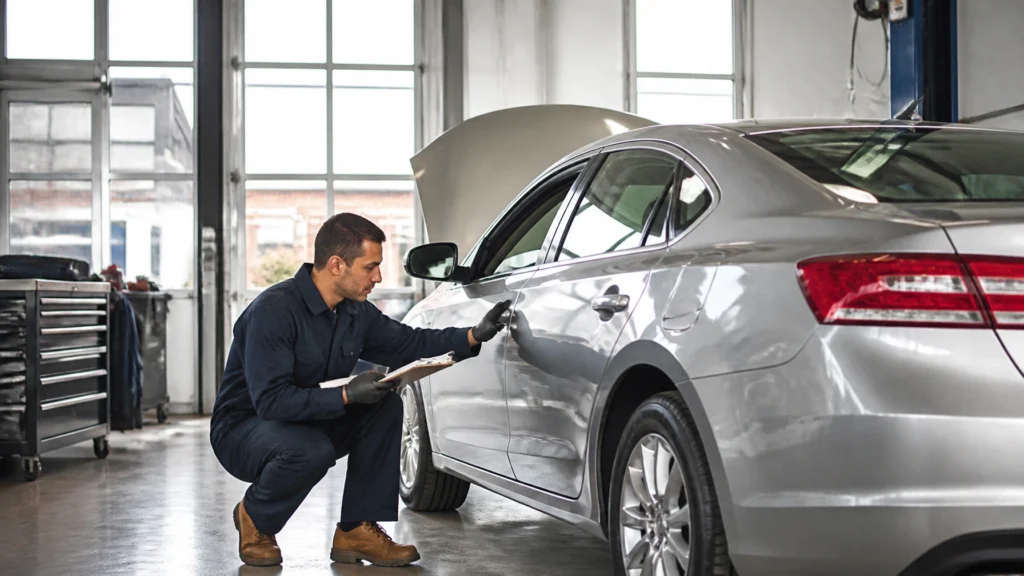
Getting into a fender bender is stressful enough, but finding the right place to fix your car can feel like a second accident waiting to happen. Whether it’s a shopping cart ding or a serious collision on the Brooklyn-Queens Expressway, your vehicle is one of your biggest investments. You want it back to looking: and driving: like new. Unfortunately, many drivers fall into common traps that end up costing more money, compromising safety, and killing the car’s resale value. At 770 Auto Service, we believe in total transparency. We’ve seen it all, and we want to help you avoid the pitfalls. Here are seven common mistakes people make with auto body repairs and exactly how you can avoid them. 1. Chasing the Lowest Estimate We get it: Brooklyn is expensive, and everyone wants to save a buck. But when it comes to auto body repair services, the “cheap” option often becomes the most expensive one in the long run. A cut-rate estimate usually means the shop is cutting corners elsewhere. This could mean using low-quality materials, skipping necessary prep work, or hiring inexperienced labor. If one shop quotes you $500 and another quotes $1,500, ask yourself why. Usually, the cheaper shop isn’t including “hidden” steps like blending the paint into the next panel or properly resetting safety sensors. How to fix it: Don’t just look at the bottom line. Compare the line items. A good shop will explain why a certain part or process is necessary. Remember, quality workmanship is an investment in your car’s longevity. 2. Ignoring the “Invisible” Frame Damage After an accident, most people focus on the dented door or the cracked bumper. But the most dangerous damage is often what you can’t see. Your car’s frame (or unibody) is its skeleton. If it’s slightly bent or misaligned, the car won’t track straight, tires will wear out in weeks, and: most importantly: it won’t protect you properly in another crash. If you notice your car “pulling” to one side or hear weird creaking sounds when you turn, you might have structural issues. How to fix it: Insist on a frame inspection. A professional auto body shop in Brooklyn should use specialized measuring systems to ensure the frame is back to factory specifications. If a shop tells you “it looks straight enough,” it’s time to find a new shop. 3. Forgetting About ADAS and Safety Sensors Modern cars are basically computers on wheels. Your bumpers and windshields are packed with Advanced Driver Assistance Systems (ADAS): things like parking sensors, blind-spot monitors, and automatic braking cameras. A common mistake is assuming that once the bumper looks pretty again, the job is done. If those sensors aren’t recalibrated using specific diagnostic tools, they might not fire when you actually need them. How to fix it: Ask the shop if your car requires ADAS calibration. At 770 Auto Service, we treat the tech inside your car with as much care as the metal on the outside. We make sure all your safety systems are talking to each other correctly before you drive off. 4. Not Asking About the Type of Parts Used Not all car parts are created equal. You generally have three choices: OEM (Original Equipment Manufacturer): Made by the company that built your car. They fit perfectly. Aftermarket: Made by a third party. They are cheaper but can sometimes have fitment or quality issues. Recycled/Used: Genuine parts taken from a donor vehicle. Many shops will default to the cheapest aftermarket parts to keep their margins high or to please an insurance company. This can lead to panels that don’t quite line up or “ghost” rattles that drive you crazy. How to fix it: Ask for a parts list. If you are paying for high-quality repairs, you should know exactly what is going under the hood or onto the chassis. 5. Letting the Insurance Company Call All the Shots Your insurance company might “strongly suggest” a specific “preferred” shop. While these shops can be fine, remember that you have the legal right to choose any repair shop you trust. The insurance company’s priority is often minimizing the cost of the claim. Our priority at 770 Auto Service is the safety and quality of your vehicle. Sometimes those two goals don’t align perfectly. How to fix it: Choose a shop based on its reputation and your gut feeling, not just because an adjuster gave you a name. We work with all major insurance companies, but we work for you. 6. Skipping the “Daylight” Inspection You’ve been without your car for a week, and you just want to get back on the road. You pick up the car at 6:00 PM, it looks shiny under the shop lights, you sign the papers, and you leave. Then, the next morning in the bright Brooklyn sun, you realize the new door is a slightly different shade of silver than the rest of the car. Or maybe there’s “overspray” (tiny dots of paint) on your windows. How to fix it: Always inspect your car in natural sunlight before you drive away. Look at the “gaps” between panels: they should be even and consistent. Check that the doors, hood, and trunk open and close smoothly without catching. 7. Not Getting a Written Warranty Auto body work is an art and a science. Sometimes, months down the line, paint might start to peel or a clear coat might get cloudy because it wasn’t cured properly. If you don’t have a written warranty, you’re stuck paying for the fix twice. How to fix it: Any honest mechanic or body shop should stand behind their work. Ask for a written warranty that covers both the parts and the labor. It gives you peace of mind that the job was done right the first time. Keeping Your Car: and Your Investment: Safe At the end of the day, auto body repair is about more than just aesthetics. It’s about restoring the safety and integrity of the vehicle that carries
Looking For Collision Repair in Brooklyn? Here Are 10 Things You Should Know About ADAS Calibration

If you’ve driven around Brooklyn lately, you know the drill. Between the tight parallel parking on Bedford Avenue and the stop-and-go chaos of the BQE, our cars take a beating. Maybe someone backed into your bumper while you were grabbing a coffee, or perhaps a stray shopping cart left a nasty reminder of its visit. In the old days, collision repair in Brooklyn was mostly about “bang and paint.” You fixed the metal, matched the color, and sent the driver on their way. But today, your car is essentially a high-powered computer on wheels. Beneath that shiny new bumper or behind that fresh windshield is a network of “eyes and ears” known as ADAS (Advanced Driver Assistance Systems). If these systems aren’t recalibrated after a repair, your car might look perfect, but it won’t act right. It might beep at shadows, pull toward the curb, or: worst-case scenario: fail to brake when a cyclist swerves in front of you. At 770 Auto Service, we believe in total transparency. That’s why we’ve put together this guide on the 10 things every Brooklyn driver needs to know about ADAS calibration. 1. ADAS is the “Brain and Eyes” of Your Vehicle Before we talk about fixing it, let’s talk about what it is. ADAS includes features you likely use every single day without thinking: lane departure warnings, automatic emergency braking, adaptive cruise control, and blind-spot monitoring. These systems rely on cameras (usually behind the rearview mirror) and radar/ultrasonic sensors (tucked into the bumpers and grilles). Think of it like this: the sensors are the eyes, and the car’s computer is the brain. If the eyes are slightly cross-eyed after a bump, the brain gets the wrong information. Calibration is the process of “correcting the vision” so your car sees the road exactly as it is. 2. A Tiny Shift Can Lead to a Massive Error Precision is the name of the game here. We aren’t talking about inches; we’re talking about millimeters. If a radar sensor in your front bumper is knocked off by just one single degree, it might seem like nothing when you’re looking at the car in your driveway. However, that one-degree error translates to being off by several feet once that radar beam travels 40 or 50 yards down the road. This means your car might think the car in the lane next to you is actually directly in front of you, leading to a sudden, jarring “ghost braking” event that could cause a rear-end collision. 3. The Windshield Connection Many drivers are surprised to learn that replacing a windshield often requires ADAS calibration. Most modern cars have a forward-facing camera mounted right against the glass. When that glass is replaced, even the tiniest variation in the thickness or position of the new windshield can change the camera’s field of view. If that camera is aiming just a hair too high or too low, your lane-keep assist won’t know where the lines on the road are. In a place like Brooklyn, where lane markings are sometimes a “suggestion” anyway, you need every bit of help your sensors can provide. 4. Bumper Repairs Are Never “Just Cosmetic” Back in the day, a cracked bumper was just an eyesore. Now, the bumper is a protective housing for expensive radar units. Even if the plastic looks fine after a low-speed “tap” in a parking garage, the brackets holding those sensors behind the scenes might be bent. Whenever we perform collision repair in Brooklyn that involves removing or replacing a bumper, we have to verify that the sensors are still pointing where the manufacturer intended. Ignoring this is like wearing glasses with one lens popped out: you might see okay, but your depth perception is going to be a mess. 5. Static vs. Dynamic Calibration: You Might Need Both There are two main ways we “teach” your car how to see again: Static Calibration: This happens inside our shop. We use specialized boards with specific patterns (targets) and laser levels. The car “looks” at these targets, and we tell the computer exactly where they are. Dynamic Calibration: This involves a road test. A technician drives the vehicle at a specific speed on relatively straight roads with clear markings so the car can “learn” its environment. Some cars require one, some require the other, and many modern luxury vehicles require both to be 100% sure the system is safe. 6. Wheel Alignments and Suspensions Matter It sounds strange, but getting suspension repair or a wheel alignment can actually throw off your ADAS. Why? Because the sensors are calibrated based on the car’s “thrust line”: the direction the rear wheels are pointing. If your car is “dog-tracking” (driving slightly sideways) because of a bad alignment, the cameras will be looking in the wrong direction relative to where the car is actually moving. Whenever we do major suspension work, we always check if a reset of the steering angle sensor or ADAS is necessary. 7. The Danger of “Ghost Braking” One of the most common signs of a miscalibrated system is “ghost braking.” This is that terrifying moment when your car slams on the brakes for no apparent reason. It usually happens because the car’s radar “sees” an overhead sign, a bridge, or a car in another lane and thinks it’s a solid object directly in your path. In heavy Brooklyn traffic, a ghost braking event isn’t just a nuisance; it’s a major safety hazard. Proper calibration during the collision repair process prevents this from happening. 8. It Requires Specialized Tools, Not Just a Scanner A lot of people think you can just plug in a diagnostic tool and hit “reset” to fix ADAS issues. We wish it were that simple! True ADAS calibration requires expensive, manufacturer-specific hardware: things like digital targets, wheel-mounted lasers, and specialized software that talks directly to your car’s central nervous system. If a shop tells you they “checked the sensors” but they don’t have the space or the equipment for
Repairing Your Current Car vs. Buying Used: Which Is Better For Your Brooklyn Commute?
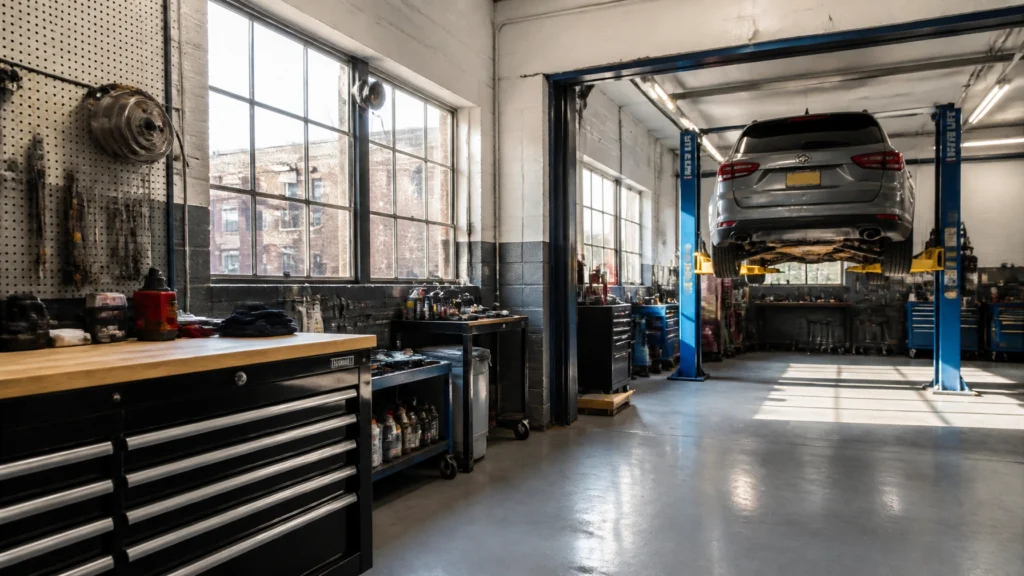
If you drive in Brooklyn, you know the struggle. Between the “suspension-testing” potholes on the BQE and the stop-and-go grind of Atlantic Avenue, your car takes a beating that most suburban vehicles will never understand. Eventually, every Brooklyn driver hits that moment of truth: you’re sitting at a red light, hearing a new rhythmic thump-thump or seeing a check engine light flicker on, and you wonder, “Is it time to let this one go?” The debate between repairing your current car and buying a used one is more complicated in 2026 than it used to be. Used car prices have stayed stubbornly high, and interest rates for auto loans aren’t exactly doing us any favors. On the flip side, the cost of parts and labor for major repairs has also risen. At 770 Auto Service, we see this dilemma every day. Our customers want the truth: is it cheaper to keep the “devil you know” or roll the dice on something “new-to-you”? Let’s break down the real-world math for a Brooklyn commute. The 2026 Reality Check: Used Car Prices vs. Repair Bills To make a smart choice, we have to look at the numbers. As of 2026, the average used car price in the U.S. is hovering around $26,000. If you’re financing that car, you’re likely looking at a monthly payment of about $525. Over the course of a year, that’s $6,300 just in loan payments: and that doesn’t include the higher insurance premiums that come with a newer vehicle or the NYC sales tax you’ll pay at the dealership. Now, compare that to keeping your current, paid-off car. Even if you hit a “scary” repair: say, a transmission issue or a major suspension repair costing $4,000: that one-time hit is still less than eight months of car payments on a “new” used car. Most drivers who choose to keep their older cars spend an average of $1,200 to $1,800 a year on general car maintenance and occasional repairs. In Brooklyn terms, that’s about $100 to $150 a month. Compare that to a $525 car payment, and the “keep it and fix it” strategy wins the financial battle by a landslide almost every time. The Three-Year Rule: Which Path Costs Less? When we talk to our neighbors here in the shop, we like to look at a three-year horizon. Why three years? Because it’s long enough to see if a big repair actually “pays for itself” through continued service. Scenario A: Keep and Repair Imagine your current car needs $3,500 in work today to pass its NYS Inspection and handle the winter. For the next two years, you spend another $1,000 each year on routine things like brake pad replacement and oil changes. Total 3-Year Cost: $5,500 Monthly Equivalent: ~$153/month Scenario B: Buying a Used Car in Brooklyn You find a reliable used SUV for $25,000. You put a down payment, but your monthly bill is still $500. Over three years, you pay $18,000 in loan payments. You still have to maintain it, so add another $3,000 for tires, oil, and minor fixes over those three years. Total 3-Year Cost: $21,000 Monthly Equivalent: ~$583/month In this scenario, keeping your current car saves you over $15,000. That’s a lot of trips to Junior’s Cheesecake or, more realistically, a significant chunk of rent in this city. When Repairing Your Car Stops Making Sense While the math often favors repairing, there is a “tipping point.” We never want to see our customers pouring money into a “sinking ship.” Here are the three signs that it’s time to stop fixing and start shopping for a quality pre-owned vehicle: The 50% Rule: If a single repair cost is more than 50% of the car’s total market value, you’re in the danger zone. For example, if your 2012 sedan is worth $4,000 and it needs a $3,000 engine overhaul, it’s probably time to move on. Safety and Structure: If your car has significant frame rot from years of salted NYC winters or has been in a major accident that compromised its structural integrity, no amount of mechanical repair will make it truly “safe” for your family. While we specialize in auto body repair, some damage is simply too extensive to justify. The “Stranded” Factor: If your car is breaking down every other month, the financial savings don’t matter as much as the stress. If you can’t trust your car to get you across the Manhattan Bridge without overheating, the “hassle tax” becomes too high. The Hidden Brooklyn Costs: Insurance and Registration One thing many people forget when buying a used car in Brooklyn is the insurance jump. If you’re driving an older car that you own outright, you might only carry liability insurance. But when you finance a used car, the bank will require you to carry full collision and comprehensive coverage. In Brooklyn, where insurance rates are some of the highest in the country, that jump can be hundreds of dollars a month. Before you commit to a new loan, call your insurance agent and ask for a quote on the specific year, make, and model you’re looking at. You might find that the “affordable” used car is actually much more expensive once the Brooklyn zip code premium is added. Why “Brooklyn Miles” are Harder than Regular Miles We often hear people say, “But my car only has 80,000 miles!” In Brooklyn, those aren’t normal miles: they’re “dog years.” The constant idling in traffic, the rapid braking, and the extreme temperature swings mean that components like your battery, cooling system, and brakes wear out faster than they would in the suburbs. If you decide to keep your car, the secret to making it last is proactive routine maintenance. Catching a small leak today prevents a $2,000 “surprise” on the Belt Parkway next month. How We Can Help You Make the Call At 770 Auto Service, we aren’t just mechanics; we’re your neighbors. Because we offer both full mechanical repairs and a selection of quality