




Repairing vs. Total Loss: Which Is Better For Your High-Mileage Car in Brooklyn?
Every Brooklyn driver knows that “the talk.” It’s that moment when you’re standing in the garage, your trusty old sedan or SUV is up on the lift, and your mechanic starts a sentence with, “So, here’s the situation…” When you own a high-mileage car in Brooklyn, you aren’t just driving a vehicle; you’re managing a relationship. You’ve survived the BQE together, navigated the tightest parallel parking spots in Williamsburg, and braved enough potholes on Atlantic Avenue to last a lifetime. But eventually, a major repair bill: maybe for suspension work or a transmission issue: forces a tough question: Is it time to keep fixing this car, or should we call it a day and take the total loss payout? At 770 Auto Service, we see this dilemma every week. Deciding whether to invest in an older vehicle or walk away is a financial and practical tightrope. In a city where living costs are high and the roads are unforgiving, you need a strategy that makes sense for your wallet and your safety. Understanding the “Total Loss” Math in New York Before we dive into the emotional side of letting go, let’s talk about the math. Insurance companies use a specific calculation to decide if a car is a “total loss.” In New York, insurers don’t necessarily use a fixed percentage (like some states that trigger a total loss at 75% of the car’s value). Instead, they often use the Total Loss Formula (TLF). Essentially, they look at the Actual Cash Value (ACV) of your car and compare it to the estimated repair cost plus the salvage value. If the cost to fix it plus what the car could fetch at a junk auction is higher than what the car was worth before the accident or breakdown, they’ll stamp it as totaled. For a high-mileage car in Brooklyn, the ACV is usually lower than you’d like. Mileage is one of the biggest “value killers” in an appraiser’s eyes. This means even a moderate fender bender or a significant mechanical failure can quickly push an older car into total loss territory. The Brooklyn Factor: Why Repairs Often Cost More Here Living and driving in the city adds layers of complexity to this decision. Our roads are tough on vehicles. The constant stop-and-go traffic, the salt used during snowy winters, and the legendary potholes mean that a 100,000-mile car in Brooklyn has lived a much harder life than a 100,000-mile car in the suburbs. When we perform auto body work or mechanical repairs, we often find that one problem is linked to another. A high-mileage car might need a new radiator, but once we’re in there, we see the hoses are brittle and the mounting brackets are rusted from years of NYC winters. This leads to “repair creep,” where an initial $1,500 estimate grows as more issues are uncovered. If you are leaning toward repairing your vehicle, you need to ensure you’re working with a shop that provides accurate diagnostics from the start so you aren’t blindsided halfway through the job. When It Makes Sense to Repair Your High-Mileage Car It’s not always about the blue book value. Sometimes, fixing your current car is the smartest move you can make. Here is when we usually recommend staying the course: 1. The Car is Mechanically Sound Otherwise If you’ve been diligent about general car maintenance, you know exactly what you have. If the engine is strong and the transmission shifts smoothly, a $2,000 repair for a steering rack or a set of brakes is often better than the “mystery box” of buying another used car. You know your car’s history; you don’t know the history of the $5,000 car on the corner lot. 2. You Plan to Drive It into the Ground If you have no intention of selling the car in the next two or three years, its “resale value” doesn’t really matter. If a $3,000 repair keeps you on the road for another 30,000 miles, that’s essentially a $100-a-month “car payment.” You won’t find a lease or a reliable replacement for that price in today’s market. 3. The Damage is Cosmetic or Isolated If your high-mileage car was involved in a minor scrape and the damage is purely cosmetic, repairing it at an honest auto body shop can keep it looking decent and prevent rust without compromising its safety. As long as the frame isn’t bent and the airbags didn’t deploy, a repair is often the way to go. When Totaling the Car is the Better Financial Move There is a point where “sunk cost fallacy” kicks in. This is the psychological trap of thinking, “I’ve already spent $2,000 on this car this year, I might as well spend another $2,000.” Sometimes, the most honest advice we can give a customer is to let go. Here’s when a total loss (or selling it for parts) is likely the better choice: The 50% Rule: As a general rule of thumb, if the repair cost exceeds 50% of the car’s market value, it’s time to start looking at pre-owned vehicle sales. For example, if your 2012 Honda is worth $4,000 and the repair bill is $2,500, you are over-investing in a depreciating asset. Structural or Frame Damage: If a collision has compromised the frame, the car will never drive the same again. It can lead to uneven tire wear, pulling, and decreased safety in a future accident. Even with the best equipment, some frame damage just isn’t worth the risk. Persistent Electrical Gremlins: High-mileage cars often develop electrical issues that are notoriously difficult and expensive to track down. If your dashboard looks like a Christmas tree and your check engine light is a permanent fixture, you might be looking at a bottomless pit of labor costs. Safety Concerns: If the car has significant rust on the frame or the safety systems (like ABS or airbags) are failing, it’s a non-negotiable. No amount of money is worth risking a breakdown on the Brooklyn Bridge.
7 Mistakes You’re Making with Your Check Engine Light (and How an Honest Brooklyn Mechanic Fixes Them)
We’ve all been there. You’re cruising down the Belt Parkway or navigating the stop-and-go traffic on Atlantic Avenue, and suddenly, that little orange glow appears on your dashboard. It’s the check engine light. For some, it’s a heart-sinking moment of “how much is this going to cost?” For others, it’s a minor annoyance that gets covered up with a piece of electrical tape. At 770 Auto Service, we see hundreds of drivers walk through our doors every year with that same orange light shining. Some come in early, some come in when the car starts shuddering, and some come in after they’ve tried three “fixes” they saw on YouTube. The truth is, your car’s computer is trying to tell you something. But between the myths, the DIY “hacks,” and the fear of a massive repair bill, most drivers end up making mistakes that cost them more money in the long run. If you’re looking for auto repair in Brooklyn, you deserve more than just a code reader: you deserve the truth. Here are the 7 most common mistakes drivers make when that light pops up, and how we handle things differently at our shop. 1. The “Wait and See” Strategy This is the number one mistake we see. The light comes on, but the car feels fine. There’s no smoke, no grinding noises, and it still starts up every morning. So, you decide to wait. Maybe it’ll just go away? The problem is that the check engine light (technically called the Malfunction Indicator Lamp) rarely “fixes” itself. Often, it’s triggered by a sensor that’s starting to fail or a small leak in the emissions system. By ignoring it, you’re potentially turning a $150 sensor replacement into a $1,500 catalytic converter job. At 770 Auto Service, we always tell our neighbors: don’t wait until the car stops running to find out what’s wrong. Check engine light diagnostics are the best way to catch a small problem before it becomes a Brooklyn-sized headache. 2. Assuming It’s “Just the Gas Cap” You’ve probably heard the tip: “If the check engine light comes on, just tighten your gas cap.” While it’s true that a loose or faulty gas cap can trigger the light (because it’s part of the evaporative emissions system), it’s not the magic fix for every car. We’ve seen drivers buy three different gas caps from the local auto parts store, only to find out the light is actually on because of a vacuum leak or a failing O2 sensor. Check your cap, sure: make sure it clicks: but don’t bet the farm on it. If the light stays on after a few drives, there’s something else going on under the hood. 3. Clearing the Codes and Crossing Your Fingers In the age of cheap OBD-II scanners you can buy online, many drivers think they’ve outsmarted the system. They plug in the tool, hit “clear,” and celebrate when the light disappears. Here’s the catch: clearing the code doesn’t fix the car. It just erases the computer’s memory of the fault. Within a few miles: or as soon as the computer runs its “readiness monitors”: the light will pop right back on. Even worse, if you try this right before a NYS inspection, you’ll fail anyway because the computer will show “not ready.” An honest mechanic in Brooklyn will tell you that the code is just a symptom. You have to treat the disease, not just hide the fever. 4. Firing the “Parts Cannon” This is what happens when a driver (or a less-than-honest shop) sees a trouble code and immediately starts throwing parts at it. For example, a code P0300 means “Random/Multiple Cylinder Misfire.” A lot of people see that and immediately buy new spark plugs, then new ignition coils, then maybe a new fuel injector. Before you know it, you’ve spent $600 on parts and the light is still on. Why? Because a misfire could be caused by anything from a bad ground wire to a vacuum leak or even low engine compression. At 770 Auto Service, we don’t guess. We use advanced diagnostic tools to pinpoint exactly which component is failing. We believe in “test, don’t guess,” which keeps your hard-earned money in your pocket. 5. Ignoring a Flashing Light Most of the time, the check engine light is solid. That means “get me checked out soon.” But if that light starts flashing, that is the car’s way of screaming at you. A flashing light usually indicates a severe misfire that is dumping raw fuel into your exhaust. This can overheat your catalytic converter to the point of melting in just a few minutes. If you see a flashing light while driving through Brooklyn, pull over safely and get a tow. Driving with a flashing CEL is the fastest way to turn a repairable car into a “total loss” candidate. 6. Waiting Until Inspection Month In New York, you can’t pass your annual safety and emissions inspection if that light is on. We often see a rush of customers in the last week of the month, frantic because their registration is about to expire and the light just won’t go off. The problem? Some repairs require a “drive cycle” to reset the computer, which can take several days of specific driving conditions. If you wait until the last minute, you might find yourself driving on expired tags while we wait for the car’s computer to finish its self-tests. General car maintenance should be a year-round habit, not a last-minute panic. 7. Falling for the “Free Code Scan” Trap Many big-box auto parts stores offer a “free code scan.” It sounds like a great deal, but it’s often a trap. Those scanners give you a code (like P0420), and the salesperson immediately hands you a $400 catalytic converter to buy. But a P0420 code doesn’t always mean the converter is bad; it could be a faulty sensor or an exhaust leak before the converter. A code scan is not a
Do You Really Need a New Clutch? Here’s the Truth About the Average Cost for Clutch Replacement
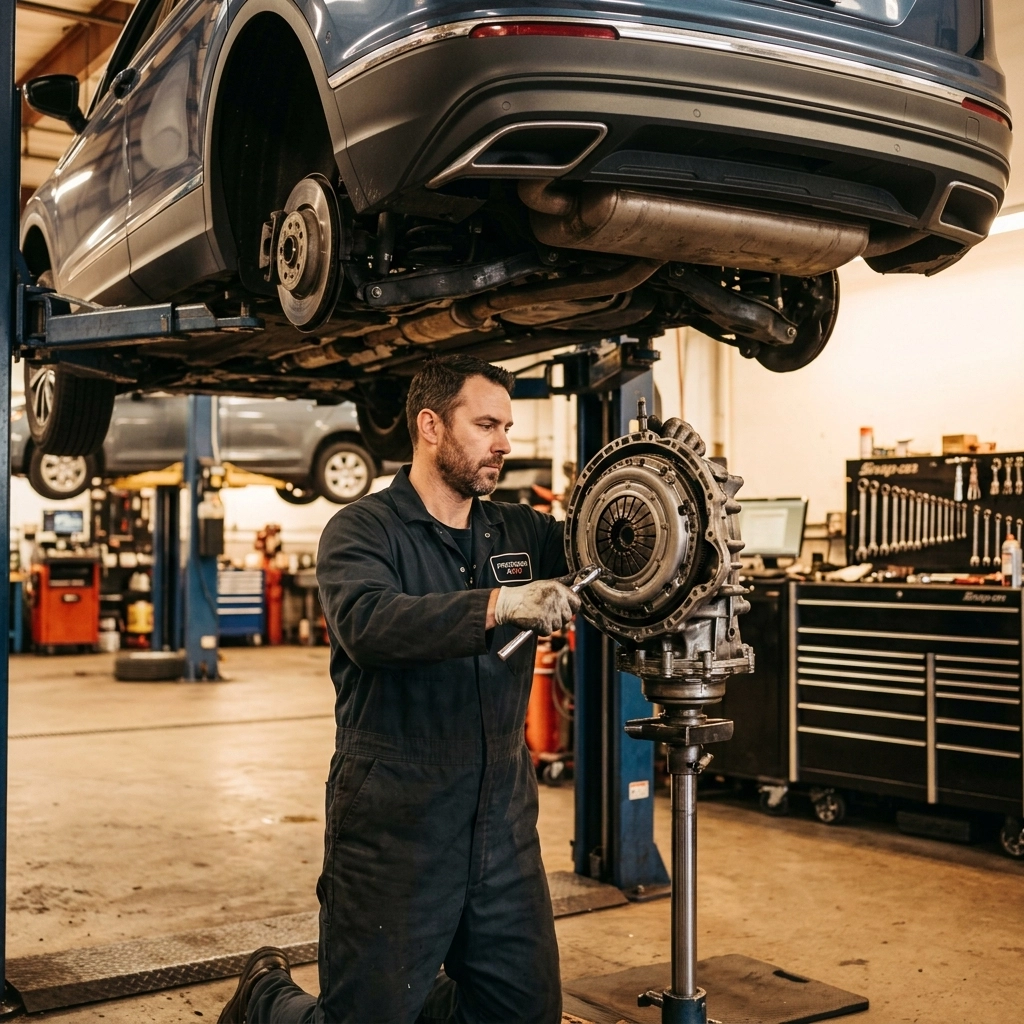
You’re sitting at a red light on a busy Brooklyn afternoon. The light turns green, you shift into first, and… nothing. Or rather, something happens, but it isn’t the smooth forward motion you’re used to. Maybe the engine revs high while the car barely crawls, or perhaps there’s a distinct smell, something like burnt toast or scorched rubber, wafting through the vents. If you drive a manual transmission, that sinking feeling in your stomach is usually followed by one nagging question: “How much is this going to cost me?” At 770 Auto Service, we believe that the best customer is an informed one. We’ve seen the panic in drivers’ eyes when they think their transmission is toast. The truth is, while a clutch replacement is a significant job, it isn’t a mystery. Understanding the average cost for clutch replacement and knowing how to spot the early warning signs can shift you from a state of worry into a state of control. Is Your Clutch Actually Failing? (The Sensory Guide) Before we talk numbers, let’s figure out if you actually need to spend the money. A clutch doesn’t usually just “die” without warning. It sends out distress signals long before it leaves you stranded. Think of it like your body: a persistent cough usually precedes a full-blown flu. Here are the sensory cues your car is giving you: The “Slipping” Sensation: You press the gas, the RPMs climb, but your speed doesn’t match the engine’s roar. It feels like the power isn’t reaching the wheels. This is the most common sign that the friction material on your clutch disc is worn thin. The Burnt Smell: That acrid, “sweet” yet scorched scent is the smell of friction material overheating. If you smell this after a hill start or heavy traffic, your clutch is literally burning up. The “Spongy” or “Stiff” Pedal: Does the clutch pedal feel like you’re stepping on a marshmallow? Or does it require a gym-level leg workout to push down? Changes in pedal resistance often point to issues with the pressure plate or hydraulic system. The Dreaded “Chirp” or “Grind”: If you hear a squealing noise that goes away when you press the pedal, your throw-out bearing might be crying for help. If it grinds when shifting, the clutch might not be fully disengaging. If you’re noticing these issues, it’s a good idea to check out our general car maintenance guide to see how these symptoms fit into your car’s overall health. Breaking Down the Average Cost for Clutch Replacement Let’s get straight to the point. When you start searching for the average cost for clutch replacement, you’ll see a wide range. Generally, for most vehicles on the road today, you can expect to pay somewhere between $1,200 and $1,500. However, “average” is a broad term. Depending on what you drive and how much damage has been done, that range can stretch from as low as $750 for a small economy car to upwards of $2,500 for high-performance or luxury European models. Why Is It So Expensive? (The Labor vs. Parts Reality) The “sticker shock” of a clutch job usually comes from the labor, not necessarily the parts. In fact, labor often accounts for 50% to 70% of your total bill. To replace a clutch, a technician has to physically separate the transmission from the engine. This is a complex, heavy, and time-consuming process that can take anywhere from four to eight hours of intense labor. In a city like New York, where shop rates reflect the cost of doing business, those hours add up. Average Breakdown: Parts: $400 – $900 (Clutch kit, including disc, pressure plate, and bearings). Labor: $600 – $1,200 (Varies by vehicle complexity). For a deeper dive into these specific price points, you can read more on our dedicated clutch replacement cost page. Costs Based on What You Drive Not all clutches are created equal. If you’re driving a nimble commuter car, your wallet will breathe easier than if you’re hauling loads in a heavy-duty truck. Vehicle Category Estimated Total Cost Economy Cars (e.g., Honda Civic, Toyota Corolla) $700 – $1,100 Midsize Sedans (e.g., Nissan Altima, Ford Fusion) $900 – $1,400 Trucks & SUVs (e.g., Ford F-150, Jeep Wrangler) $1,100 – $1,800 Luxury/European (e.g., BMW, Audi, Mercedes) $1,500 – $2,800 If you have a modern “automatic” that actually uses a Dual-Clutch Transmission (DCT) or DSG system, be prepared for a different conversation. These systems are significantly more complex and can easily push repair costs into the $3,000+ range. The “While You’re In There” Expenses When we have your car on the lift and the transmission is out, it is the most honest time to look at related parts. It might seem like we’re adding to the bill, but we’re actually trying to save you from paying that massive labor charge twice. The Flywheel ($200 – $800): This is the metal disc the clutch grabs onto. If it’s warped or heat-cracked, a new clutch won’t help for long. Resurfacing or replacing it is standard practice. Rear Main Seal ($30 – $100 for the part): This is a small rubber seal on the back of the engine. If it leaks oil onto your brand-new clutch, it will ruin it instantly. Since the transmission is already off, changing this seal is a “no-brainer” for long-term reliability. Master and Slave Cylinders ($150 – $400): These are the hydraulic components that move the clutch. If your pedal feels weird, these might be the real culprits. Ignoring these can lead to problems after clutch replacement, which is the last thing any driver wants. DIY vs. Professional Help: Is it Worth the Risk? We love a good DIY project as much as anyone. However, clutch replacement is a “Level 4” automotive repair. It requires transmission jacks, engine supports, and often, specialized alignment tools. If you attempt this at home, you’re looking at 10–12 hours of work if everything goes perfectly. If a bolt snaps or the transmission doesn’t line up, you’re
Are You Making These Common Oil Change Mistakes? (How to Save Money in Brooklyn)
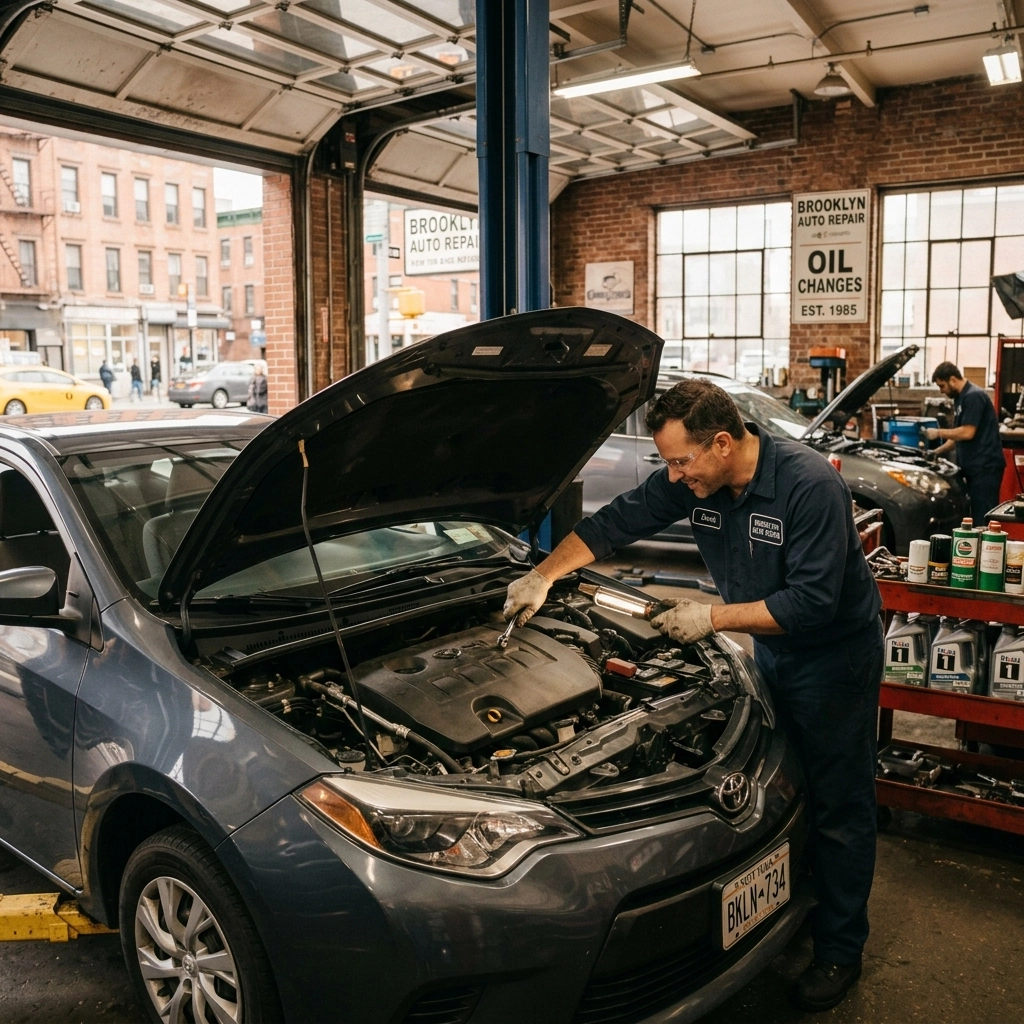
Driving in Brooklyn isn’t exactly a Sunday cruise through the countryside. Between the stop-and-go traffic on the BQE, the endless search for street parking, and the potholes that feel like they could swallow a compact car whole, your vehicle takes a beating. In this environment, the humble oil change is the single most important thing you can do to keep your car running. It’s like the “blood” of your engine: it keeps parts moving smoothly, reduces heat, and carries away gunk. But here’s the thing: even though it seems like a basic task, there are a lot of common mistakes that can turn a simple $50 maintenance job into a $5,000 engine replacement. At 770 Auto Service, we believe in being honest with our neighbors. We’ve seen it all, and we want to help you avoid the pitfalls that drain your wallet. If you’re looking for a reliable oil change in Brooklyn, knowing these mistakes will help you stay in control of your car’s health. 1. The “Cold Drain” Blunder Many DIY-ers and even some rushed shops make the mistake of draining the oil while the engine is stone-cold. Think about maple syrup in the fridge versus syrup you’ve warmed up for your pancakes. When oil is cold, it’s thick and sluggish. It sticks to the walls of the engine and holds onto all those nasty contaminants you’re trying to get rid of. If you drain the oil when it’s cold, a good portion of the old, dirty stuff stays trapped inside. To do it right, you need to run your vehicle for 5 to 10 minutes until it reaches its normal operating temperature. This thins the oil out, allowing it to flow freely and take the debris with it. 2. Playing “Viscosity Roulette” “Oil is just oil, right?” Not even close. Your engine was designed with very specific tolerances. The engineers who built it spent thousands of hours determining exactly which thickness (viscosity) is needed to protect the moving parts. Using the wrong oil: like putting 10W-40 in an engine that calls for 0W-20: can lead to increased wear, lower fuel efficiency, and eventually, mechanical failure. In the extreme cold of a Brooklyn winter, the wrong oil might be too thick to move during a cold start, leaving your engine parts grinding against each other without lubrication. Always check your owner’s manual or look at the oil cap under your hood. If you’re unsure, our team at 770 Auto Service can help you identify exactly what your car needs to thrive in our local climate. 3. The Forgotten Filter If you’ve ever tried to save $10 by skipping the oil filter replacement, you’re essentially pouring clean water into a glass that’s filled with mud. A clogged or dirty filter limits the flow of oil. When the filter gets too full of debris, a bypass valve opens to ensure the engine still gets oil: but that oil is now completely unfiltered. Fresh oil is great, but it can’t do its job if it’s constantly circulating through a “trash bag” of old metal shavings and carbon. Every single car service checklist should include a high-quality filter replacement. At our shop, we never skip this step because we know it’s the key to engine longevity. 4. Overtightening the Drain Plug (The “Hulk” Grip) There’s a natural instinct to want to make sure the drain plug is “extra tight” so it doesn’t leak. However, overtightening is a recipe for disaster. The oil pan is often made of relatively soft aluminum. If you crank down on that plug with all your might, you can strip the threads or even crack the pan. The pro tip? Tighten it finger-tight until the gasket touches the surface, then give it roughly a quarter turn with a wrench. It’s also vital to replace the copper or aluminum washer (the gasket) at every change. These are designed to crush slightly to create a perfect seal; once they’ve been used, they don’t seal as well the second time. 5. Skipping the Post-Change Dipstick Check Whether you did the work yourself or took it to a shop, never assume the level is perfect immediately. Even professional technicians can occasionally underfill or overfill. After the oil is changed, you should: Start the engine and let it run for a minute to allow the new oil to cycle through all the nooks and crannies. Park on a flat surface and turn the engine off. Wait 3-5 minutes for the oil to settle back into the pan. Pull the dipstick, wipe it, reinsert it, and check that the level is between the “min” and “max” marks. Running an engine with too little oil causes friction and overheating. Running it with too much can cause “foaming,” where the crankshaft whips the oil into a froth that can’t lubricate properly. Both lead to the dreaded check engine light and potential damage. How to Save Money on Your Brooklyn Oil Change We get it: Brooklyn is expensive. Between rent, groceries, and tolls, the last thing you want is another big bill. But trying to save $20 today by skipping an oil change can cost you $2,000 in repairs next year. Here is how to actually save money: Follow the “Severe Service” Schedule Most manuals list two maintenance schedules: “Normal” and “Severe.” Because of Brooklyn’s heavy traffic, short trips (which don’t allow the engine to fully warm up), and extreme temperature swings, almost all NYC driving qualifies as “Severe.” Changing your oil slightly more frequently than the “Normal” recommendation prevents the sludge buildup that kills engines. Look for Specials Before you book, check out our specials page. We often run promotions to help our local community keep their cars in top shape without breaking the bank. Don’t Ignore the Small Stuff A routine oil change is the best time for a professional to spot other issues before they become emergencies. During a visit to 770 Auto Service, we might notice a frayed timing belt or a failing
All-Weather vs. All-Season Tires: Which Is Better for Brooklyn Drivers?

If you live in Brooklyn, your car isn’t just a vehicle, it’s a survival pod. Between dodging delivery scooters on Bedford Avenue, white-knuckling it over the Verrazzano, and praying your suspension survives the craters on the BQE, your tires go through a lot. But here is the thing: most people walk into a tire shop in Brooklyn and ask for “all-season” tires because the name implies they’re good for, well, all seasons. It sounds like a no-brainer, right? Unfortunately, in the world of automotive marketing, “all-season” is a bit of a misnomer when it comes to New York winters. At 770 Auto Service, we believe in being honest with our neighbors. We’ve seen too many cars slide into curbs during a February slush-storm because they had the wrong rubber on the road. Today, we’re breaking down the real difference between All-Season and All-Weather tires, and why one of them is almost certainly the better choice for your Brooklyn commute. The 45-Degree Rule: Why Your Rubber Matters Before we get into the tread patterns and fancy names, we need to talk about chemistry. Tires aren’t just “round and black.” They are made of complex rubber compounds designed to perform at specific temperatures. Think of it like a stick of butter. When it’s warm out, butter is soft and spreadable. When you put it in the fridge, it gets rock hard. Tire rubber is the same. All-Season tires are designed to stay flexible in a wide range of temperatures, but they have a breaking point: 45 degrees Fahrenheit. Once the temperature in Brooklyn drops below 45 degrees: which happens for about five months of the year: the rubber in all-season tires begins to harden. When rubber gets hard, it loses its “grip.” It can’t bite into the pavement, and your stopping distance gets longer. All-Weather tires, on the other hand, use a specialized compound that stays soft and “grippy” even when the thermometer hits freezing. This is the secret sauce that keeps you from sliding when you’re trying to stop at a red light on a slick Atlantic Avenue. What Exactly Are All-Season Tires? Don’t get us wrong; all-season tires are great, but they should really be called “Three-Season Tires.” They are built to handle: Dry pavement in the summer. Heavy rain and hydroplaning resistance in the spring. Mild temperatures in the fall. They are designed for long tread life and a quiet ride. If you lived in South Carolina, they would be perfect. But in Brooklyn? When we get that heavy, wet snow followed by a flash freeze, all-season tires act like hockey pucks. They lack the deep grooves and “sipes” (tiny slits in the tread) needed to move snow out of the way and grab onto ice. If you’re sticking with all-seasons, you really should consider a dedicated set of winter tires for the months of December through March. But let’s be real: who has space in a Brooklyn apartment to store four extra tires? Enter the All-Weather Tire: The Brooklyn Middle Ground This is where the All-Weather tire comes in. Think of it as the hybrid athlete of the tire world. It’s a relatively new category that combines the best parts of a summer tire and a winter tire. The biggest visual difference? Look for the Three-Peak Mountain Snowflake (3PMSF) symbol on the sidewall. Unlike All-Season tires, which usually just have an “M+S” (Mud and Snow) rating, All-Weather tires are officially certified for “severe snow service.” This means they’ve been tested to ensure they can actually stop and turn on packed snow. For a Brooklyn driver, this is a game-changer. You get the convenience of one set of tires all year round, but you get the safety of a winter tire when a Nor’easter decides to bury your street in six inches of white stuff. Comparing the Two: Side-by-Side If you’re weighing your options at your favorite mechanic in Brooklyn, here’s the quick breakdown: Feature All-Season Tires All-Weather Tires Best Temperature Above 45°F All Temperatures Snow Performance Light dusting only Heavy snow & slush Ice Grip Poor Good Tread Life Longer (60k+ miles) Slightly shorter (40k-50k miles) Road Noise Very Quiet Quiet to Moderate Certification M+S (Mud & Snow) 3-Peak Mountain Snowflake Why Brooklyn Drivers Specifically Need All-Weather Driving in the city isn’t like driving in the suburbs. We have unique challenges that make tire choice even more critical. 1. The Stop-and-Go Factor Brooklyn driving is constant braking. Whether it’s a pedestrian stepping out between parked cars or a yellow cab cutting you off, you need immediate bite. In cold weather, All-Weather tires provide significantly shorter stopping distances than All-Seasons. That extra 10 feet could be the difference between a close call and a trip to our auto body repair services. 2. The Pothole Nightmare Let’s talk about those craters. A cold, hardened All-Season tire doesn’t absorb impact well. When you hit a pothole with a “frozen” tire, the energy is transferred directly to your rim and your suspension. A softer All-Weather compound has a bit more “give,” which can sometimes be the grace note that saves you from a suspension repair. 3. The “Unplowed Street” Reality If you live on a side street in Bushwick or South Brooklyn, you know that the plows don’t always get to you right away. All-Season tires will leave you spinning your wheels and digging for a shovel. All-Weather tires have aggressive tread blocks that “chunk” through the slush, helping you get out of your parking spot without a cardiovascular workout. Is There a Catch? We promised to be an honest auto repair shop in Brooklyn, so here’s the trade-off: All-Weather tires usually wear out a little faster than All-Seasons. Because the rubber is softer, it can wear down more quickly during those scorching July days on the Belt Parkway. However, we always ask our customers: what’s more expensive? Replacing your tires 10,000 miles sooner, or paying an insurance deductible because you couldn’t stop on an icy patch of the BQE? For
The Ultimate Guide to Buying a Used Car in Brooklyn: Everything You Need to Know

Let’s be real: buying a car in Brooklyn is a whole different beast than buying one anywhere else. Between the tight parallel parking spots that require the precision of a surgeon and the potholes that look like they could swallow a subcompact whole, your vehicle needs to be tough. But finding that “tough” vehicle without getting scammed? That’s the hard part. Whether you’re looking for a reliable commuter to get you over the Verrazzano or a weekend getaway ride, navigating the world of used cars in Brooklyn can feel like walking through a minefield. At 770 Auto Service, we’ve seen it all. We’ve seen the “pristine” sedans that were actually underwater during the last big storm, and we’ve seen the “great deals” that ended up needing thousands in suspension repairs within a week. We’re here to give you the honest truth. Think of this guide as your roadmap to getting a car that won’t let you down. 1. Start with a “Brooklyn Budget” (It’s Not Just the Sticker Price) When people think about budgeting for a car, they usually just look at the monthly payment or the total cash price. In Brooklyn, that’s a rookie mistake. Buying the car is just the beginning of the “subscription” to owning a vehicle in the city. Before you even look at a listing, factor in: Insurance: NYC rates are famously high. Get a quote before you buy. Parking: Unless you have a driveway (lucky you!), you’re looking at garage fees or the “cost” of your time spent circling the block for alternate side parking. The “Pothole Fund”: Let’s be honest, your tires and alignment are going to take a beating. Maintenance: Older cars need love. We recommend setting aside a little every month for general car maintenance so a surprise repair doesn’t ruin your month. 2. Choose the Right “Urban Warrior” Not every car is built for Brooklyn life. That massive heavy-duty pickup might look cool, but have you tried parking it on 5th Ave in Park Slope? When searching for used cars in Brooklyn, keep these urban-specific needs in mind: Size Matters: Compact SUVs and hatchbacks are king. They offer enough clearance for those high curbs but are short enough to fit into that “is that a spot?” space. Fuel Efficiency: City driving is mostly stop-and-go. Hybrids are fantastic because they don’t waste fuel while you’re sitting in BQE traffic. Reliability: Stick to brands known for longevity. Honda and Toyota are popular for a reason: they handle the abuse of city driving better than most. 3. The Paperwork: Trust, But Verify You find a car. It looks shiny. The seller seems nice. Do you buy it? Not yet. A vehicle history report (like Carfax or AutoCheck) is your best friend. It’s like a background check for a first date. It’ll tell you if the car has been in a major accident, if the odometer has been rolled back, or if it has a “salvage” title. If a seller refuses to show you a report or get defensive when you ask for the VIN, that’s a “dreaded click”: the sound of a deal you should walk away from immediately. Also, check for a valid NYS inspection sticker. If it’s expired, that’s a red flag that the car might have issues passing the state’s safety and emissions standards. 4. The Pre-Purchase Inspection: Your Secret Weapon This is the most important advice we can give you: Never buy a used car without having a professional mechanic in Brooklyn look at it first. A seller can spray some “new car smell” and shine the tires, but they can’t hide a leaking head gasket or a rusted-out frame from a pro. At 770 Auto Service, we perform thorough pre-purchase inspections. We’ll look at things you might miss, like: The “Sweet Smell”: Could indicate a coolant leak. The “Squeal”: Worn belts or brake issues. The “Grind”: Transmission or wheel bearing problems. If a dealer or private seller won’t let you take the car to an independent shop for an inspection, walk away. It’s the biggest red flag in the business. A few hundred dollars for an inspection can save you thousands in auto repair costs later. 5. The Test Drive: Listen with Your Soul When you get behind the wheel, turn off the radio. You want to hear the car, not the latest hits. Feel the Shifts: Does the transmission shift smoothly, or is there a hesitation or a “clunk”? Test the Brakes: Do they feel firm, or is the pedal “squishy”? (If it’s squishy, you might need a brake inspection). Check the Electronics: Every window, every light, and every knob. Replacing a faulty infotainment system can be surprisingly expensive. Drive on a Rough Road: Brooklyn has plenty of them. Listen for rattles or bangs in the suspension. 6. Negotiation: Keep Your Cool Negotiating isn’t about winning; it’s about finding a fair price. Know the Value: Use Kelley Blue Book or Edmunds to see what similar cars are selling for. Focus on the “Out-the-Door” Price: This includes taxes, registration, and any “doc fees.” Don’t just focus on the sticker price. Use the Inspection Report: If our mechanics find that the car needs a timing belt replacement, use that as leverage to lower the price. 7. Where to Buy: The Honest Alternative You have three main options for buying a car: Private Sellers: Often cheaper, but zero protection if the car breaks down ten minutes after you buy it. Big Dealerships: Lots of inventory, but often high-pressure sales and hidden fees. Local Service Centers (Like Us!): This is the “best kept secret.” At 770 Auto Service, we don’t just fix cars; we also sell a curated selection of quality, pre-owned vehicles. The difference? Every car on our lot has been personally inspected by our team of expert mechanics. We don’t sell “lemons” because our reputation in the neighborhood matters more than a single sale. When you buy from us, you’re buying a car that we’ve already vetted, serviced, and
How to Spot Minor Car Issues Before They Become Major Repairs

Your car is one of the most important investments you have, and keeping it in top condition doesn’t have to be complicated. While some problems demand immediate attention, many serious issues start small. Catching these minor signs early can save you time, stress, and money, while ensuring your car continues to run safely and efficiently. Pay Attention to Warning Lights Modern vehicles are equipped with advanced warning systems. The check engine light, brake warning light, or tire pressure monitor are your first clues that something may be off. Even if your car feels normal, ignoring these indicators can allow a small problem to escalate into a costly repair. For instance, a glowing check engine light could signal a simple sensor malfunction or something more serious like a failing catalytic converter. Either way, having a certified technician run diagnostics early can prevent long-term damage. Routine maintenance checks at trusted repair shops like 770 Auto Service make this process quick and stress-free. Listen for Unusual Sounds Noises are often the earliest signs of trouble. Squealing brakes, grinding gears, rattling engine components, or knocking sounds should never be overlooked. A squeaky brake pad may be inexpensive to replace now but could wear down rotors if left untreated. Similarly, knocking from the engine could indicate low oil, worn bearings, or other internal issues. Make it a habit to note when a new sound appears and under what conditions. Even minor changes in your car’s usual sounds can be a warning to take action before it turns into a major repair. Watch for Fluid Leaks Leaks are rarely harmless. Oil, coolant, transmission fluid, brake fluid, and power steering fluid each play a crucial role in keeping your vehicle running smoothly. Even a small drip can indicate a developing seal or gasket problem. Check under your vehicle regularly for puddles or spots, and pay attention to any sudden drops in fluid levels. Early detection of leaks not only prevents expensive damage to engines and transmissions but also ensures your car remains safe to drive. Monitor Tire Health Your tires do more than just support your car; they affect handling, fuel efficiency, and safety. Uneven tire wear, frequent air loss, or a vibration while driving can indicate alignment or suspension issues. Ignoring these early signs can lead to blowouts, poor traction, and more extensive repairs down the road. Rotate, balance, and inspect your tires regularly, and replace them as needed. A professional service like 770 Auto Service ensures your tires are mounted correctly, balanced, and aligned for maximum lifespan and safety. Keep an Eye on Brakes Brakes are a critical safety system, and small issues often precede major failures. If you notice a soft pedal, a grinding noise, or your car pulling to one side when braking, don’t wait. Worn pads, warped rotors, or leaking brake fluid can start as minor problems but quickly become dangerous. Scheduling routine brake inspections is one of the most effective ways to prevent costly repairs and maintain complete safety on the road. Check Your Battery and Electrical System Electrical problems can be subtle at first. Slow starts, flickering dashboard lights, or malfunctioning accessories could indicate a weakening battery, worn alternator, or a loose connection. Addressing these small issues early helps avoid getting stranded or facing more expensive electrical repairs. A trusted auto service shop can test your battery, alternator, and other electrical components to ensure everything works reliably. Replacing a battery or repairing a minor wiring issue now is far less costly than fixing major electrical damage later. Pay Attention to Steering and Suspension Your car’s handling can tell you a lot about its condition. Pulling to one side, excessive vibration, or uneven ride height may indicate worn suspension parts, misaligned wheels, or failing shocks and struts. Ignoring these warning signs can lead to uneven tire wear, compromised handling, and more expensive repairs. Regular suspension inspections help maintain ride comfort, vehicle stability, and tire longevity. Certified technicians can identify worn components and replace them before they affect other systems. Notice Changes in Performance Small changes in acceleration, fuel efficiency, or transmission response can be subtle hints of underlying issues. Hesitation when accelerating, rough shifts, or higher fuel consumption may signal minor problems that could escalate. Addressing performance issues early ensures your car stays efficient and prevents further engine or transmission damage. Routine tune-ups, oil changes, and fluid inspections are simple ways to keep your engine and transmission performing at their best. Watch for Unusual Smells Smells can alert you to developing problems before they become visible. Burning odors while driving may indicate overheated brakes, slipping belts, or electrical issues. A sweet smell could signal coolant leaks, while a pungent odor might indicate an oil leak or exhaust problem. Never ignore strange smells. Early diagnosis can prevent engine overheating, fires, or costly mechanical failures. Trust Your Instincts and Act Quickly If something feels off while driving, trust your instincts. A small irregularity may be nothing, but it could also be the start of a major issue. Taking prompt action with inspections or professional maintenance can save you from surprise breakdowns and extensive repairs. Regular, proactive maintenance is the key to spotting minor issues before they become major repairs. Certified technicians at 770 Auto Service provide thorough inspections, accurate diagnostics, and honest recommendations to keep your car running reliably. From oil changes and brake service to electrical repairs and suspension work, our team ensures every component of your vehicle is checked and maintained. Your car is more than just a mode of transportation. It is a vital part of your daily life, your safety, and your peace of mind. By staying vigilant and scheduling regular check-ups, you can prevent minor problems from escalating and enjoy a smoother, safer driving experience for years to come. Schedule a comprehensive vehicle inspection with 770 Auto Service today. Our skilled team will identify potential issues early, perform precise maintenance, and provide honest, reliable service so you can drive with confidence. Book your appointment now and take
10 Simple Habits That Keep Your Car Running Like New

Your car is more than just a way to get from point A to point B. It’s an investment that, when cared for properly, can serve you reliably for years. The good news is that keeping your car running like new doesn’t have to be complicated. A few consistent habits, combined with professional maintenance, can help you avoid costly repairs, improve safety, and extend the life of your vehicle. Here are ten simple habits every car owner should practice. 1. Stick to a Regular Oil Change Schedule Oil is the lifeblood of your engine. Over time, it breaks down and loses its effectiveness, which can lead to increased friction, overheating, and even engine damage. Following the manufacturer’s recommended oil change schedule is one of the easiest ways to protect your engine. Using high-quality oil and filters ensures your engine stays lubricated and clean, reducing wear and tear. If you’re unsure when your oil was last changed, now is a great time to schedule a service. Routine oil changes not only keep your engine healthy but also improve fuel efficiency and overall performance. 2. Check and Maintain Fluid Levels Beyond oil, your car relies on a variety of fluids to function properly. Coolant, brake fluid, transmission fluid, power steering fluid, and windshield washer fluid all play critical roles in vehicle performance and safety. Low or dirty fluids can lead to overheating, brake failure, transmission problems, and poor visibility. Take a few minutes each month to check fluid levels and top them off as needed. If you notice discoloration, a burnt smell, or leaks, it’s time to bring your car in for a professional inspection. 3. Keep Your Tires Properly Inflated and Rotated Your tires are the only point of contact between your vehicle and the road, so their condition is vital. Underinflated tires can reduce fuel efficiency, cause uneven wear, and increase the risk of blowouts. Overinflated tires can reduce traction and make your ride uncomfortable. Check your tire pressure at least once a month and before long trips. In addition, rotating your tires every 5,000 to 7,000 miles ensures even wear and extends tire life. Proper alignment and balancing also prevent premature tire damage and improve handling. 4. Pay Attention to Brake Health Brakes are critical for safety, and even minor issues can escalate quickly. Squeaking, grinding, or a soft brake pedal are all signs that it’s time to inspect your brakes. Regular brake inspections allow mechanics to catch worn pads, warped rotors, or fluid leaks before they become major problems. Maintaining your brakes not only protects you and your passengers but also reduces the likelihood of costly repairs. Preventive brake care ensures consistent stopping power, which is essential for safe driving. 5. Replace Air Filters Regularly Your engine and cabin air filters prevent dust, dirt, and pollutants from entering vital systems. A clogged engine air filter can reduce fuel efficiency and performance, while a dirty cabin filter affects air quality inside your vehicle. Replacing these filters on schedule helps your engine breathe freely and keeps the interior air fresh. Air filter replacement is an affordable maintenance task that pays off in both comfort and vehicle longevity. 6. Follow a Cooling System Maintenance Routine Your car’s cooling system regulates engine temperature, preventing overheating and major engine damage. Coolant degrades over time, and hoses, clamps, and the radiator can develop leaks. Flushing the cooling system and replacing the coolant at recommended intervals keeps your engine running at optimal temperatures. If your temperature gauge starts creeping into the red zone or you notice puddles under your car, schedule a cooling system inspection immediately. Preventive care is far less expensive than repairing an overheated engine. 7. Keep Your Battery Healthy Car batteries typically last three to five years, but extreme temperatures, corrosion, and infrequent use can shorten their lifespan. Checking your battery terminals for corrosion, keeping them clean, and ensuring the battery is securely mounted helps maintain electrical performance. If your car struggles to start or you notice dimming lights, it’s time to have your battery tested. A healthy battery ensures your vehicle starts reliably and supports all electrical systems. 8. Maintain Suspension and Steering Components Suspension and steering systems are often overlooked, yet they play a major role in comfort, safety, and handling. Worn shocks, struts, or ball joints can lead to uneven tire wear, reduced control, and a rough ride. Regular inspections allow mechanics to detect and repair these components early, keeping your car stable on the road and preventing more extensive damage. Maintaining suspension and steering ensures precise handling and a smooth, controlled ride. 9. Keep Your Exterior and Interior Clean While it may seem cosmetic, keeping your car clean protects your investment. Dirt, salt, and grime can damage paint and cause rust over time, especially in areas prone to winter road treatments. Regular washing and waxing preserve your car’s exterior and maintain its value. Inside the car, vacuuming, wiping surfaces, and conditioning leather or vinyl prevent wear, stains, and unpleasant odors. A clean vehicle is not only more enjoyable to drive but also helps you spot potential issues early, such as leaks or cracks. 10. Don’t Ignore Warning Lights and Unusual Sounds Modern vehicles are equipped with advanced diagnostic systems that alert you when something isn’t right. Ignoring warning lights or unusual noises can turn a small, inexpensive problem into a major repair. If your check engine light comes on or you hear squeals, knocks, or vibrations, bring your car in for a professional inspection promptly. Accurate diagnostics ensure issues are addressed correctly, preventing long-term damage and giving you peace of mind. Maintaining these ten simple habits helps your car perform at its best, reduces repair costs, and keeps you safe on the road. Regular care paired with professional services, such as oil changes, brake repairs, tire maintenance, and comprehensive inspections, ensures your vehicle stays reliable for years to come. At 770 Auto Service, we specialize in keeping cars running like new. From routine maintenance to advanced diagnostics
Seasonal Car Care: Preparing Your Vehicle for Hot Summers & Cold Winters
As a vehicle owner in Brooklyn, NY, you know that the seasons can be as temperamental as the traffic on the Brooklyn Bridge. With scorching summers and freezing winters, it’s essential to ensure your car is ready for the challenges each season brings. This guide will walk you through the essentials of seasonal car maintenance in Brooklyn, helping you keep your vehicle in top shape no matter the weather. Understanding the Importance of Seasonal Car Maintenance Why Seasonal Maintenance Matters Seasonal car maintenance is crucial for several reasons. It not only extends the life of your vehicle but also ensures your safety on the road. The extreme temperatures of both summer and winter can stress your car’s systems, leading to unexpected breakdowns and costly repairs. Imagine being stuck on the side of the road during a sweltering summer day or a freezing winter night—it’s not just inconvenient, it’s dangerous. Understanding the “why” behind seasonal maintenance can also help you appreciate the investment in time and money. During summer, the intense heat can push your engine to its limits, making the cooling system a vital component of your car’s overall health. Similarly, in winter, the combination of cold air and road salt can lead to corrosion and other issues if not addressed properly. The Risks of Neglecting Seasonal Care Ignoring seasonal maintenance can lead to a host of problems. In summer, overheating can cause engine damage, while in winter, cold temperatures can affect battery performance and tire pressure. Regular maintenance checks help you avoid these issues and keep your car running smoothly year-round. Preventative maintenance is key to avoiding these costly and inconvenient scenarios. By simply scheduling regular check-ups and being mindful of the seasonal demands on your vehicle, you can catch potential issues early and address them before they escalate. Preparing Your Car for Hot Summers Checking Your Cooling System One of the most critical components during the summer is your car’s cooling system. Ensure the radiator is in good condition and the coolant levels are adequate. Consider flushing the system if it’s been a while since your last service. This step helps prevent your engine from overheating during those sweltering Brooklyn days. To prevent future problems, regularly inspect the cooling system hoses for leaks or cracks, and keep an eye on the temperature gauge on your dashboard. If the gauge starts creeping toward the red zone, it’s time to take action. Inspecting the Air Conditioning An efficient air conditioning system is a must for summer driving comfort. Have your A/C system checked for leaks and ensure the refrigerant levels are topped off. If you notice any strange noises or reduced cooling efficiency, it’s time to visit 770 Auto Service for a thorough inspection. Keeping the air filters clean can also enhance the efficiency of your A/C system. Regularly replacing cabin air filters not only improves air quality but also prevents strain on the system. Tire Maintenance for Summer Heat Summer heat can increase tire pressure, leading to blowouts. Regularly check tire pressure and tread depth to ensure optimal performance. Rotate your tires if necessary, and don’t forget to inspect the spare tire as well. Proper tire maintenance can save you from unexpected roadside emergencies. Consider investing in a digital tire pressure gauge for accurate readings. This small investment can help you maintain the correct tire pressure, extending the life of your tires and improving fuel efficiency. Preparing Your Car for Cold Winters Battery Health Check Cold weather can be tough on car batteries. Before winter hits, have your battery tested to ensure it can hold a charge. Clean any corrosion from the terminals and consider replacing the battery if it’s more than three years old. This simple step can prevent frustrating winter morning failures. Regularly starting your car and letting it run for a few minutes can help keep the battery charged, particularly if you don’t drive daily. Antifreeze and Coolant Levels Antifreeze is essential for preventing your engine from freezing in low temperatures. Check the antifreeze levels and top up if necessary. A 50/50 mix of antifreeze and water usually works best for most vehicles in Brooklyn’s winter climate. The cost of a bottle of antifreeze is relatively low, yet it plays a crucial role in engine protection. Regularly inspecting the coolant reservoir and hoses for leaks can prevent unexpected coolant loss, which can lead to overheating or engine damage. Winter Tire Considerations Winter tires provide better traction on icy and snowy roads. If you frequently drive in winter conditions, consider investing in a set of winter tires. Ensure they are properly inflated and have sufficient tread depth to navigate Brooklyn’s winter streets safely. Storing your summer tires properly when not in use can extend their lifespan, ensuring you’re ready for the seasonal switch. Addressing Seasonal Fluid Needs Summer Fluid Checks In summer, engine oil can thin due to high temperatures, reducing its effectiveness. Check your oil levels and consider using a higher viscosity oil if you notice any issues. Additionally, ensure that your windshield washer fluid is full, as summer storms can lead to dirty windshields. Regularly checking and topping off other fluids, such as transmission and power steering fluid, can also prevent premature wear of critical components. Winter Fluid Requirements In winter, switch to a windshield washer fluid with antifreeze properties to prevent it from freezing. Also, check your brake fluid, as it can absorb moisture over time, leading to reduced braking efficiency. Bleeding your brakes and replacing the fluid every two years can help maintain optimal braking performance and prevent moisture-related damage. Inspecting Belts and Hoses Summer Wear and Tear High temperatures can cause belts and hoses to crack and wear out faster. Visually inspect them for any signs of damage and replace them if necessary. This preventive measure can protect your engine from overheating and avoid costly repairs. Regularly checking for leaks or cracks in hoses can prevent coolant loss and potential engine damage. Winter Durability Cold temperatures can make belts and hoses
Electrical System Repair: From Batteries to Wiring Issues
Electrical systems are the unsung heroes of modern vehicles, quietly ensuring that every ride is smooth and safe. However, when these systems falter, it can lead to a range of issues, from a simple malfunction to a complete breakdown. Whether you’re navigating the busy streets of Brooklyn or preparing for a road trip across New York, understanding the basics of electrical repair is crucial. In this guide, we’ll explore everything from diagnosing battery issues to tackling complex wiring problems, all in a friendly and conversational tone. Let’s get started! Understanding Your Car’s Electrical System Before diving into repairs, it’s essential to have a basic understanding of your car’s electrical system. This knowledge can help you identify problems early and communicate effectively with professionals. Components of the Electrical System The electrical system in your vehicle consists of several key components, including the battery, alternator, starter, and wiring. Each plays a vital role in ensuring that your car functions properly. – Battery: The heart of the electrical system, providing the initial power to start your car. For example, imagine trying to start your car on a cold winter morning in Brooklyn only to find it won’t budge because the battery has lost its charge overnight. – Alternator: Keeps the battery charged and powers the electrical systems while the engine runs. Without a functioning alternator, even a new battery will quickly deplete, leaving you stranded. – Starter: Engages the engine to start the vehicle. A faulty starter often results in a frustrating clicking noise when you turn the key. – Wiring: Connects all electrical components, ensuring smooth communication and power distribution. A loose wire can interrupt this communication, causing systems like your headlights or air conditioning to malfunction. Common Signs of Electrical Problems Recognizing the signs of electrical issues can save you time and money. Some common indicators include dim headlights, a dead battery, or malfunctioning accessories like the radio or air conditioning. Imagine driving at night with flickering headlights; not only is it dangerous, but it also suggests a deeper electrical issue that needs attention. Diagnosing Battery Issues The battery is often the first suspect when electrical problems arise. Here’s how you can diagnose and address battery-related issues. Testing the Battery A simple multimeter can help you check your battery’s voltage. A fully charged battery should read around 12.6 volts. If the reading is significantly lower, it may be time for a replacement. For instance, if you’re measuring just 10 volts, your battery is likely on its last legs. Jump-Starting Your Car If your battery is dead, a jump-start can be a temporary solution. Ensure both cars are turned off, connect the jumper cables correctly, and start the functional vehicle first. Once your car starts, let it run for a few minutes to recharge the battery. Picture being stuck in a parking lot with a dead battery and a kind stranger offering to help you jump-start your car—a lifesaver moment that can get you back on the road quickly. Understanding Alternator Problems While batteries get all the attention, alternators are just as crucial. A faulty alternator can mimic many of the symptoms of a bad battery. Symptoms of a Failing Alternator If your car’s electrical systems are acting up, or you notice a burning rubber smell under the hood, your alternator might be the culprit. Other signs include dimming lights when idling and the battery warning light on your dashboard. A friend of mine once ignored these signs and found himself stuck on the side of the road during a night drive. Replacing the Alternator Replacing an alternator can be complex, often requiring professional help. However, for those comfortable with car maintenance, ensure the battery is disconnected before starting, and refer to your car’s manual for guidance. Tackling Wiring Issues Wiring is the nervous system of your vehicle’s electrical setup. Issues here can be tricky to diagnose but are crucial to address. Identifying Wiring Problems Frayed wires, blown fuses, and malfunctioning electrical components are telltale signs of wiring issues. Regularly inspect your wiring for visible damage. A loose wire might cause your car’s infotainment system to shut down unexpectedly, leaving you without navigation or music during a long drive. Fixing Wiring Issues For minor problems like loose connections, you can often make simple repairs yourself. However, complex issues, especially those involving critical systems, should be handled by professionals to ensure safety and reliability. Importance of Regular Electrical Diagnostics Routine checks can prevent sudden failures and extend the life of your car’s electrical system. Benefits of Professional Diagnostics Professional diagnostics can identify issues that might not be apparent during a visual inspection. Experts use specialized tools to pinpoint problems in your electrical system. Regular diagnostics, ideally once a year, can prevent costly repairs down the line. DIY Electrical Checks While professional diagnostics are invaluable, there are basic checks you can perform at home. Regularly test your battery, inspect wiring, and ensure all lights and accessories are functioning correctly. Keeping a simple toolkit in your car can help you handle minor issues on the go. Seasonal Tips for Electrical Maintenance The changing seasons in New York can impact your car’s electrical system. Here’s how to prepare for each season. Preparing for Winter Cold weather is tough on batteries. Ensure your battery is fully charged and consider getting it tested before the winter months. Keep jumper cables handy, and check that your lights and heater are in working order. A heated garage can also help preserve battery life during the harsh winter months. Surviving the Summer Heat High temperatures can cause batteries to fail and wiring to degrade. Make sure your cooling system is functioning, and inspect your wiring for any signs of heat damage. Parking in the shade can help reduce the strain on your car’s electrical systems during summer. When to Seek Professional Help Knowing when to call in the experts is crucial for maintaining your vehicle’s health and safety. Signs It’s Time to Visit 770 Auto Service If you’ve tried troubleshooting